What you'll learn
- What Standard English is and when to use it in writing
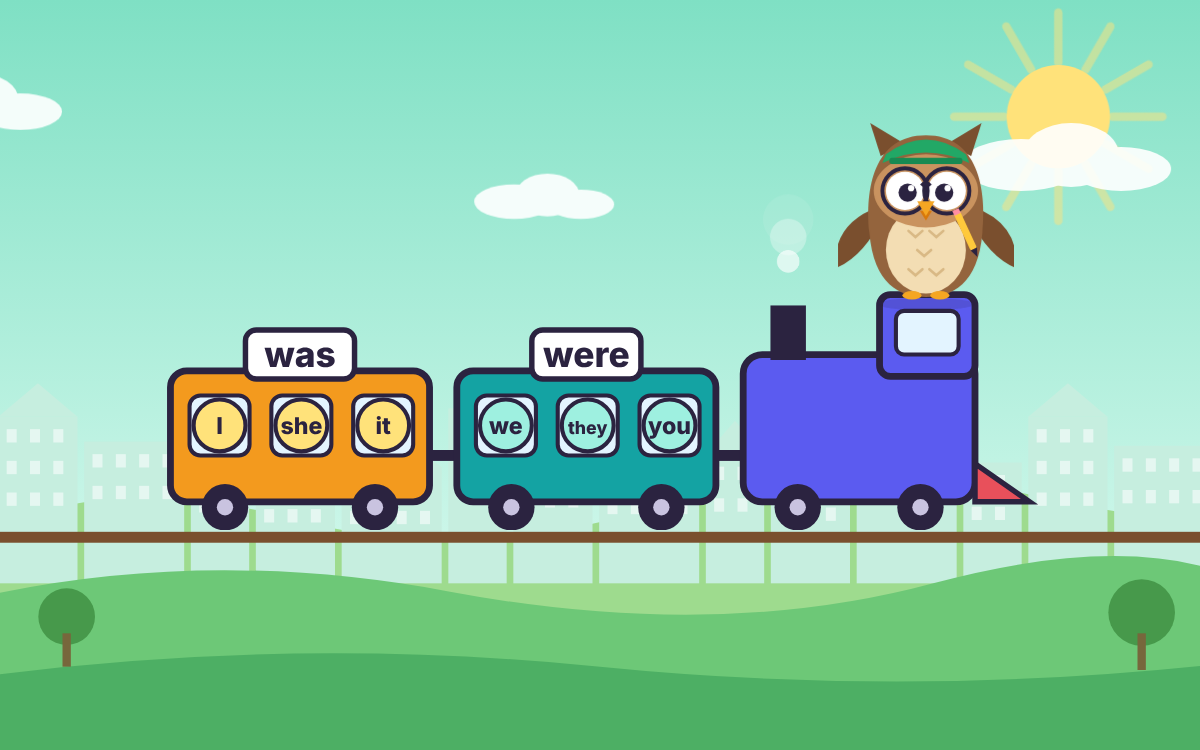
- Use was with one person or thing and were with more
- Why you always takes were, even for one person
- Use did on its own and done with has, have or had
- Apply the same helper rule to saw/seen, went/gone and came/come
- Find and fix non-standard verb forms when editing writing
Chapter by chapter
- What Standard English is and when to use it Free to try
Year 4 english · 1
- Was or were? Matching the verb to who it is about
Year 4 english · 1
- Did or done? Done always needs a helper
Year 4 english · 1
- Saw or seen, went or gone, came or come: more verb pairs
Year 4 english · 1
- Editing writing into Standard English
Year 4 english · 1
- Town Hall Challenge: Standard English verbs quiz (10 questions)
See every English chapter in the chapter library
What the chapters cover in the national curriculum in England:
- Year 4 english: Word: Standard English forms for verb inflections instead of local spoken forms
About this adventure
Standard English Verbs is an interactive game that teaches children aged 7–10 to use Standard English verb forms, such as we were instead of we was and I did instead of I done. It covers the Year 4 grammar objective on verb inflections in the national curriculum for England.
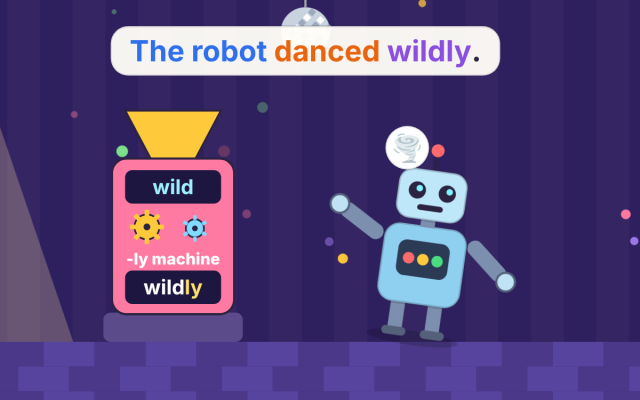
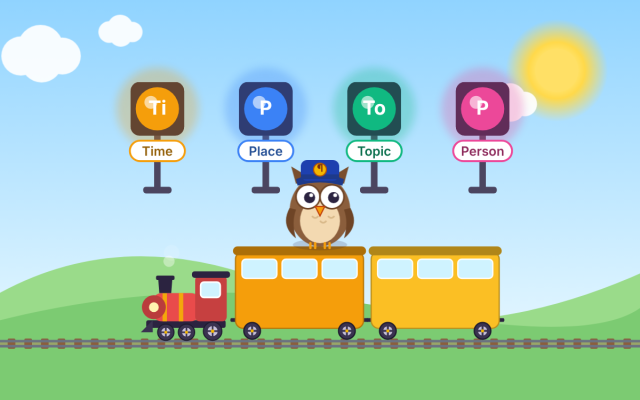
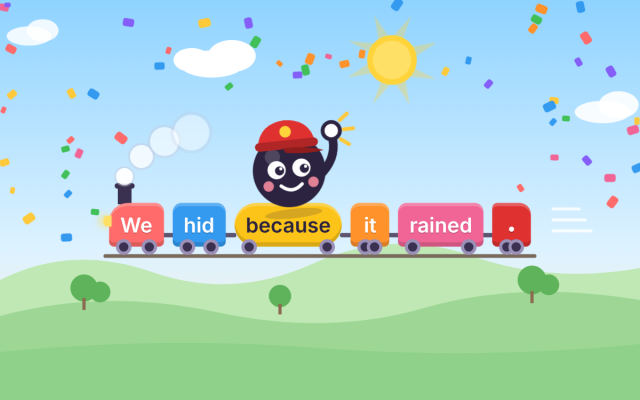
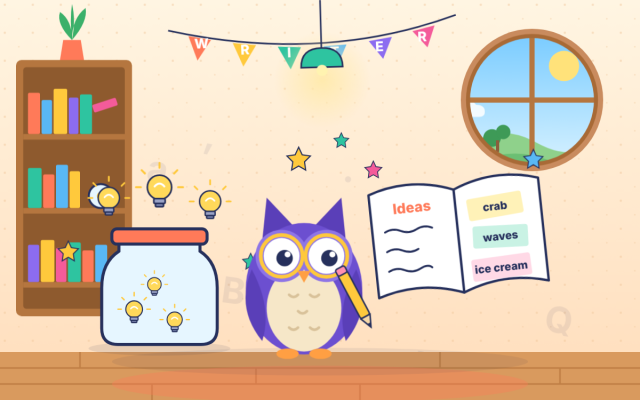
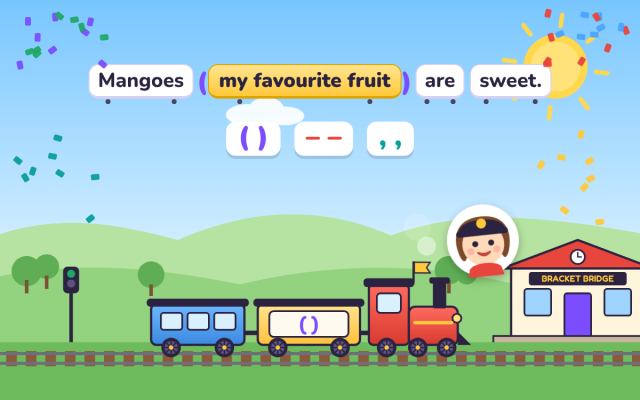
Players help Quill the owl get the Verbton Times newspaper ready. They flip chatty speech bubbles into Standard English, feed words into a machine to discover when to use was or were, and find out that done always needs a helper verb: has, have or had.
Local spoken forms are treated as fine for everyday chat with friends and family, while Standard English is shown as the shared form for writing and formal moments. Animated scenes, voice narration, hints and typed answers build up to editing a real news report.
Questions and answers
What is Standard English, in simple words?
Standard English is the shared form of English used in writing, schoolwork and formal speech, so anyone can understand it. It is about the words and grammar we choose, not accent, so it can be spoken in any accent.
Is it 'we was' or 'we were'?
In Standard English it is 'we were'. Use 'was' with one person or thing, such as I, she or the dog, and 'were' with more than one and with 'you', even when 'you' means just one person.
Should you say 'I did it' or 'I done it'?
In Standard English you say 'I did it' or 'I have done it'. 'Did' stands on its own, but 'done' always needs a helper word: has, have or had. Saw and seen follow the same pattern.
What age is this Standard English game for?
It is made for children aged 7 to 10 and matches the Year 4 grammar objective in the national curriculum for England. Older children who still mix up was, were, did and done can use it for practice too.
What does the game include and how long does it take?
The game has five chapters and a ten-question final challenge, and takes about 35 minutes to play in full. Children tap, sort, match, drag and type answers, with voice narration and hints throughout.
 TapLearn