What you'll learn
- How to gather ideas that fit a topic and jot quick notes
- How to identify the audience and purpose of a piece of writing
- How to plan a beginning, middle and end by boxing up
- How to use time conjunctions like first, next, after that and finally
- Why to say a sentence aloud before writing it down
- How to proofread for errors and improve writing with better words
What's inside
- Catch Your Ideas
- Who Is It For?
- First, Next, Last
- Say It, Write It
- Read It Back
- Writer's Quest (10 questions)
About this adventure
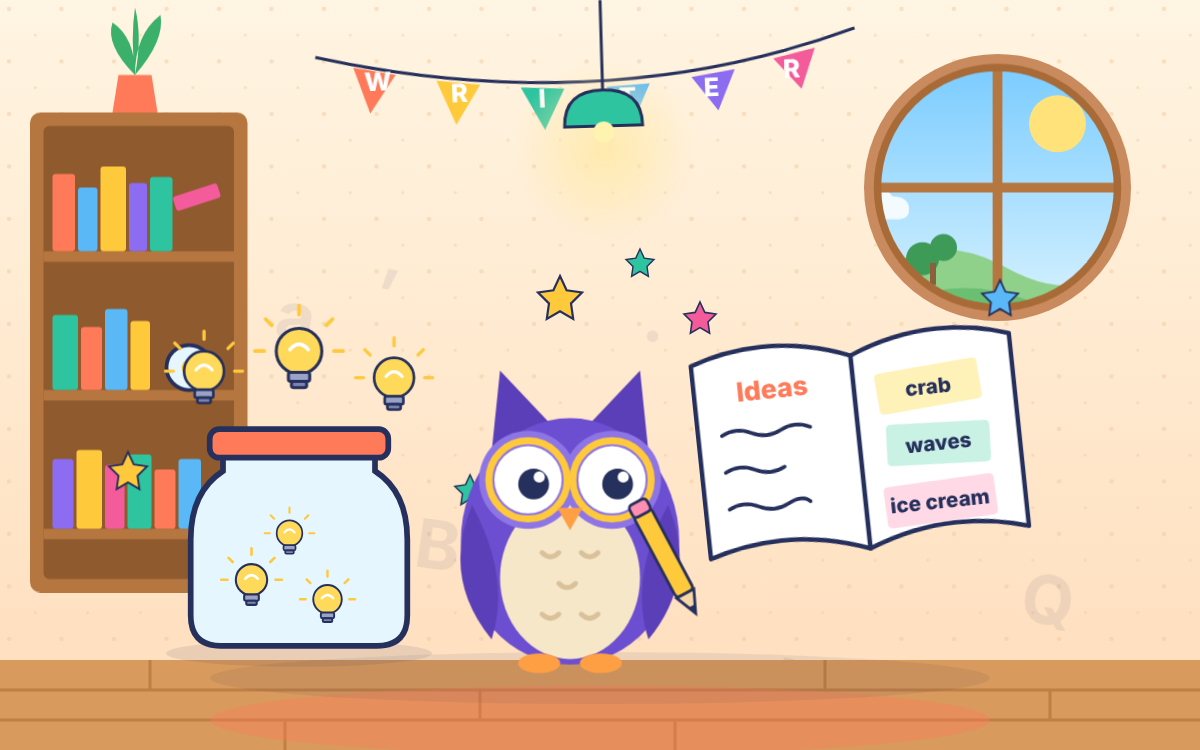
The Writing Process is an interactive game that teaches children aged 7–9 how to plan, write and check a piece of writing, following the Year 3 English curriculum. Guided by Quill the owl, players walk the Writer's Path and build one seaside recount from first idea to finished newsletter article.
Along the way they catch ideas that fit a topic, use question words and the five senses, and turn them into short planning notes. They work out the audience (who the writing is for) and the purpose (why it is written), then box up a plan into a beginning, middle and end with time conjunctions such as first, next and finally.
Players practise oral rehearsal, saying a sentence before writing it, and check capital letters, full stops and past tense. Finally they proofread for mistakes and revise with better words and extra detail.
Questions and answers
What are the steps of the writing process for kids?
The writing process for children has five main steps: gather ideas, think about who the writing is for and why, plan the order, write it, then read it back to check and improve it. Taking one step at a time makes writing feel much easier.
What does audience and purpose mean in writing?
The audience is the person or people who will read the writing, and the purpose is the job it needs to do, such as telling a story, giving facts, explaining how or persuading. Knowing both helps a writer choose the right kind of writing and words.
What is the difference between editing and improving writing?
Editing fixes mistakes such as missing capital letters, full stops, spelling errors and missing words, while improving (revising) makes correct writing better. Writers improve their work by swapping dull words like nice for sharper ones and adding details that help the reader picture it.
What age is this writing game for?
It is written for children aged 7 to 9 and matches the Year 3 English curriculum for writing composition in England. Younger confident writers and older children who need a refresher on planning and checking can also enjoy it.
How long does the game take and what does it include?
Playing everything takes about 30 minutes. There is an optional sentence warm-up, five short chapters with spoken narration and animated introductions, and a ten-question Writer's Quest at the end to check what your child has learned.
More to explore
See all
Writing Paragraphs: Ride the Paragraph Express with Cleo
Learn how writing paragraphs works: group sentences by idea, spot when to start a new one, order them and lin…
Writing Sentences: All Aboard the Sentence Express
Learn the skills of writing sentences that are clear and correct by building word trains, fixing capitals and…
Improve Your Writing: A Story Workshop with Scribble
Learn how to improve your writing with wow words, varied sentence starts, vivid detail and careful checking,…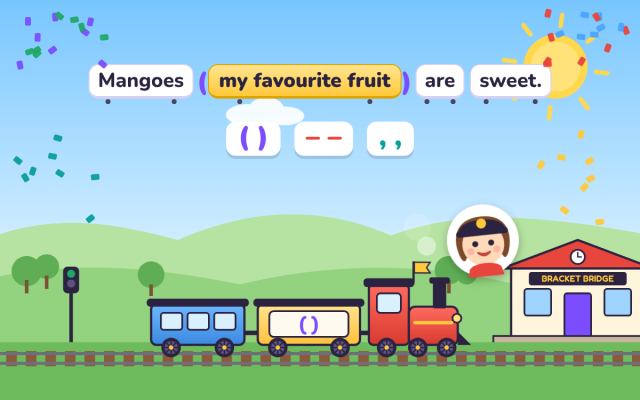
Parenthesis: Brackets, Dashes and Commas on a Word Train
Learn how to use parenthesis with brackets, dashes and commas, then add extra information to sentences by cou…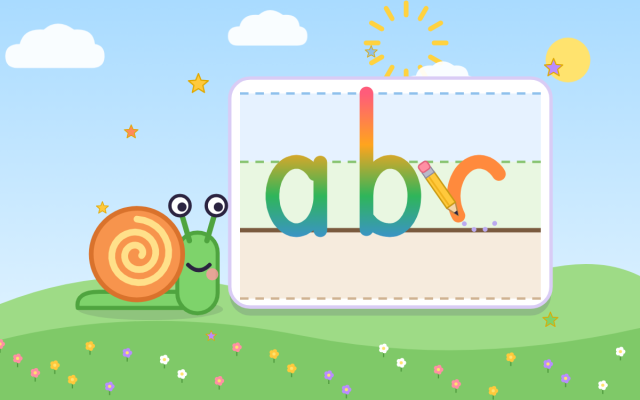
Letter Formation: Trace and Write with Squiggle the Snail
Learn letter formation: where each letter starts and which way to go. Trace, then write lower-case and capita…
Year 1 Handwriting: Trace Letters and Digits with Poppy
Learn Year 1 handwriting: hold a pencil well, start each letter in the right place and form capitals and digi…
Joined Handwriting: Learn the Joins with Loopy the Pencil
Learn joined handwriting with diagonal and horizontal joins, which letters stay unjoined and how to write nea…
 TapLearn