What you'll learn
- Find the who (noun) and the doing word (verb) in a sentence
- Add adjectives before a noun to build an expanded noun phrase
- Use a comma between two adjectives, as in the tiny, purple frog
- Turn adjectives into adverbs with -ly, including happy to happily
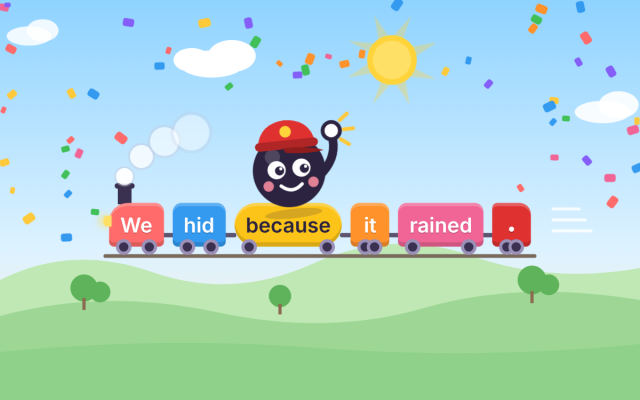
- Add where, when or why using prepositions and the conjunction because
- Read a sentence aloud to check it makes sense and improve it
Chapter by chapter
- Find the who and the doing word in a simple sentence Free to try
Years 3–4 english · 1
- Add adjectives before the noun, with a comma between two
Year 2 english · 2 Year 2 english · 3 Year 2 english · 4
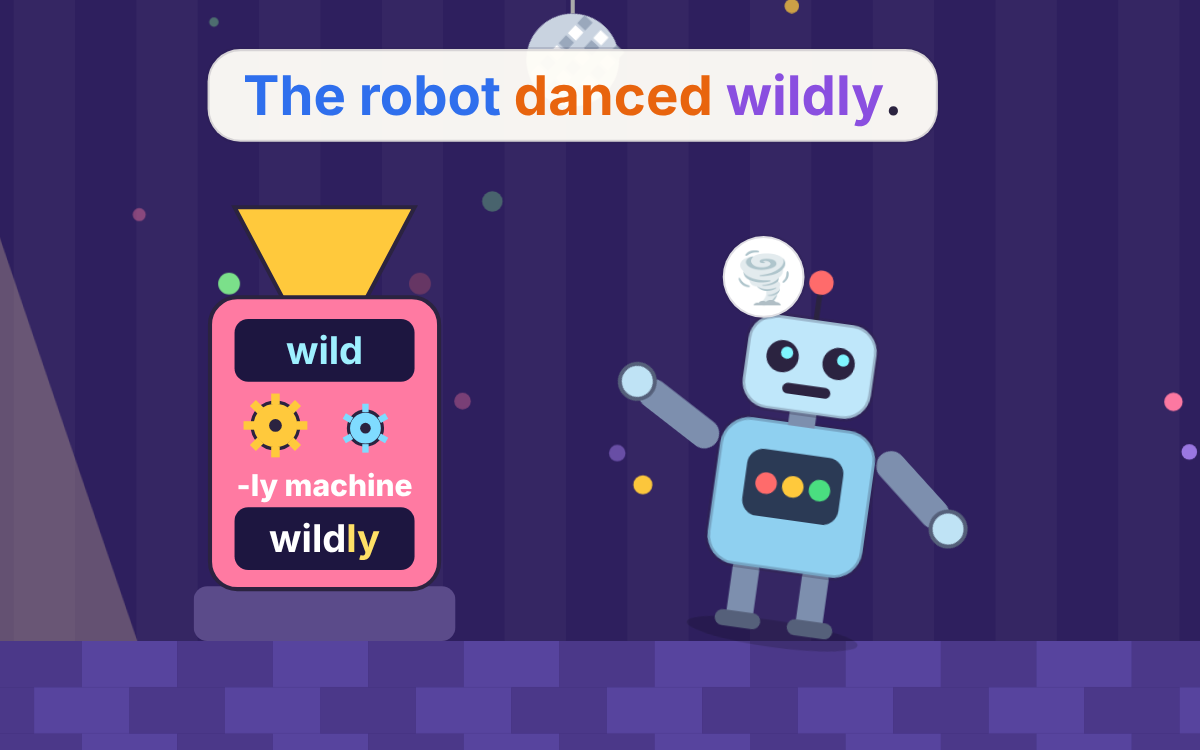
- Add an adverb that says how (adding -ly)
Year 2 english · 4 Years 3–4 english · 1
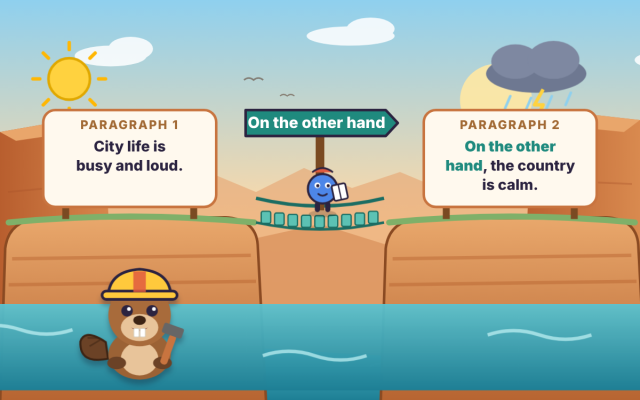
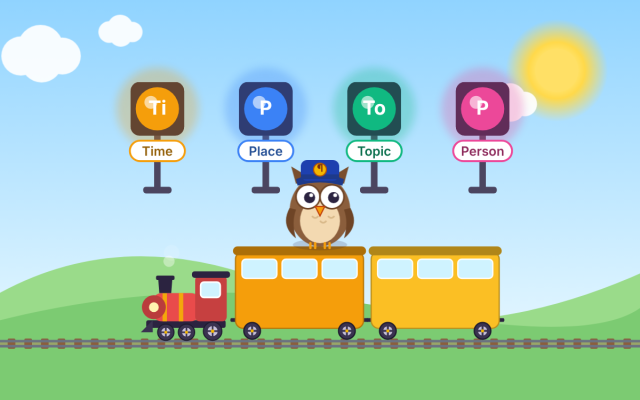
- Add where, when and why with place words, time words and because
Year 3 english · 5 Years 3–4 english · 6
- Check an expanded sentence makes sense and improve it
Years 3–4 english · 7 Years 3–4 english · 1
- Sentence Stretcher challenge: all the skills mixed (10 questions)
See every English chapter in the chapter library
What the chapters cover in the national curriculum in England:
- Years 3–4 english: Draft and write by: composing and rehearsing sentences orally (including dialogue), progressively building a varied and rich vocabulary and an increasing range of sentence structures (English appendix 2)
- Year 2 english: Sentence: expanded noun phrases for description and specification
- Year 2 english: Punctuation: commas to separate items in a list
- Year 2 english: Word: use of the suffixes –er, –est in adjectives and the use of –ly in Standard English to turn adjectives into adverbs
- Year 3 english: Sentence: expressing time, place and cause using conjunctions, adverbs, or prepositions
- Years 3–4 english: Develop their understanding of the concepts set out in English appendix 2 by: using conjunctions, adverbs and prepositions to express time and cause
- Years 3–4 english: Evaluate and edit by: assessing the effectiveness of their own and others' writing and suggesting improvements
About this adventure
Expanding Sentences is an interactive game that teaches children aged 7–9 how to turn a short, simple sentence into a longer, more interesting one. It follows Year 3 of the English national curriculum, with quick recaps of the Year 2 skills it builds on.
Guided by Pip the pencil, players start with a sentence's who (the noun) and doing word (the verb). They add adjectives to make an expanded noun phrase, an adverb that says how, and extra information that says where, when or why, using prepositions such as under or after and the conjunction because. Each word they add changes the picture, so a frog shrinks or the sky turns to night.
Children then act as sentence detectives. They read sentences aloud, spot words that don't make sense and suggest improvements to someone else's writing.
Questions and answers
How do you expand a sentence?
You expand a sentence by adding detail to the who and the doing word. Add adjectives before the noun, an adverb that says how, and extra information that says where, when or why, as in 'The tiny, green frog jumped happily into the pond.'
Where does the comma go when you use two adjectives?
The comma goes between the two adjectives, not before the noun, as in 'the shy, brown mouse'. A handy check is to say 'and' between them: if 'shy and brown' makes sense, the comma fits there.
How do you turn an adjective into an adverb?
Most adjectives become adverbs when you add -ly, so slow becomes slowly and quick becomes quickly. If the adjective ends in y, change the y to i first, so happy becomes happily.
What age is the expanding sentences game for?
It is made for children aged 7 to 9 and follows Year 3 of the English national curriculum. It also includes quick recaps of the Year 2 skills it uses, such as adjectives, commas in lists and -ly words.
What is in the expanding sentences game and how long does it take?
The game has five chapters and a ten-question challenge, and playing everything takes about 40 minutes. Children sort words, place commas, feed words into an -ly machine, fix mistakes in a sentence theatre and type their own stretched sentence.


 TapLearn