Plants and Animals Around Us: Pip the Hedgehog's Garden Walk
Learn to name plants, minibeasts, birds and garden animals, tell plants from animals, then look closely and draw what you see on a garden walk with Pip.
Online game, chapter 1 free · Reception (EYFS) · ages 4–5 · Early Years (EYFS) framework · no adverts · plays on a phone, tablet or computer · no sign-up to start.
An online science game for Reception (EYFS). It covers the national curriculum in England, Reception understanding the world: “Explore the natural world around them, making observations and drawing pictures of animals and plants”.
5 short chapters, about 25 minutes in all. Children can stop after any chapter.
Start playing for free. Plays in the browser on phones, tablets and computers: no app, no adverts.
Free for teachers: every chapter on the whiteboard with a free teacher account.
Last updated · Checked against the national curriculum in England by the TapLearn team
What you'll learn
Trees, grass and flowers are plants; birds and minibeasts are animals
The parts of a plant: roots, stem, leaves and petals
Names of minibeasts and where they live, like worms in soil
How to spot a robin, blackbird, wood pigeon and blue tit
Look closely with a magnifying glass, then draw what you see
Explore gently: put minibeasts back and never eat wild berries
Chapter by chapter
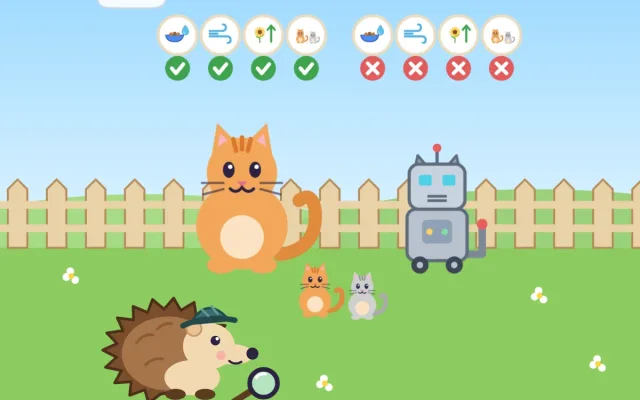
Plant or animal? Telling plants and animals apartStart playing for free
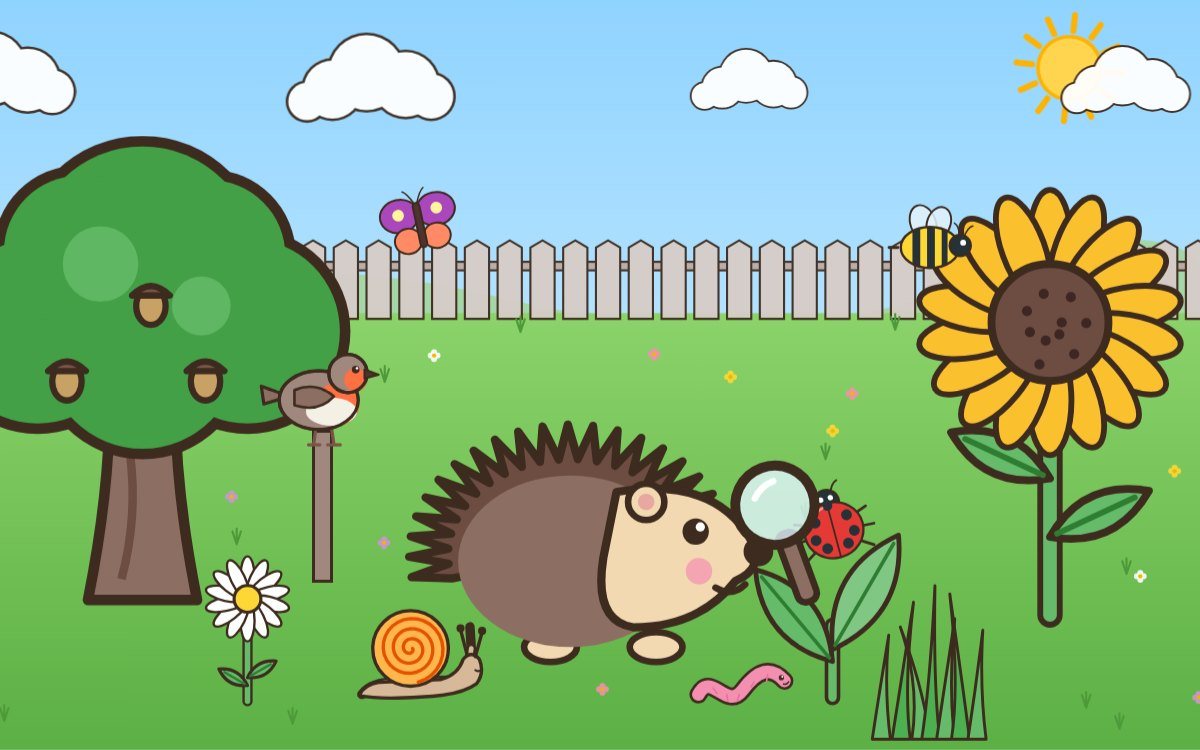
Children tap around a garden to meet an oak tree, daisy, grass, robin, squirrel and worm, water a flower, then sort living things into plants and animals, learning that trees and grass are plants and minibeasts are animals.
Reception understanding the world · 1
Naming plants and their parts: roots, stem, leaves and petals
Children build a flower by finding its roots, stem, leaves and petals, hear what each part does, then meet and pick out a daisy, a dandelion, a sunflower and an oak tree.
Reception understanding the world · 1
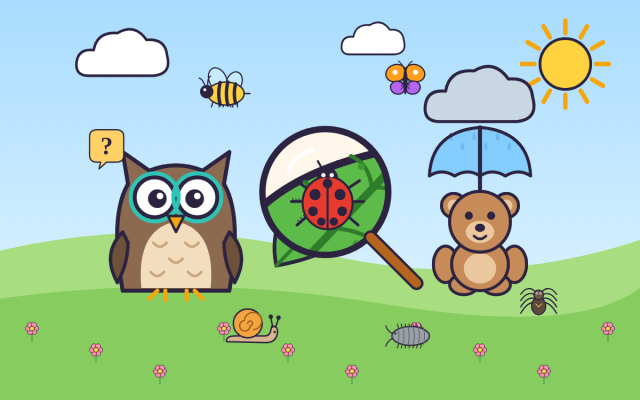
Finding and naming minibeasts and where they live
Children lift a log and a stone and search leaves, flowers and a web to find a woodlouse, worm, snail, ladybird, bee and spider, put their homes back gently, then match each minibeast to where it lives.
Reception understanding the world · 1
Naming birds and animals near home
Children fill a bird table to spot a robin, blackbird, wood pigeon and blue tit, find a squirrel, hedgehog and frog, then name each animal from a spoken clue about how it looks or lives.
Reception understanding the world · 1
Looking closely, drawing what you see and caring for nature
Children use a magnifying glass to count a ladybird's spots and a spider's legs, draw a ladybird by looking carefully, and decide what a kind, safe explorer does, like washing hands and never eating wild berries.
What the chapters cover in the national curriculum in England:
Reception understanding the world: Explore the natural world around them, making observations and drawing pictures of animals and plants
About this adventure
Plants and Animals Around Us is an interactive nature game for children aged 4–5 (Reception) that teaches them to name common plants and animals near home and school, tell plants from animals, and look closely at the natural world. It follows the EYFS Understanding the World goal for the natural world.
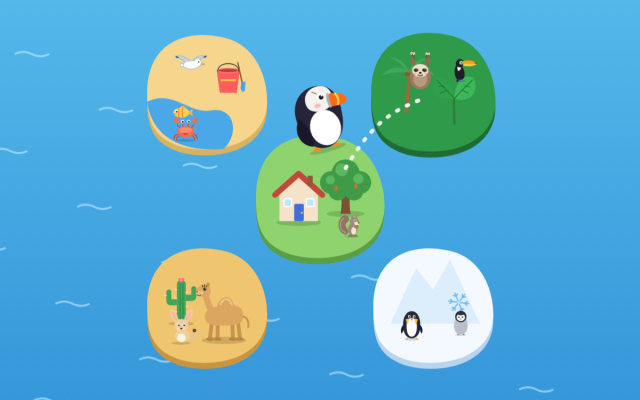
Guided by Pip the hedgehog's friendly voice, children tap around a garden to meet an oak tree, a robin and a worm, water a flower, build a plant from its roots, stem, leaves and petals, and lift a log to find a woodlouse. They fill a bird table to spot a robin, blackbird, wood pigeon and blue tit.
A magnifying glass helps them count a ladybird's spots and a spider's legs before they draw a ladybird themselves. Short spoken instructions mean no reading is needed, and the game ends with an idea to try outside.
Questions and answers
What is a minibeast?
A minibeast is a small animal without a backbone, such as a worm, snail, ladybird, spider, bee or woodlouse. Many minibeasts live in damp, sheltered places like under logs and stones, in soil, among fallen leaves or on flowers.
How can young children tell a plant from an animal?
Plants grow in one place and need water and light, while animals can move about by themselves to find food. Young children often think trees and grass are not plants, or that tiny bugs are not animals, but they are.
What are the parts of a plant for Reception children?
Reception children can learn four simple parts: roots, which grow under the ground and take in water; the stem, which holds the plant up; leaves, which catch sunlight; and petals, the bright, colourful part of a flower.
What age is this nature game for?
This game is made for children aged 4 to 5 in Reception, following the EYFS Understanding the World goal for the natural world. Nursery children who are ready and Year 1 pupils wanting a refresher will also enjoy it.
What does the game include and how long does it take?
The game has five short chapters and an eight-question challenge, taking about 25 minutes altogether. Every instruction is spoken aloud, and children can play the chapters in any order from Pip's garden map.
We count visits to make TapLearn better.We use one cookie, only on this site, to see how families find and use it. No adverts, and nothing is shared.One cookie, only on this site. No adverts.How we measure
 TapLearn