Changing Environments: Rescue the Wildlife of Willow Valley
Learn how changing environments can put living things in danger, then change the seasons, trigger storms and help the wildlife of Willow Valley.
Online game, chapter 1 free · Year 4 (KS2) · ages 7–10 · national curriculum in England · no adverts · plays on a phone, tablet or computer · no sign-up to start.
An online science game for Year 4 (KS2). It covers the national curriculum in England, Year 4 science: “Recognise that environments can change and that this can sometimes pose dangers to living things”.
4 short chapters, about 30 minutes in all. Children can stop after any chapter.
Start playing for free. Plays in the browser on phones, tablets and computers: no app, no adverts.
Free for teachers: every chapter on the whiteboard with a free teacher account.
Last updated · Checked against the national curriculum in England by the TapLearn team
What you'll learn
How seasons change a habitat and how animals hibernate, migrate or store food
How floods, droughts, storms and fires suddenly change a habitat
Why plants can be put in danger, not just animals
How building, pollution and litter take away food, water or shelter
Why grey squirrels brought by people endanger red squirrels
How reforestation, ponds, hedgehog highways and nature reserves help wildlife
Chapter by chapter
How seasons change environmentsStart playing for free
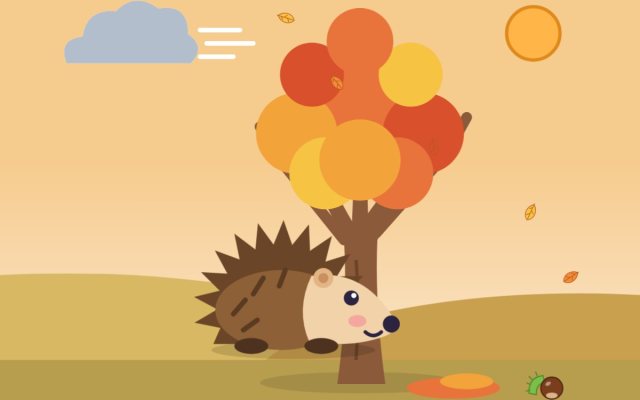
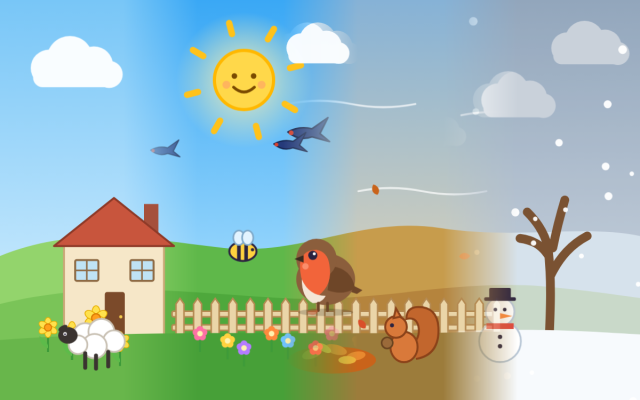
Watch a habitat change through spring, summer, autumn and winter, then find out how animals cope with winter by hibernating, migrating or storing food, and why seasonal changes can still bring danger.
Year 4 science · 1
How floods, droughts, storms and fires change habitats
Set off a flood, drought, storm and fire to see how natural events suddenly change a habitat, which plants and animals are put in danger and which gain, then sort natural changes from human ones.
Year 4 science · 1
How people's changes can put living things in danger
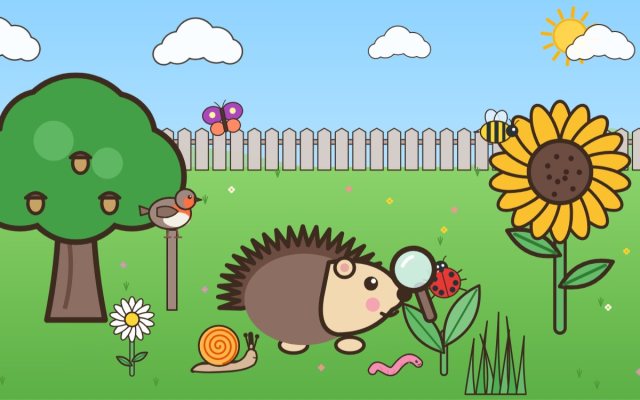
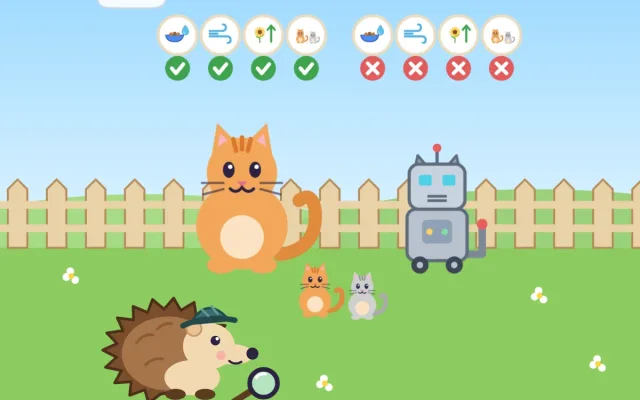
Be a nature detective as houses, a car park, a road, pollution and litter change the valley, working out what food, water or shelter each living thing loses, including how grey squirrels endanger red squirrels.
Year 4 science · 1
How people can help environments and wildlife
Use rescue tools to plant trees (reforestation), dig a pond, make a hedgehog highway, clear litter, stop pollution and create a nature reserve, then decide which human changes are helpful or harmful.
What the chapters cover in the national curriculum in England:
Year 4 science: Recognise that environments can change and that this can sometimes pose dangers to living things
About this adventure
Changing Environments is an interactive science game that teaches children aged 7 to 10 how environments change, naturally or because of people, and how these changes can sometimes put living things in danger.
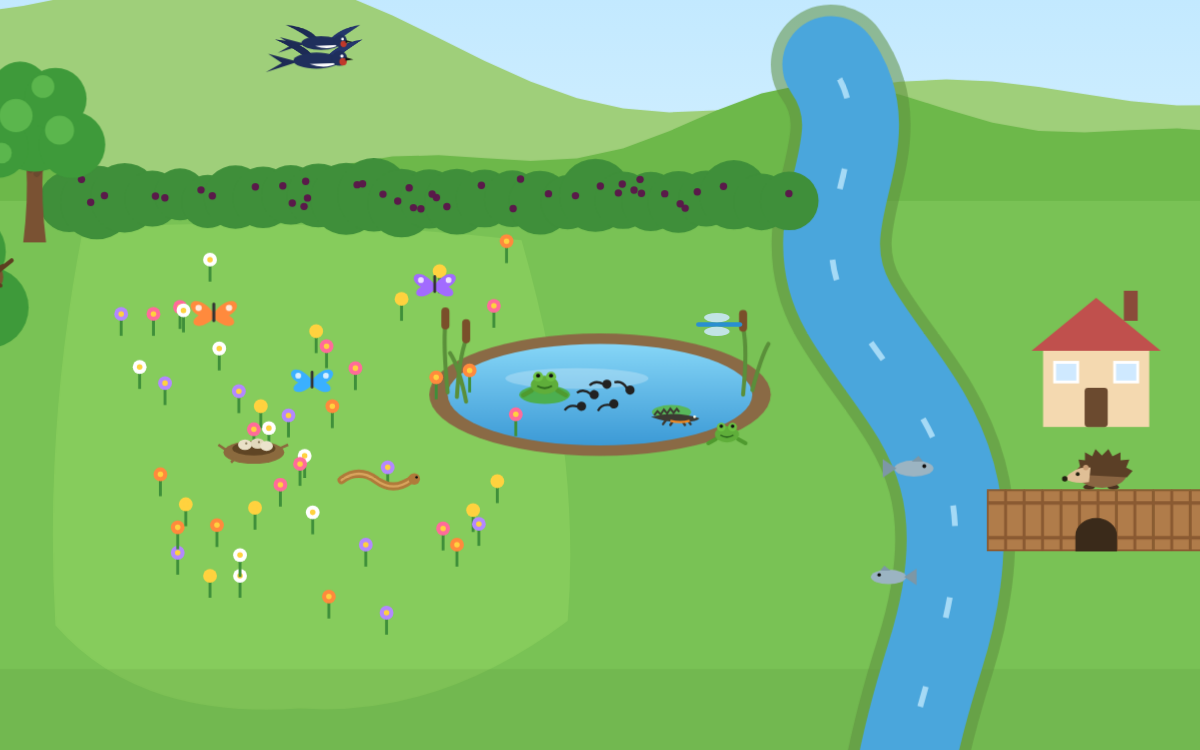
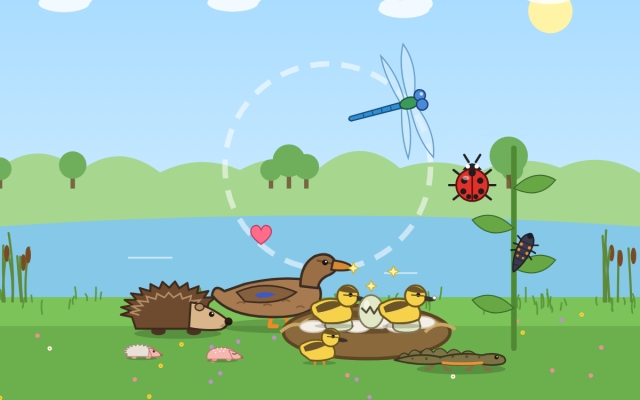
Guided by Robin, players explore a living valley with a wood, meadow, pond, river and village. They switch the seasons to see which animals hibernate, migrate or store food, then set off floods, droughts, storms and fires to spot which plants and animals are at risk, and which ones gain.
Next, players watch the town grow and work out what each living thing loses when habitats are built on, polluted or littered. Finally, they use rescue tools such as reforestation, new ponds, hedgehog highways and nature reserves to show that people's changes can help as well as harm.
Questions and answers
How can environments change, in simple words?
Environments can change naturally, with the seasons or through events like floods, droughts, storms and fires. They also change because of people, for example when houses are built, trees are cut down or rivers are polluted.
Why can a changing environment be dangerous for living things?
A change can take away the food, water or shelter that plants and animals need to survive. Animals cannot always move somewhere else, because there may be nowhere suitable nearby, and plants cannot move at all.
Can people change environments in a good way?
Yes, people can make helpful changes too. Planting trees, digging ponds, picking up litter, making hedgehog highways in fences and creating nature reserves all give living things the food, water and shelter they need.
What age is the Changing Environments game for?
It is made for children aged 7 to 10 and matches Year 4 science in England, where pupils learn to recognise that environments can change and that this can sometimes pose dangers to living things.
What does the game include and how long does it take?
The game has four chapters, an optional refresher on what living things need, and a 10-question Valley Rescue Challenge. Playing everything takes about 30 minutes, and each chapter can also be played on its own.
We count visits to make TapLearn better.We use one cookie, only on this site, to see how families find and use it. No adverts, and nothing is shared.One cookie, only on this site. No adverts.How we measure
 TapLearn