Living, Dead or Never Alive: Life Detectives with Hazel
Learn the difference between things that are living, dead and never alive, as you test, trace and sort everyday things with Hazel the hedgehog.
Online game, chapter 1 free · Year 2 (KS1) · ages 6–7 · national curriculum in England · no adverts · plays on a phone, tablet or computer · no sign-up to start.
An online science game for Year 2 (KS1). It covers the national curriculum in England, Year 2 science: “Explore and compare the differences between things that are living, dead, and things that have never been alive”.
6 short chapters, about 25 minutes in all. Children can stop after any chapter.
Start playing for free. Plays in the browser on phones, tablets and computers: no app, no adverts.
Free for teachers: every chapter on the whiteboard with a free teacher account.
Last updated · Checked against the national curriculum in England by the TapLearn team
What you'll learn
The signs of life: needing food, water and air, growing and having young
Why plants are living even though they don't walk about
Why moving things like cars, clouds and fire are not alive
That dead means once alive, like fallen leaves, feathers and shells
That wood, paper, wool and cotton come from living things
How two questions sort things into living, dead and never alive
Chapter by chapter
Signs of life: what all living things doStart playing for free
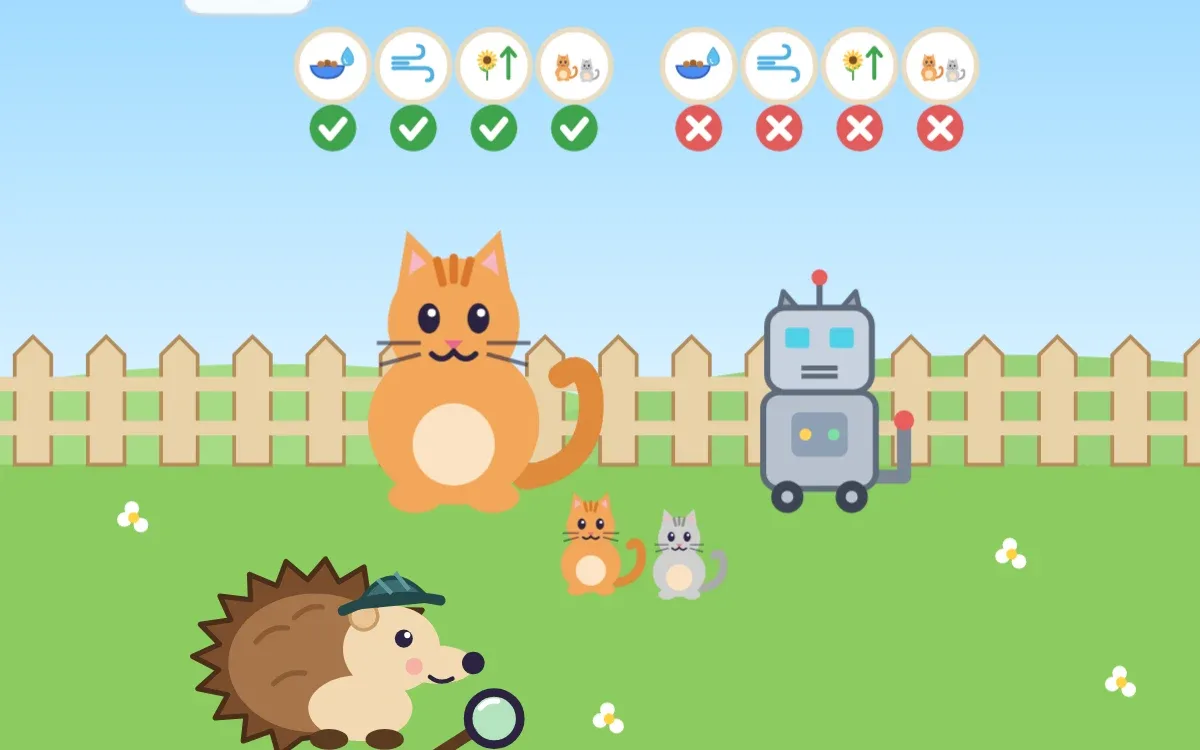
Learn the signs of life, that living things need food, water and air, grow and have young, by testing a real kitten against a robot cat and growing a sunflower.
Year 2 science · 1
Moving isn't enough: why cars, clouds and fire are not alive
Discover why moving is not a sign of life by running a life test on a car, a cloud, a campfire and the sun, then on a tree that never walks anywhere.
Year 2 science · 1
Dead means once alive: fallen leaves, twigs, feathers and shells
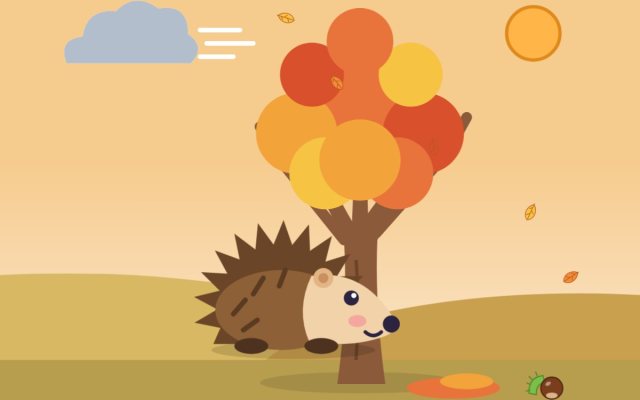
Understand that dead means once alive by shaking a leaf off a tree and watching it dry, then matching a twig, a feather and a shell to the living things they came from.
Year 2 science · 1
Made from living things: wood, paper, wool and cotton
Find out that wooden, paper, woollen and cotton things are dead, not never alive, by turning a tree into a chair and a book, a sheep's wool into a jumper and cotton into a T-shirt.
Year 2 science · 1
Never been alive: rock, metal, glass, plastic and water
Learn that rock, metal, glass, plastic and water have never been alive by tracing each one back in a Rewind Machine, then spotting the never-alive thing in pairs like wooden and metal spoons.
Year 2 science · 1
Sorting things into living, dead and never alive
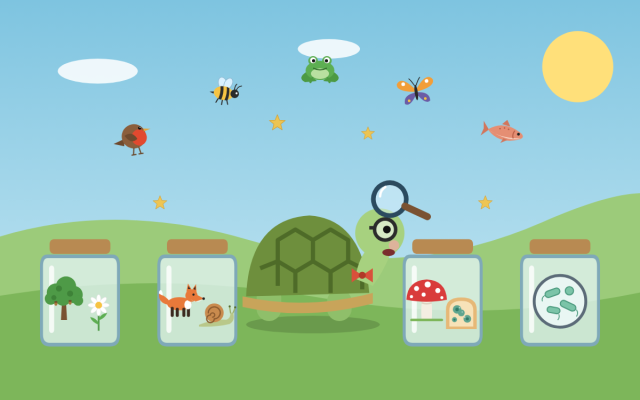
Sort things into living, dead and never alive using two questions, 'Is it alive now?' and 'Was it ever alive?', in a park sort, then tackle tricky cases like seeds and hibernating hedgehogs.
What the chapters cover in the national curriculum in England:
Year 2 science: Explore and compare the differences between things that are living, dead, and things that have never been alive
About this adventure
Living, Dead or Never Alive is an interactive science game that teaches children aged 6–7 how to tell apart things that are living, things that are dead and things that have never been alive, following the Year 2 science curriculum in England.
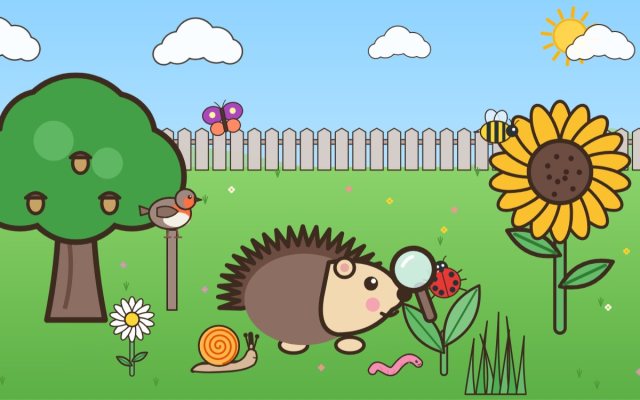
Players solve six cases with Hazel, a hedgehog detective. They run a life test on a real kitten and a robot cat, check whether cars, clouds, fire and the sun are alive, watch a leaf fall and turn brown, and trace wood, paper, wool and cotton back to the trees, sheep and plants they came from. A Rewind Machine shows that rock, metal, glass, plastic and water were never part of anything living.
The key ideas are that living things need food, water and air, grow and have young; that dead means once alive; and that two detective questions, "Is it alive now?" and "Was it ever alive?", sort anything.
Questions and answers
What is the difference between dead and never alive?
Dead things were alive once but are not alive now, like a fallen leaf, a feather or a wooden chair. Never-alive things, such as rock, metal, glass and plastic, were never alive and never came from a plant or animal.
How can you tell if something is living, in simple words?
A living thing needs food, water and air, grows and can have young. Plants are living too: they need water and light, grow and make seeds, even though they don't walk about.
Is fire alive?
No, fire is not alive. It moves and spreads, which can make it look alive, but it does not eat food, grow up or have young, and water puts it out. Fire has never been alive.
What age is this living, dead and never alive game for?
It is made for children aged 6 to 7 in Year 2, where the national curriculum in England asks pupils to compare things that are living, dead and have never been alive. Younger and older children can use it for practice or revision.
What does the game include and how long does it take?
The game has six short chapters, each with an animated introduction, hands-on activities and quick checks, plus a 10-question Life Detective Challenge. Playing everything takes about 25 minutes, and each chapter can be played on its own.
We count visits to make TapLearn better.We use one cookie, only on this site, to see how families find and use it. No adverts, and nothing is shared.One cookie, only on this site. No adverts.How we measure

 TapLearn