Seasons, Melting and Freezing: Bramble's Garden Year
Learn the four seasons in order and how ice, water and chocolate melt and freeze, by changing a hedgehog's garden through the year.
Online game, chapter 1 free · Reception (EYFS) · ages 4–5 · Early Years (EYFS) framework · no adverts · plays on a phone, tablet or computer · no sign-up to start.
An online earth and geography game for Reception (EYFS). It covers the national curriculum in England, Reception understanding the world: “Understand some important processes and changes in the natural world around them, including the seasons and changing states of matter”.
4 short chapters, about 30 minutes in all. Children can stop after any chapter.
Start playing for free. Plays in the browser on phones, tablets and computers: no app, no adverts.
Free for teachers: every chapter on the whiteboard with a free teacher account.
Last updated · Checked against the national curriculum in England by the TapLearn team
What you'll learn
The four seasons and their order: spring, summer, autumn, winter
How trees, animals and clothes change in each season
Why hedgehogs hibernate and swallows fly away in autumn
Ice melts into water when it gets warm
Water freezes into ice when it gets very cold
Melted chocolate goes hard again when it cools
Chapter by chapter
The four seasons and their orderStart playing for free
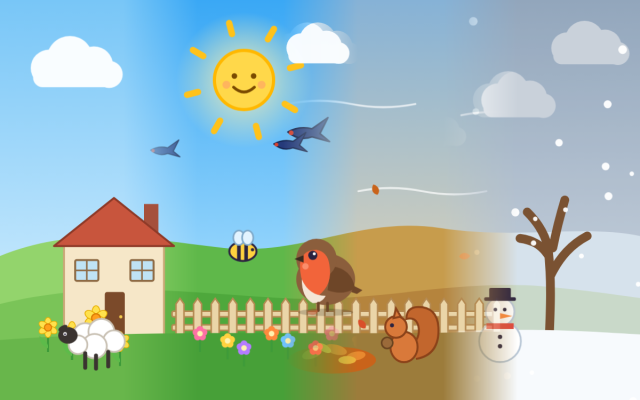
Learn the names of the four seasons and their order by tapping the tree, sun and clouds to change the garden, then build a season wheel that goes round and round.
Reception understanding the world · 1
How nature changes in each season
Learn how plants, animals and people change through the year: tuck Bramble in to hibernate, watch swallows come and go, choose clothes for hot and cold days and sort season clues.
Reception understanding the world · 1
Ice melts and water freezes
Learn that warmth melts ice into water and cold freezes water into ice, by melting an ice cube on a sunny windowsill, freezing water in the freezer and watching a frozen puddle melt.
Reception understanding the world · 1
Warmth melts chocolate, cold makes it hard
Learn that warmth melts chocolate, butter and ice lollies and cold makes them hard again, by melting chocolate, setting it into stars in the fridge and sorting what melts in the sun.
What the chapters cover in the national curriculum in England:
Reception understanding the world: Understand some important processes and changes in the natural world around them, including the seasons and changing states of matter
About this adventure
Seasons, Melting and Freezing is an interactive game that teaches children aged 4 to 5 the four seasons, how nature changes through the year, and how warmth and cold change ice, water and chocolate.
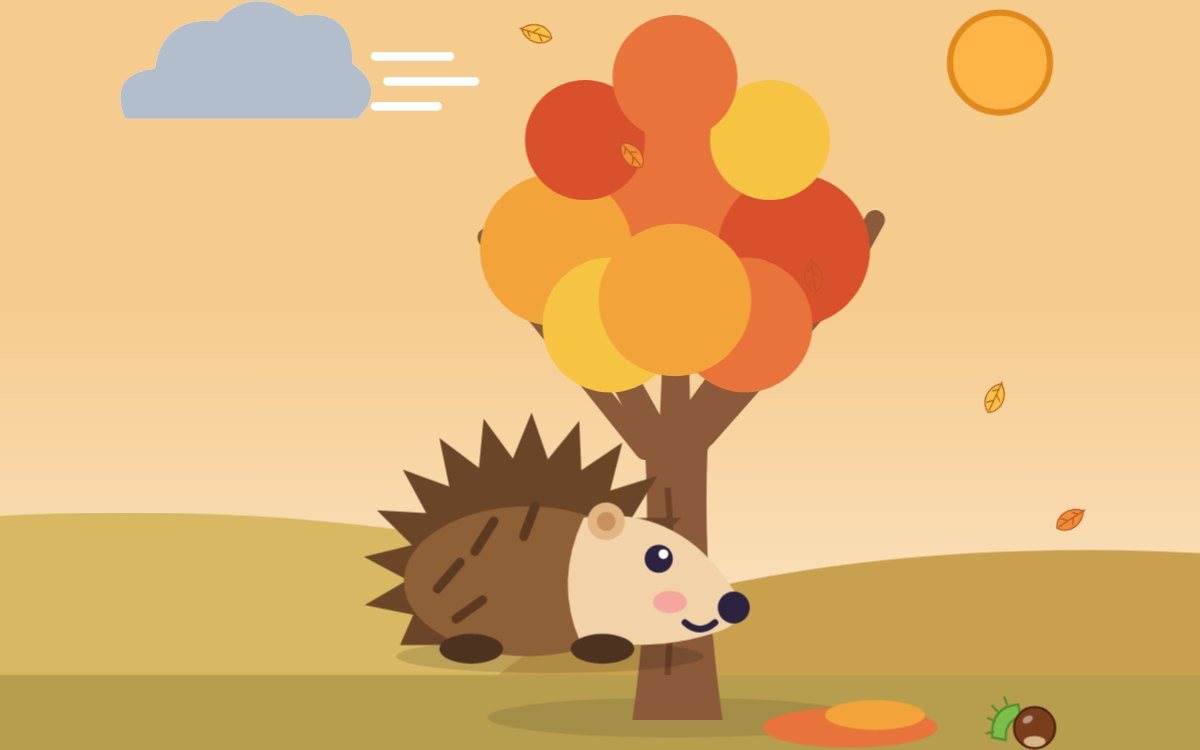
Children tap the sun and clouds to move Bramble the hedgehog's garden from spring to winter, build a season wheel, tuck Bramble in to hibernate and sort season clues such as daffodils, conkers and snowmen. In the kitchen they melt an ice cube on a sunny windowsill, freeze water in the freezer and race two ice cubes to see which melts first.
They then melt chocolate in a warm bowl, set it into stars in the fridge and sort things that melt in the sun from things that stay the same. Every step is read aloud, with short captions and a final eight-question challenge.
Questions and answers
What are the four seasons in order?
The four seasons in order are spring, summer, autumn and winter, and then spring comes round again. In the UK, spring is March to May, summer is June to August, autumn is September to November and winter is December to February.
What happens to ice when it melts?
When ice gets warm, it melts and turns into water. The ice does not disappear: it changes from a hard solid into a runny liquid, and if the water gets very cold again it freezes back into ice.
Why does chocolate melt in your hand?
Chocolate melts because it starts to turn runny at about the same warmth as your body. Your warm hand softens it, and when melted chocolate cools down in the fridge it goes hard again.
What age is this seasons and melting game for?
The game is made for children aged 4 to 5 in Reception, matching the EYFS Understanding the World goal about the seasons and changing states of matter. Younger or older children who are still learning these ideas can enjoy it too.
What is in the game and how long does it take?
The game has four short chapters and a final challenge, and takes about 30 minutes to play from start to finish. Every line is read aloud, so children who are not yet reading can play on their own or with a grown-up.
We count visits to make TapLearn better.We use one cookie, only on this site, to see how families find and use it. No adverts, and nothing is shared.One cookie, only on this site. No adverts.How we measure
 TapLearn