What you'll learn
- Name the five animal groups: fish, amphibians, reptiles, birds and mammals
- Recognise body coverings: fur, feathers, scales and smooth, damp skin
- Name body parts such as fins, gills, wings, beaks and tails
- Use body clues to sort animals into the right group
- Why a whale is a mammal and a penguin is a bird
- Say what is the same and different about two pets
Chapter by chapter
- Five animal groups: naming fish, amphibians, reptiles, birds and mammals
Year 1 science · 1
- Body coverings: fur, feathers, scales and smooth, damp skin
Year 1 science · 2
- Body parts: legs, wings, fins, tails and beaks
Year 1 science · 2
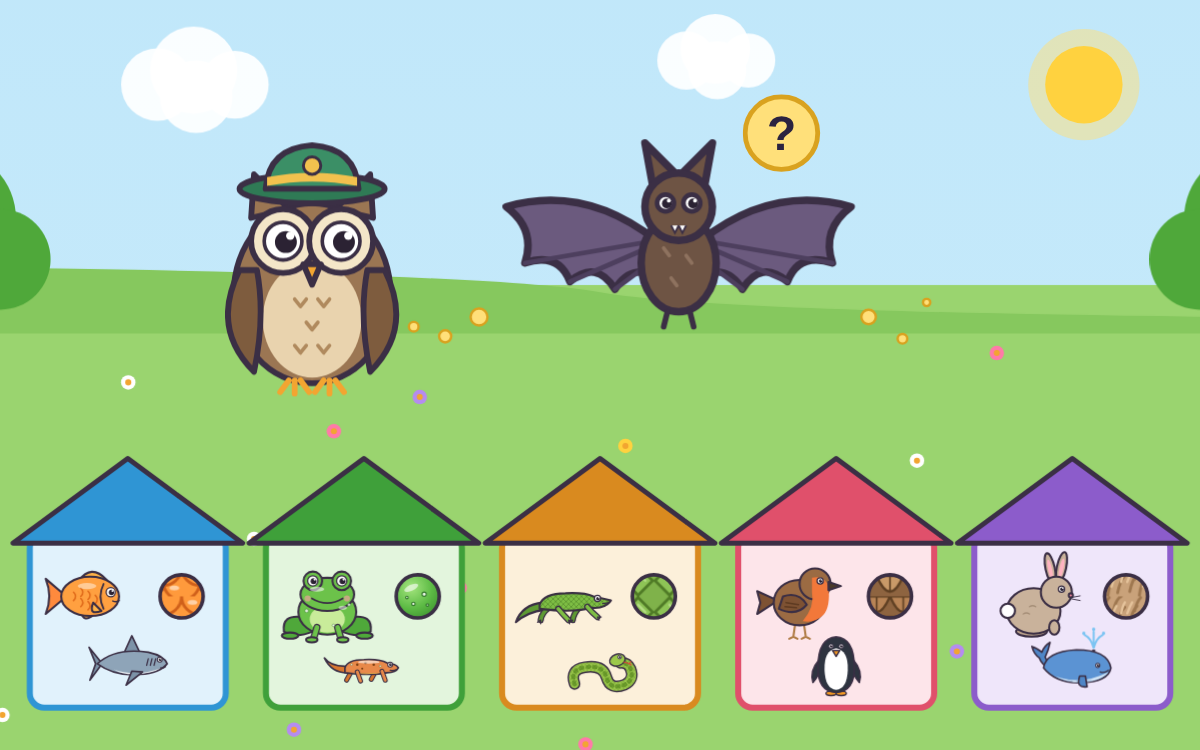
- Sorting animals into fish, amphibians, reptiles, birds and mammals using body clues
Year 1 science · 1 Year 1 science · 2
- Pets: naming pets and comparing how their bodies are built
Year 1 science · 2 Year 1 science · 1
- Animal Explorer Challenge (10 questions)
What the chapters cover in the national curriculum in England:
- Year 1 science: Identify and name a variety of common animals including fish, amphibians, reptiles, birds and mammals
- Year 1 science: Describe and compare the structure of a variety of common animals (fish, amphibians, reptiles, birds and mammals including pets)
About this adventure
Animal Groups is an interactive science game that teaches children aged 5 to 7 to name common animals, sort them into fish, amphibians, reptiles, birds and mammals, and compare how their bodies are built. It follows the Year 1 science curriculum in England.
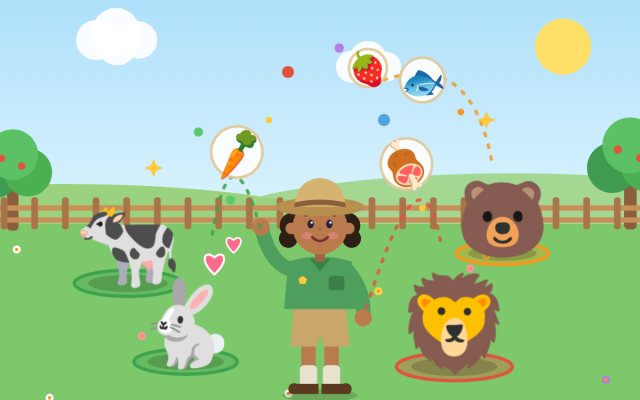
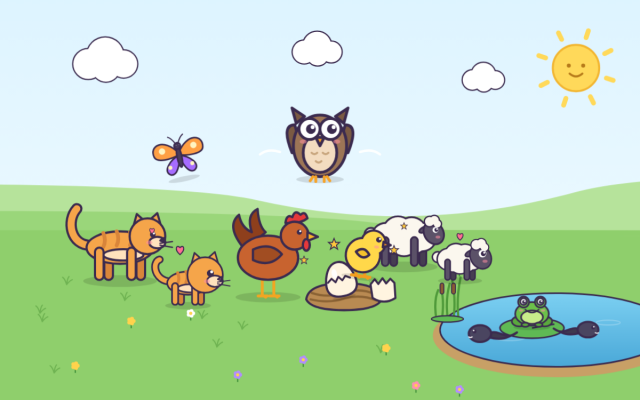
Hazel the park ranger owl reads every instruction aloud as children explore Wildwood Park. They open five gates to meet the groups, look through a magnifying glass at fur, feathers, scales and smooth, damp skin, tap a duck's beak and a goldfish's gills, and count legs. Then they drag animals into five homes using body clues.
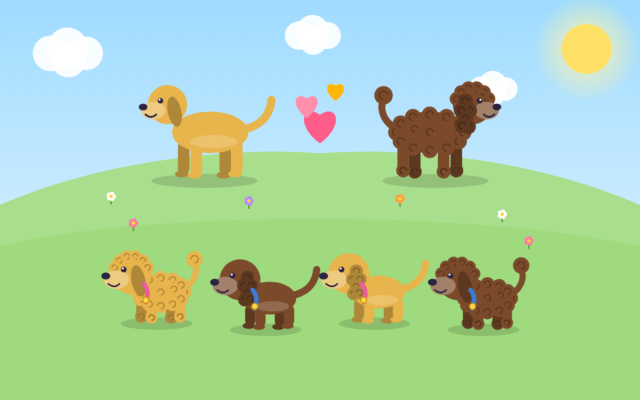
Tricky animals help clear up common mix-ups: a whale is a mammal, not a fish, and a bat has fur, not feathers. Children also compare pets, such as a dog and a budgie, saying what is the same and what is different.
Questions and answers
What are the five animal groups?
The five animal groups children learn in Year 1 are fish, amphibians, reptiles, birds and mammals. Each group shares body clues: fish have fins and gills, amphibians have smooth, damp skin, reptiles have dry scales, birds have feathers and mammals have fur or hair.
What is the difference between amphibians and reptiles?
Amphibians, such as frogs and newts, have smooth, damp skin with no scales and live on land and in water. Reptiles, such as lizards, snakes and tortoises, have dry, scaly skin. Children often mix them up, so the game gives a hint each time.
Is a whale a fish or a mammal?
A whale is a mammal, not a fish. It breathes air through a blowhole rather than gills, and its tail moves up and down instead of side to side. In the game, children sort the whale into the mammal home and hear why.
What age is this animal groups game for?
The game is made for children aged 5 to 7 and matches the Year 1 science curriculum in England. Every instruction is read aloud, so children who are still learning to read can play on their own.
What does the game include and how long does it take?
The game has five chapters, an optional warm-up and a 10-question Explorer Challenge, taking about 40 minutes in total. Children can start any chapter from the park map and earn a sticker for each one they finish.
 TapLearn