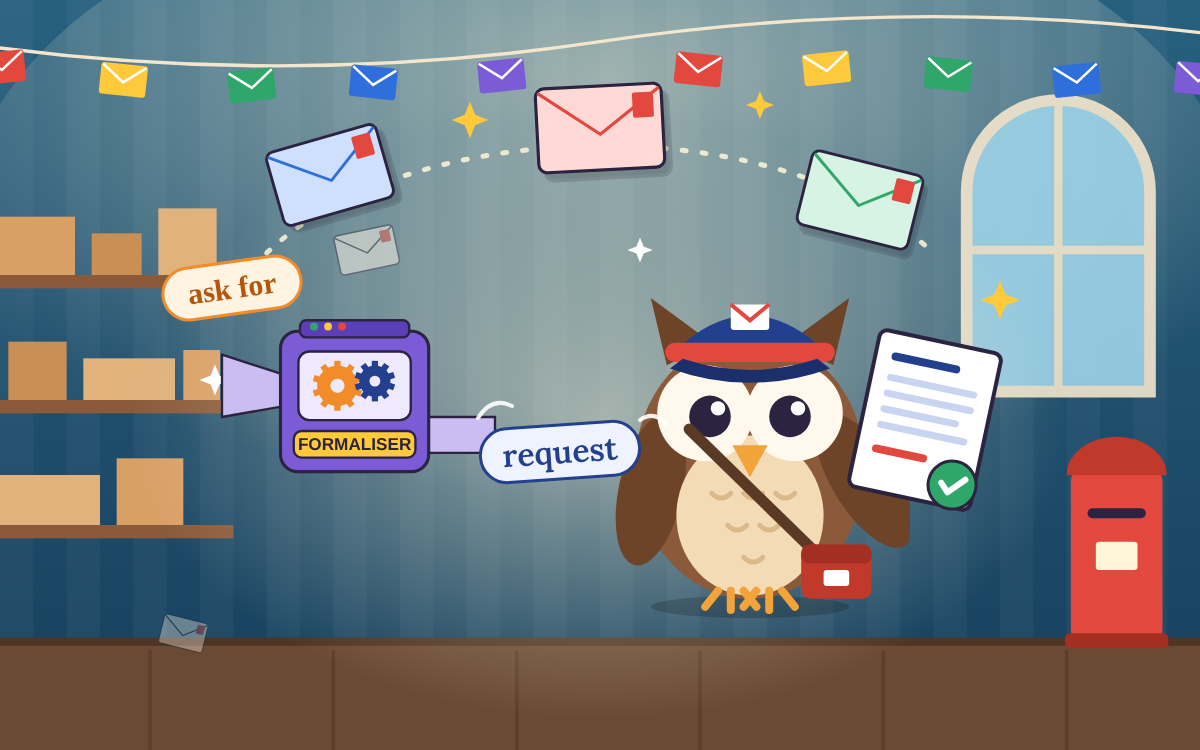
What you'll learn
- How audience and purpose decide a formal or informal tone
- Formal swaps like ask for → request and find out → discover
- Spotting question tags, slang and filler words in formal writing
- Making subjects and verbs agree, such as we were, not we was
- Using subjunctive forms like If I were and I request that he be
- When to sign off Yours sincerely or Yours faithfully
Chapter by chapter
- Audience and purpose: choosing a formal or informal tone Free to try
Years 5–6 english · 1
- Formal vocabulary: ask for → request, find out → discover
Years 5–6 english · 2 Years 5–6 english · 3
- Speech or writing? Question tags, slang and filler words
Years 5–6 english · 3 Years 5–6 english · 2
- Subject and verb agreement: singular and plural
Years 5–6 english · 3
- The subjunctive: If I were… and I request that…
Years 5–6 english · 2
- Setting out formal letters and emails: Dear… to Yours sincerely
Years 5–6 english · 1
- Writing letters of request, complaint and thanks
Years 5–6 english · 1 Years 5–6 english · 3 Years 5–6 english · 2
- Final challenge: the Register Rally (10 questions)
What the chapters cover in the national curriculum in England:
- Years 5–6 english: Plan their writing by: identifying the audience for and purpose of the writing, selecting the appropriate form and using other similar writing as models for their own
- Years 5–6 english: Develop their understanding of the concepts set out in English appendix 2 by: recognising vocabulary and structures that are appropriate for formal speech and writing, including subjunctive forms
- Years 5–6 english: Evaluate and edit by: ensuring correct subject and verb agreement when using singular and plural, distinguishing between the language of speech and writing and choosing the appropriate register
About this adventure
Formal Letter Writing is an interactive game that teaches children aged 9–11 how to choose a formal or informal tone for their reader and write letters of request, complaint and thanks in the right register. It follows the Years 5–6 English curriculum in England.
In Register Road Post Office, Quill the owl postmaster guides players through short, hands-on tasks. They swing a tone dial between a best friend and the Mayor, feed chatty words into a machine that turns them formal, and balance a see-saw so the subject and verb agree. They also tap mistakes in draft letters, build letters and emails in the right order, and type their own answers.
Along the way they meet question tags, slang, full forms such as "I am", and the subjunctive ("If I were…"). Every chapter opens and closes with a short animation, and a 10-question final challenge checks what they remember.
Questions and answers
What is the difference between formal and informal writing?
Formal writing uses careful, polite language for readers you don't know well or for official purposes, while informal writing is chatty and relaxed for friends and family. Formal writing avoids slang, question tags and short forms like "I'm", using full forms like "I am" instead.
When do you use Yours sincerely or Yours faithfully?
Use "Yours sincerely" when you know the reader's name, such as "Dear Mrs Shah", and "Yours faithfully" when you begin "Dear Sir or Madam". A handy trick for children is that Sir and Sincerely never go together.
What is the subjunctive in Year 6 English?
The subjunctive is a verb form used in very formal writing and speech, such as "If I were you" or "Were they to come". It also appears after phrases like "I request that", where the verb stays plain: "It is essential that every pupil bring a coat."
What age is this formal letter writing game for?
The game is designed for children aged 9 to 11, in Years 5 and 6 of primary school in England. It matches the Key Stage 2 English objectives on planning for audience and purpose, editing for register and recognising formal vocabulary and structures.
What does the formal letter writing game include, and how long does it take?
The game has seven chapters and a 10-question final challenge, taking about 50 minutes to play everything. Chapters can be played in any order, with narrated guidance, hands-on tasks and typed answers along the way.
More to explore
See all
Parenthesis: Brackets, Dashes and Commas on a Word Train
Learn how to use parenthesis with brackets, dashes and commas, then add extra information to sentences by cou…
Letter Formation: Trace and Write with Squiggle the Snail
Learn letter formation: where each letter starts and which way to go. Trace, then write lower-case and capita…
Year 1 Handwriting: Trace Letters and Digits with Poppy
Learn Year 1 handwriting: hold a pencil well, start each letter in the right place and form capitals and digi…
Joined Handwriting: Learn the Joins with Loopy the Pencil
Learn joined handwriting with diagonal and horizontal joins, which letters stay unjoined and how to write nea…
Figurative Language: Paint Word Pictures with Quill
Learn figurative language: spot similes, metaphors and personification, then explain their effect on the read…
Perfect Tense: Solve Time Cases with Tock the Owl
Learn the perfect tense, from has finished to had seen, and use it to show time, cause and links between para…
Determiners for Year 4: Ride the Determiner Express
Learn what determiners are, from a, an and the to my, some and every, by building word trains and spotting de…
 TapLearn