What you'll learn
- The difference between literal and figurative language
- How a simile compares two different things using like or as
- How a metaphor says one thing is another, without like or as
- How personification gives objects human actions or feelings
- How to explain what a word picture makes the reader see and feel
- How to judge which figurative language works best in a story
Chapter by chapter
- Literal and figurative language: what words really mean
Years 5–6 english · 1
- Similes: comparing two things with like or as
Years 5–6 english · 1
- Metaphors: saying one thing is another
Years 5–6 english · 1
- Personification: giving things human actions and feelings
Years 5–6 english · 1
- Effect on the reader: how figurative language makes us see and feel
Years 5–6 english · 1
- Discussing and evaluating figurative language in a story
Years 5–6 english · 1
- Gallery Challenge: figurative language quiz (12 questions)
What the chapters cover in the national curriculum in England:
- Years 5–6 english: Discuss and evaluate how authors use language, including figurative language, considering the impact on the reader
About this adventure
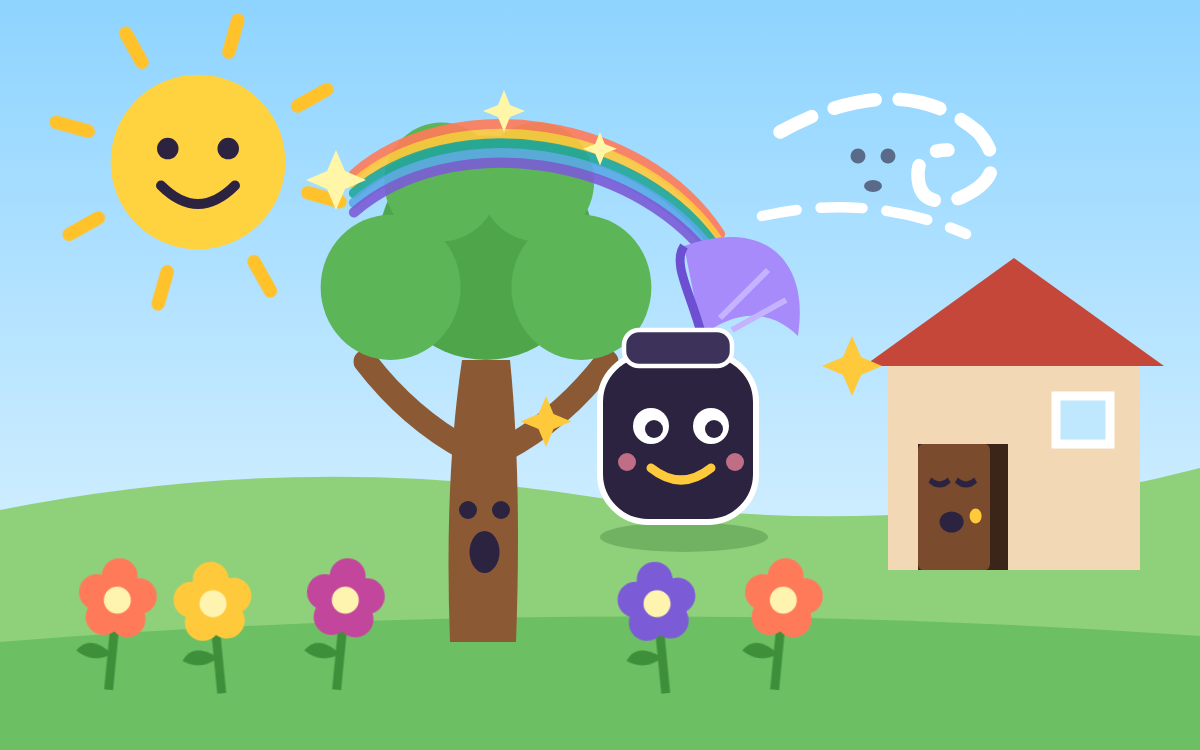
Figurative Language: Paint Word Pictures with Quill is an interactive game that teaches children aged 9–11 to spot similes, metaphors and personification and explain the effect they have on the reader.
Guided by Quill, a friendly ink pot, players explore a gallery where every sentence changes the picture in a frame. They see what a literal brain would imagine, build similes that compare two things using like or as, zap the word like to turn a simile into a metaphor, and wake up a garden by giving it human actions.
Later rooms practise the skill children find hardest: explaining effect. Players name a technique, say what it really means and describe how it makes the reader feel, then judge which word pictures work best in a short stormy story, with typed answers and a 12-question challenge at the end.
Questions and answers
What is the difference between a simile and a metaphor?
A simile compares two different things using like or as, such as "the kitten was as soft as a cloud". A metaphor says one thing is another, such as "the classroom was a zoo", which makes the comparison sound stronger and more certain.
What is personification, in simple words?
Personification is when a writer gives an object, animal or idea human actions or feelings, such as "the old door groaned". It helps readers picture the scene and feel a mood, because only people really groan, smile or whisper.
How do you explain the effect of figurative language on the reader?
Explain the effect in three steps: name the technique, say what it really means, then say how it makes the reader feel. For example, "the storm was an angry giant" is a metaphor showing a huge, powerful storm that makes the reader feel scared.
What age is this figurative language game for?
The game is designed for children aged 9 to 11, matching Years 5 and 6 of the national curriculum in England. Younger readers who already know similes can enjoy it with an adult reading along.
What does the game include and how long does it take?
It includes six chapters, an optional nouns and verbs warm-up and a 12-question final challenge. Playing everything takes about 45 minutes, and children can start any chapter from the gallery map and come back later.
 TapLearn