Why word problems are harder
A word problem asks a child to read, understand the situation, choose what to do and then calculate. Children often grab the numbers and add them, or look for a "key word" like "altogether" that sometimes points the wrong way. The aim is understanding the story, not spotting words.
In the Year 6 SATs, two of the three maths papers are reasoning papers, full of problems in words, so this skill matters well beyond Year 1.
A simple routine
- Read it twice. Once for the story, once for the question. What are they actually asking?
- Picture it. Draw it, act it out with toys, or use a bar model (below).
- Decide. Are we putting together, taking away, sharing, or making groups?
- Estimate, then calculate. "About how many?" stops wild answers.
- Check it makes sense. Read the answer back into the story. Can a bus really carry 3,000 children?
Bar models
Many schools teach bar models: rectangles that show the parts and the whole. "Sam has 12 stickers and gives 5 away" is a bar of 12 with 5 cut off; the other part is what's left. Once a child can draw the bar, choosing the calculation becomes much easier. Ask your child to show you how their class draws them.
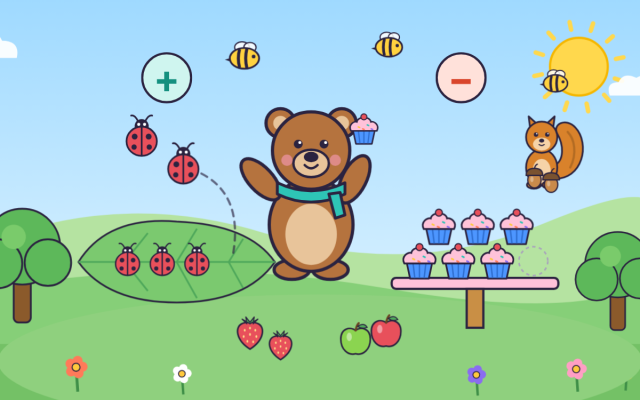
Addition and Subtraction Word Problems: A Story Park Trip
Learn to solve addition and subtraction word problems by acting out stories with ladybirds, cupcakes and bees…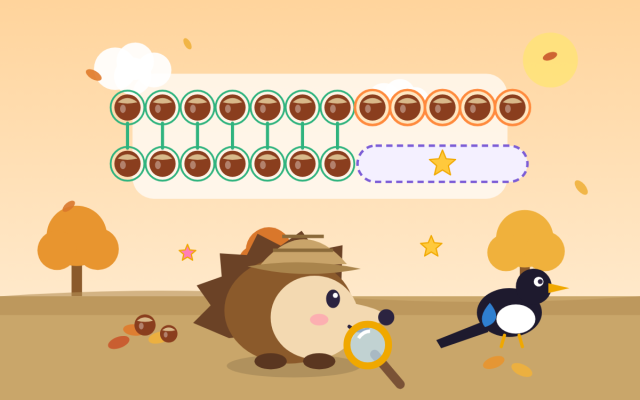
Addition and Subtraction Word Problems: Crack the Case
Learn to solve addition and subtraction word problems by tapping number clues, building bar models and checki…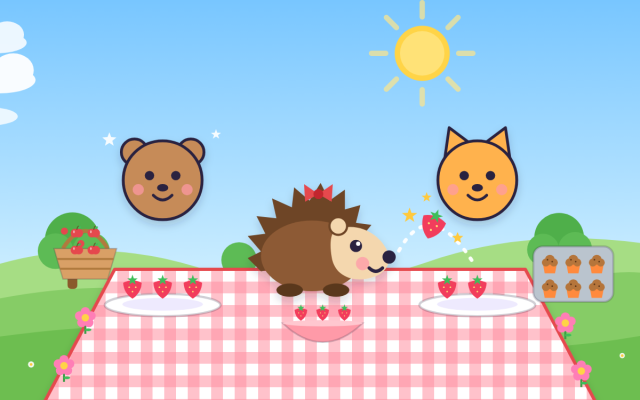
Grouping and Sharing Word Problems: A Hedgehog Picnic
Learn to solve grouping and sharing word problems with equal groups, fair shares and arrays, by building each…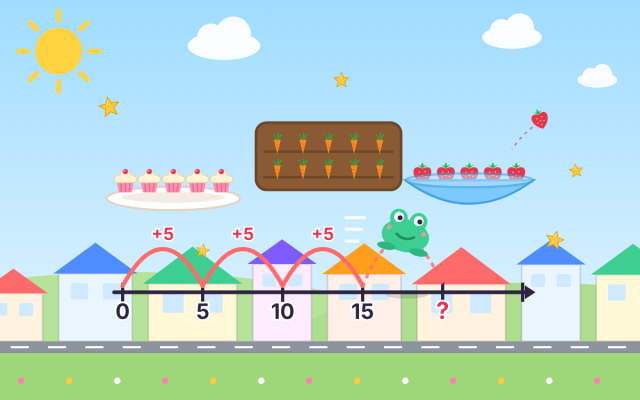
Multiplication and Division Word Problems in Times Town
Learn to solve multiplication and division word problems with equal groups, arrays and sharing, by filling pl…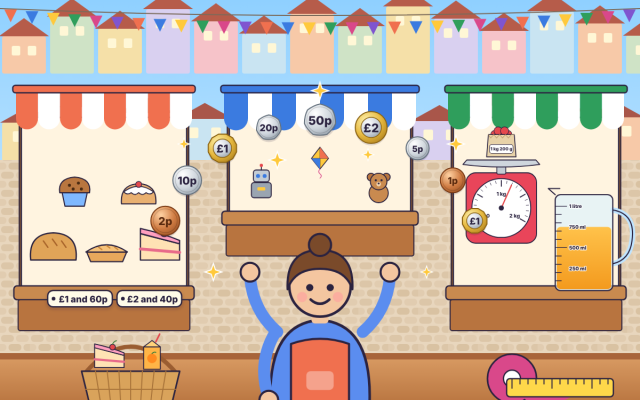
Money and Measures Word Problems: A Market Day Adventure
Learn to solve money and measures word problems: add prices, give change in £ and p, and add and subtract len…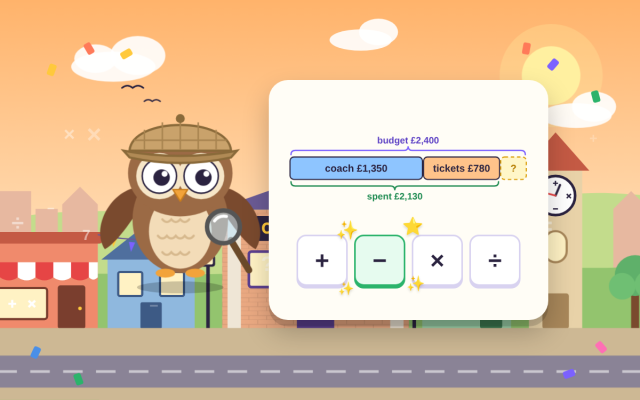
Multi-Step Word Problems: Crack Cases as a Maths Detective
Learn to solve multi-step word problems with all four operations by cracking detective cases, drawing bar mod…Ideas for home
- Make up problems from real life: "We need 3 eggs for each cake and we're making 4 cakes. How many eggs?"
- Let your child make up a problem for you, and get it wrong on purpose so they can explain.
- Shopping: "We have £5. Can we buy both?" "How much change?"
- Ask "How did you know?" rather than "Is it right?" Explaining is what reasoning means.
- Multi-step problems: for Years 5 and 6, break them into small questions. "What do we need to find out first?"
- Chapter 3 of Multi-Step Word Problems: Crack Cases as a Maths DetectiveMultiplication and division word problems, including remaindersCan decide which operation each step of a word problem needs, and explain whyMembers
- Chapter 5 of Multiplication and Division Word Problems: Juno's SafariChoose times or divide for a word problem and check the answerCan choose whether to multiply or divide to solve a word problem, and check the answer with the inverseMembers
- Chapter 5 of Money and Measures Word Problems: A Market Day AdventureSolve money and measure word problems: add or subtract?Can choose whether to add or subtract to solve money and measuring problems, including finding a total and then the changeMembers
- Chapter 5 of Multiplying Fractions by Whole Numbers: A Fraction FairSolving word problems by multiplying fractions and mixed numbers by whole numbersCan solve word problems by multiplying fractions and mixed numbers by whole numbersMembers
 TapLearn