Start with the teacher
Year 6 teachers plan for SATs all year, and they know exactly where your child is. Before you buy a revision book, ask the teacher two questions: what is going well? and what one or two things would help most at home? That way your help fits with what the school is doing, and your child doesn't get two different methods for the same sum.
If you know the dates and what each test covers, you can explain things calmly when your child asks. Our guide to the 2027 SATs sets out the week day by day.
Little and often beats long sessions
- Keep it short. About ten minutes a few times a week is plenty for most children. Stop while it's still going well.
- Work on gaps, not on everything. Practising what your child already knows feels nice but changes little. A few tricky skills, practised regularly, help more.
- Come back to things. A skill practised today, again next week and again a few weeks later sticks much better than one crammed in an evening.
- Mix it up. A few times tables in the car, a spelling while setting the table, a fraction while sharing a pizza. Not everything needs a worksheet.
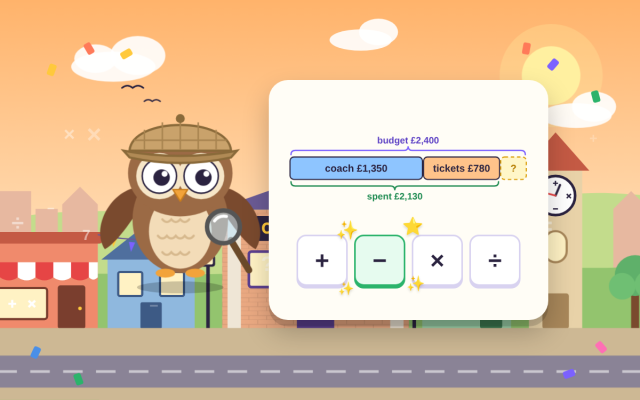
Multi-Step Word Problems: Crack Cases as a Maths Detective
Learn to solve multi-step word problems with all four operations by cracking detective cases, drawing bar mod…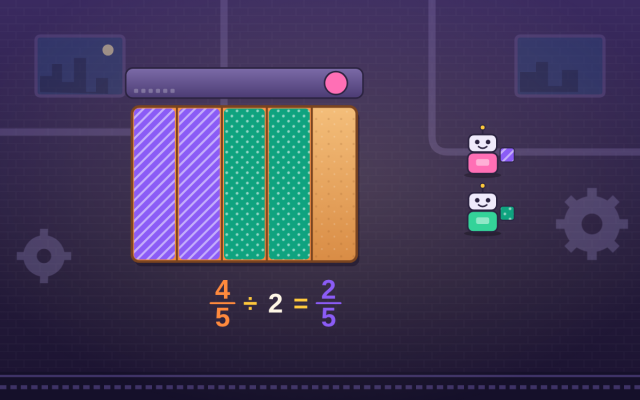
Multiplying and Dividing Fractions: A Fudge Factory Game
Learn multiplying and dividing fractions and how to turn fractions into decimals, by cutting, sharing and sim…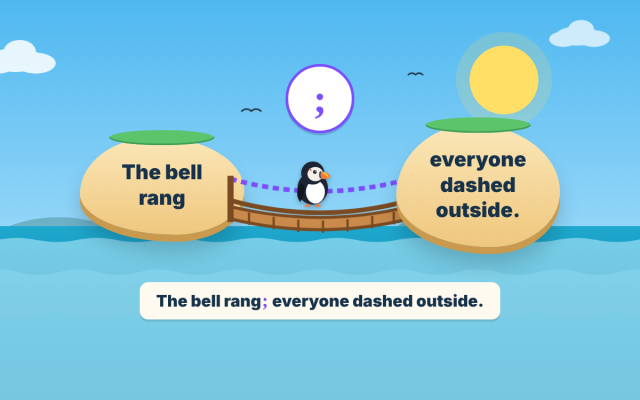
Colons, Semi-colons and Dashes: Bridge the Clause Islands
Learn how to use colons, semi-colons and dashes between clauses and in lists. Build punctuation bridges betwe…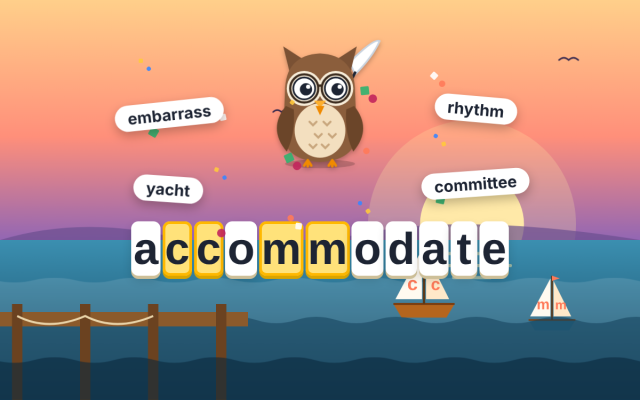
Year 5 and 6 Spelling Words: Sail the Spelling Isles
Learn the 100 Year 5 and 6 spelling words using word roots, word origins and memory tricks, then type them in…Go easy on past papers
Past papers are free on GOV.UK, and seeing one or two can make the real thing less of a surprise. But sitting paper after paper at home tends to raise worry without teaching much new. Most schools already do practice tests in class. If you do use a paper, try a few questions together, talk about how your child worked them out and leave it there.
Reading for pleasure still counts
The reading test asks children to read several texts carefully and think about them. The best preparation is lots of reading of any kind: novels, comics, non-fiction, recipes, sports reports. Ask a question or two as you go, such as "Why do you think she said that?" or "What tells you he's nervous?" These are the same skills the test checks, without it feeling like revision. See helping with reading comprehension for more ideas.
Look after the basics
- Sleep and routine. Keep bedtimes normal, especially in the weeks before and during test week. Late-night revision does more harm than good.
- Breakfast. Many schools run breakfast clubs in SATs week, and a calm, ordinary morning helps.
- Time off. Keep clubs, friends, play and outdoor time going. Rest is part of learning.
- Watch your words. Children pick up on adult worry. Talk about effort and trying your best, not scores.
If your child is worried
Some worry is normal. Listen, take it seriously and remind them that SATs are a snapshot of what they know on a few mornings in May, not a judgement on them as a person. Let the teacher know too; schools are used to this and often have simple ways to help. If worry is affecting sleep, eating or wanting to go to school, speak to the school and, if needed, your GP.
Coming soon: vote for the games you'd like first
- When you feel worriedNot made yet
- Naming feelingsNot made yet
- Feeling lonely and friendship ups and downs (KS2)Not made yet
 TapLearn