Wild and Garden Plants: Plant Spotting with Hattie
Learn to name wild and garden plants and tell deciduous from evergreen trees by exploring a meadow, a garden and a park tree trail.
Online game, chapter 1 free · Year 1 (KS1) · ages 5–7 · national curriculum in England · no adverts · plays on a phone, tablet or computer · no sign-up to start.
An online science game for Year 1 (KS1). It covers the national curriculum in England, Year 1 science: “Identify and name a variety of common wild and garden plants, including deciduous and evergreen trees”.
5 short chapters, about 25 minutes in all. Children can stop after any chapter.
Start playing for free. Plays in the browser on phones, tablets and computers: no app, no adverts.
Free for teachers: every chapter on the whiteboard with a free teacher account.
Last updated · Checked against the national curriculum in England by the TapLearn team
What you'll learn
Name six common wild flowers, including the daisy, dandelion and bluebell
Name six garden plants, including the rose, tulip and daffodil
Tell wild plants, which grow by themselves, from garden plants people plant
What deciduous and evergreen mean, and why winter shows the difference
Recognise oak, horse chestnut, silver birch, holly and pine trees
Why a wild plant growing in a garden is called a weed
Chapter by chapter
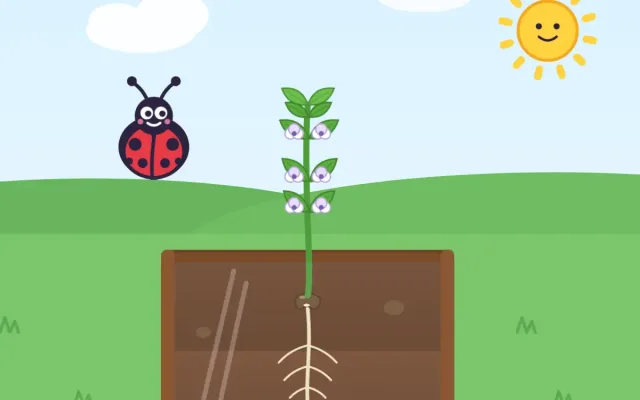
Naming common wild flowers: daisy, dandelion, buttercup, clover, poppy and bluebellStart playing for free
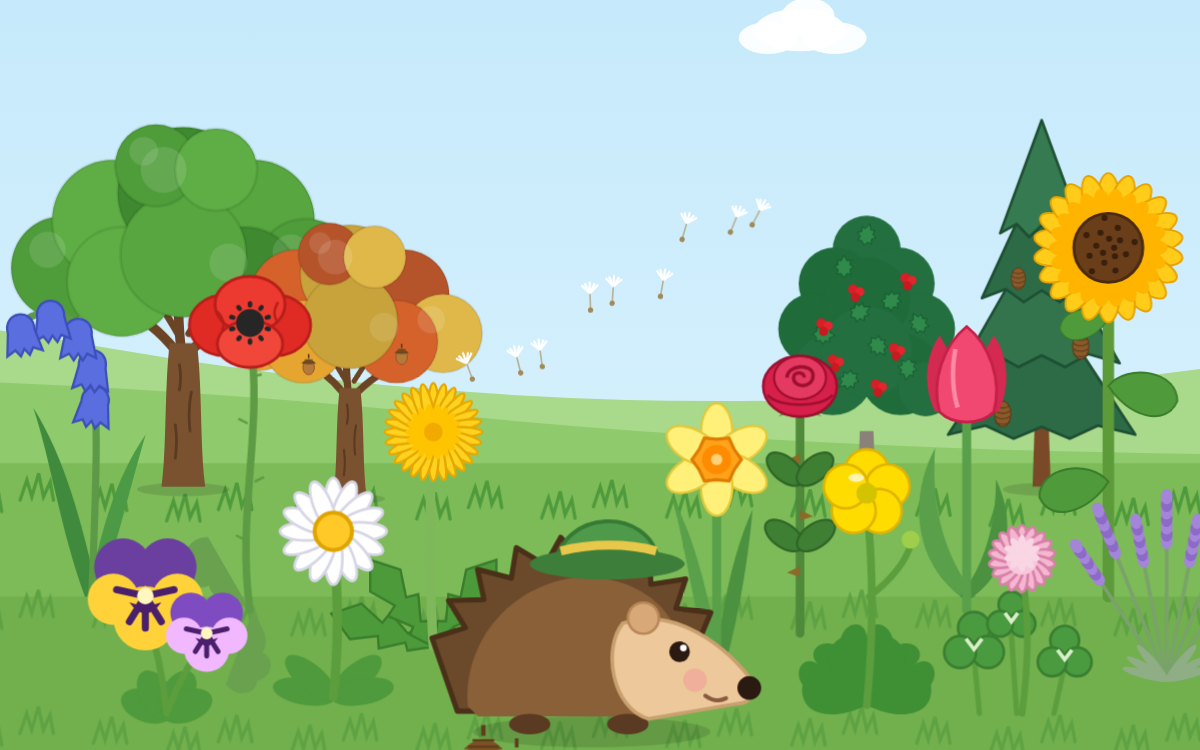
Identify and name six common wild flowers by uncovering them in a meadow, playing Spot It from clues like shiny cup-shaped petals, and blowing a dandelion clock to see how wild seeds spread.
Year 1 science · 1
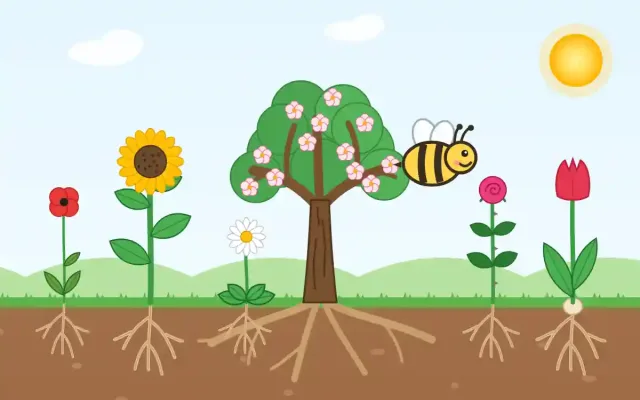
Naming common garden plants: rose, tulip, sunflower, daffodil, pansy and lavender
Identify and name six common garden plants by planting a garden bed, then spotting each one from features such as a rose's thorns, a daffodil's trumpet and a pansy's face-like markings.
Year 1 science · 1
Wild or garden? Plants that grow by themselves and plants people plant
Learn that garden plants are chosen and planted by people while wild plants grow by themselves, then sort eight plants into meadow or garden and solve detective questions, including why a garden dandelion is a weed.
Year 1 science · 1
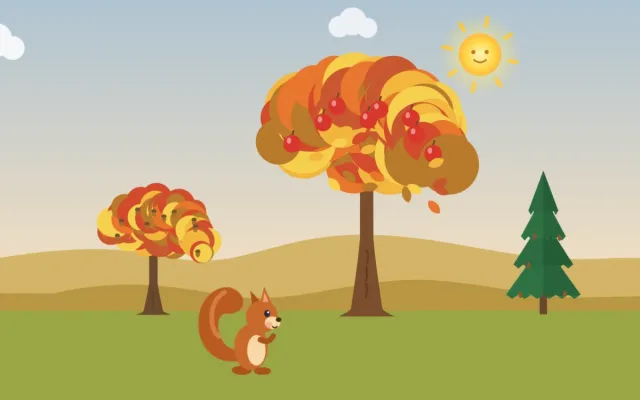
Deciduous and evergreen trees: which trees lose their leaves and which keep them
Watch an oak and a holly through summer, autumn, winter and spring to learn the words deciduous and evergreen, then decide which trees in a snowy park are deciduous and which are evergreen.
Year 1 science · 1
Naming common trees: oak, horse chestnut, silver birch, holly and pine
Identify and name oak, horse chestnut, silver birch, holly and pine trees from their leaves, bark, acorns, conkers, berries and cones, and say whether each tree is deciduous or evergreen.
What the chapters cover in the national curriculum in England:
Year 1 science: Identify and name a variety of common wild and garden plants, including deciduous and evergreen trees
About this adventure
Wild and Garden Plants is an interactive game that teaches children aged 5–7 to identify and name common wild and garden plants, including deciduous and evergreen trees, as set out in the Year 1 science curriculum.
Guided by Hattie the hedgehog, children uncover daisies, dandelions and bluebells in a meadow, plant roses, tulips and sunflowers in a garden, and sort plants by asking one simple question: did a person plant it, or did it grow by itself? They blow a dandelion clock to see how wild plants spread, and find out that a wild plant growing where people don't want it is called a weed.
Next, they watch an oak and a holly through the seasons to see what deciduous (loses its leaves in autumn) and evergreen (keeps its leaves all year) mean. Then they spot oaks, horse chestnuts, silver birches, hollies and pines by their leaves, bark and seeds.
Questions and answers
What is the difference between wild plants and garden plants?
Wild plants grow all by themselves from seeds that fall or blow on the wind, while garden plants are chosen, planted and looked after by people. Daisies and dandelions are wild plants; roses and tulips are garden plants.
What is the difference between deciduous and evergreen trees?
Deciduous trees, such as oak and silver birch, lose all their leaves in autumn and grow new ones in spring. Evergreen trees, such as holly and pine, keep their leaves all year, dropping only a few old ones at a time.
Which wild flowers do Year 1 children learn to name?
Year 1 children often learn common wild flowers such as the daisy, dandelion, buttercup, clover, poppy and bluebell. The national curriculum asks them to identify and name a variety of common wild and garden plants, but it does not set a fixed list.
What age is this plants game for?
The game is designed for children aged 5 to 7 and matches the Year 1 science objective on wild and garden plants and trees. Every line is read aloud, and children answer by tapping or dragging, so early readers can play.
What does the game include and how long does it take?
It has five chapters and a 10-question challenge, and takes about 25 minutes to play through. Children explore a meadow, a garden and a park, sort plants, watch two trees through the seasons and practise naming trees.
We count visits to make TapLearn better.We use one cookie, only on this site, to see how families find and use it. No adverts, and nothing is shared.One cookie, only on this site. No adverts.How we measure
 TapLearn