Parts of a Plant: Grow a Sunflower with Bea the Bee
Learn the parts of a plant, from the roots and stem to the leaves and flowers, by growing a sunflower, rebuilding a tulip and exploring an apple tree.
Online game, chapter 1 free · Year 1 (KS1) · ages 5–6 · national curriculum in England · no adverts · plays on a phone, tablet or computer · no sign-up to start.
An online science game for Year 1 (KS1). It covers the national curriculum in England, Year 1 science: “Identify and describe the basic structure of a variety of common flowering plants, including trees”.
5 short chapters, about 35 minutes in all. Children can stop after any chapter.
Start playing for free. Plays in the browser on phones, tablets and computers: no app, no adverts.
Free for teachers: every chapter on the whiteboard with a free teacher account.
Last updated · Checked against the national curriculum in England by the TapLearn team
What you'll learn
The four main parts of a flowering plant: roots, stem, leaves, flower
Roots grow under the soil and hold the plant in the ground
The stem holds the plant up; leaves are flat and usually green
A tree is a plant, and its woody stem is called the trunk
How to label roots, stem, leaves and flower on a plant diagram
Plants that look different still share the same main parts
Chapter by chapter
The four main parts of a flowering plant: roots, stem, leaves and flowerStart playing for free
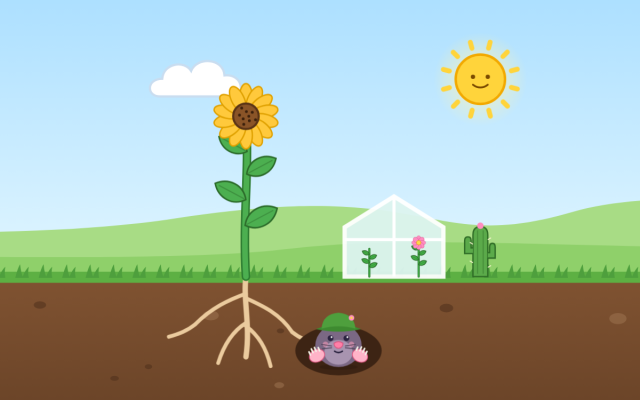
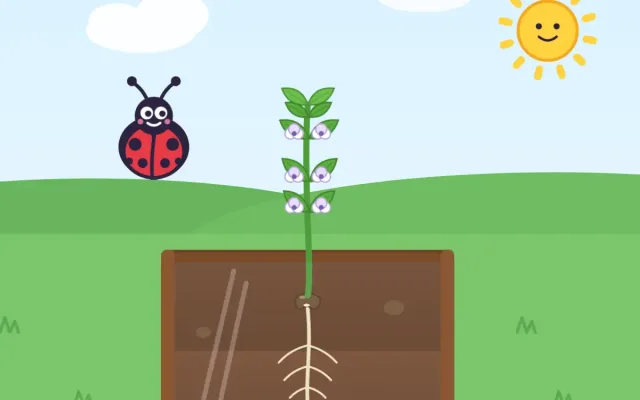
Name the four main parts of a flowering plant, roots, stem, leaves and flower, by growing a sunflower from a seed, watching each part appear, then finding each part on the grown plant.
Year 1 science · 1
Describing each part: where it grows and what it looks like
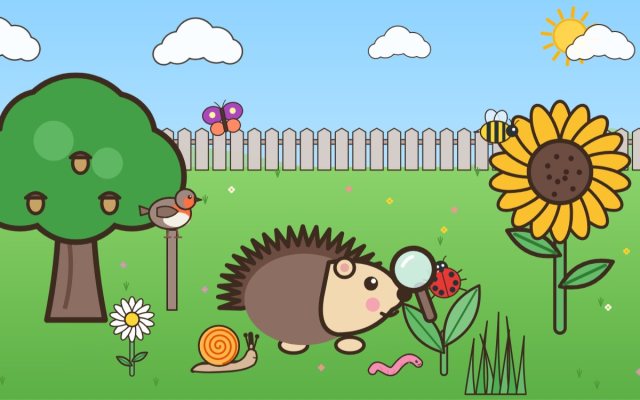
Describe each part of a plant: roots grow under the soil, the stem holds the plant up, leaves are flat and usually green, and flowers have petals, using a magnifying glass and spoken clues.
Year 1 science · 1
Building a plant: putting each part in the right place and labelling it
Rebuild a blown-apart tulip by dragging its roots, stem, leaves and flower into the right places, fix a mixed-up plant, then label every part of the tulip like a scientist's diagram.
Year 1 science · 1
Trees are plants too: roots, trunk, branches, leaves and blossom
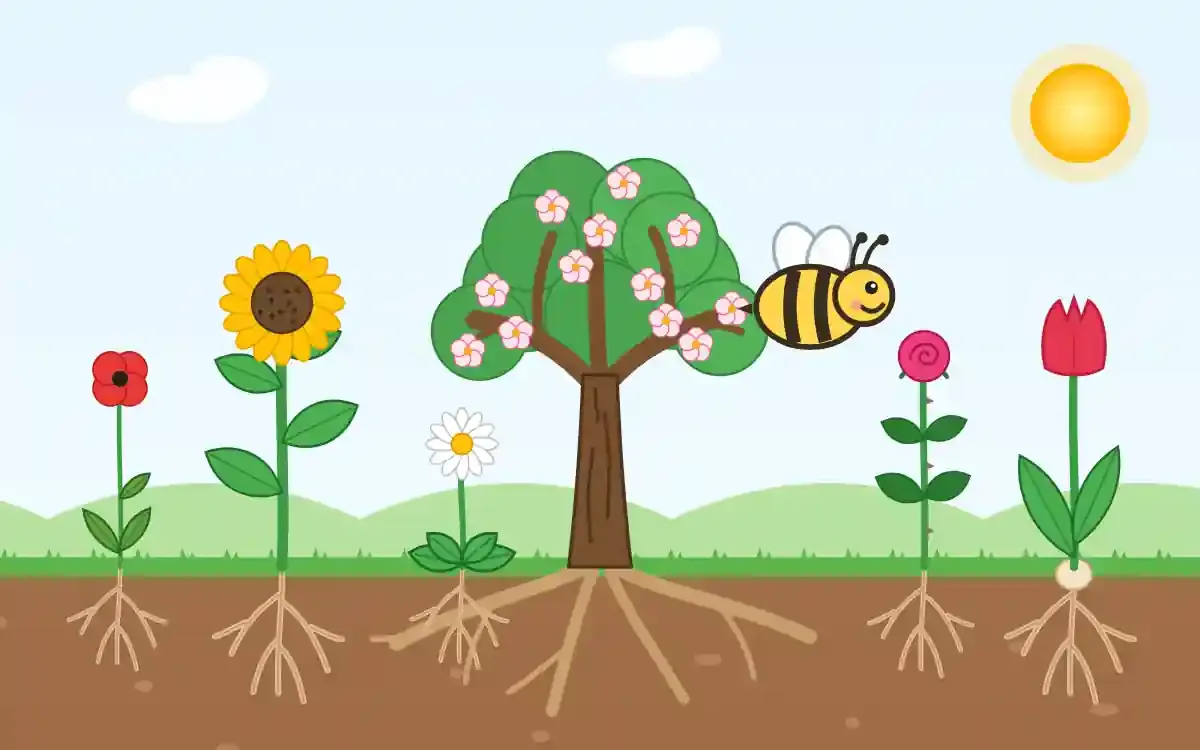
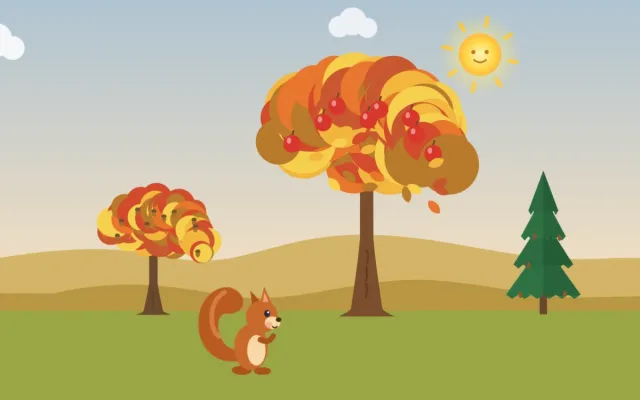
Learn that a tree is a plant by growing an apple tree part by part, naming its roots, trunk, branches, leaves and blossom, and matching the trunk to a sunflower's stem.
Year 1 science · 1
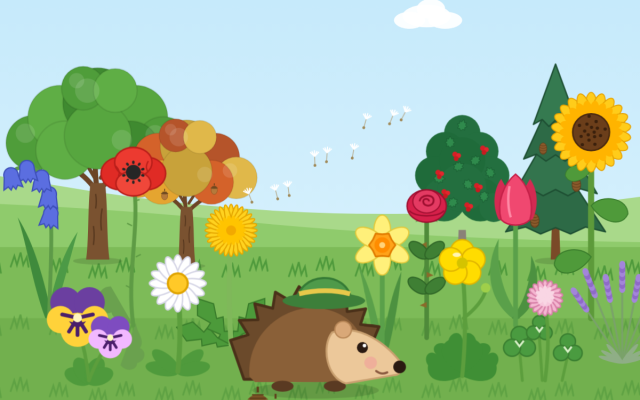
Same parts, different plants: finding the parts on a daisy, rose, poppy and more
Find the roots, stem, leaves and flowers on a daisy, rose, poppy and sunflower, decide whether a daffodil with no flower yet is still a plant, and discover which plant parts we eat.
What the chapters cover in the national curriculum in England:
Year 1 science: Identify and describe the basic structure of a variety of common flowering plants, including trees
About this adventure
Parts of a Plant is an interactive game that teaches children aged 5–6 to name and describe the roots, stem, leaves and flowers of plants, including trees. It follows the Year 1 science curriculum in England.
Guided by Bea the bee, children grow a sunflower from a seed and watch each part appear, look closely at every part with a magnifying glass, and drag the pieces of a tulip back into place before labelling it. They find out that a tree is a plant too, with a trunk as its stem, branches and blossom, and spot the same parts on a daisy, rose, poppy and sunflower.
Along the way they tackle common mix-ups, such as thinking every leaf is green or forgetting the hidden roots, and finish with a bonus look at which plant parts we eat.
Questions and answers
What are the main parts of a plant?
The main parts of a flowering plant are the roots, the stem, the leaves and the flower. Roots grow under the soil, the stem holds the plant up, leaves are flat and usually green, and the flower has colourful petals.
Is a tree a plant?
Yes, a tree is a plant. It has the same main parts as other flowering plants: roots under the ground, a trunk that is its thick, woody stem, branches, leaves and flowers, which on trees are often called blossom.
Why do children often forget to draw a plant's roots?
Children often forget the roots because they grow hidden under the soil, so they rarely see them. The roots are still an important part of the plant, and the game shows them clearly in a cut-away view of the soil.
What age is the Parts of a Plant game for?
The game is for children aged 5 to 6 and matches the Year 1 science curriculum in England on the basic structure of flowering plants, including trees. Every instruction is read aloud with captions, so early readers can play on their own.
What does the Parts of a Plant game include and how long does it take?
The game has five chapters, each with an animated introduction, hands-on activities and quick questions, followed by a 10-question Plant Parts Challenge. Playing everything takes about 35 minutes, and children can start any chapter from Bea's garden.
We count visits to make TapLearn better.We use one cookie, only on this site, to see how families find and use it. No adverts, and nothing is shared.One cookie, only on this site. No adverts.How we measure
 TapLearn