Recount Writing: Help Ollie Write About a Real Farm Trip
Learn how to write a recount of a real event: say it out loud first, jot down key words, then write it sentence by sentence with Ollie the otter.
Online game, chapter 1 free · Year 2 (KS1) · ages 6–8 · national curriculum in England · no adverts · plays on a phone, tablet or computer · no sign-up to start.
An online English game for Year 2 (KS1). It covers the national curriculum in England, Year 2 english: “Develop positive attitudes towards and stamina for writing by: writing narratives about personal experiences and those of others (real and fictional)”, and 4 more statements listed under the chapters.
5 short chapters, about 35 minutes in all. Children can stop after any chapter.
Start playing for free. Plays in the browser on phones, tablets and computers: no app, no adverts.
Free for teachers: every chapter on the whiteboard with a free teacher account.
Last updated · Checked against the national curriculum in England by the TapLearn team
What you'll learn
A recount is writing about something that really happened
Real events are written in the past tense: I went, not I go
Start a recount by saying who, where and when
Say ideas out loud in order before writing
Jot down key words and new words as quick notes
Turn each note into one clear sentence: say it, write it, read it
Chapter by chapter
Tell real events from made-up storiesStart playing for free
Learn that a recount is writing about something that really happened, written in the past tense, and that it can be about me (I, we) or someone else (he, she, they), by sorting real and made-up events.
Year 2 english · 1Year 2 english · 2
Plan a recount by saying it out loud
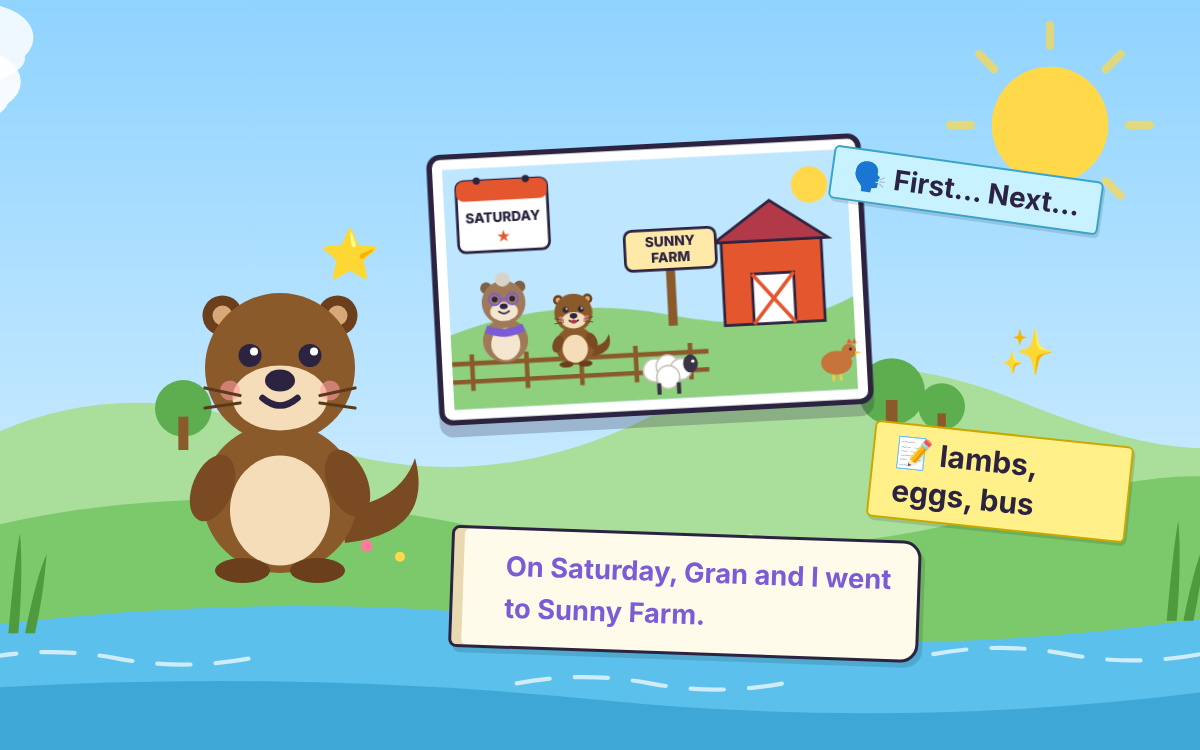
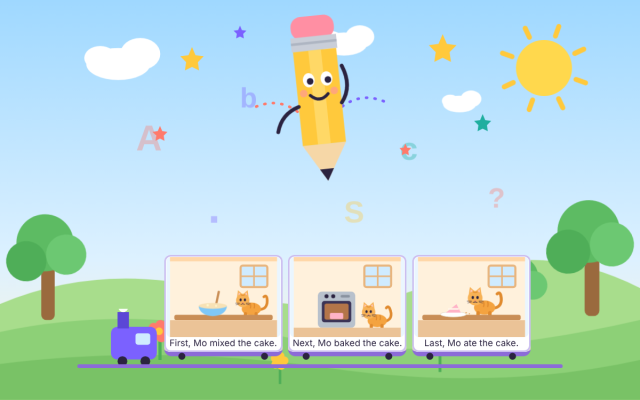
Find who, where and when in a photo, put the events of a farm trip in order, and say each part aloud starting with First, Next, Then or Finally before writing (oral rehearsal with time connectives).
Year 2 english · 3Year 2 english · 1
Jot down key words and new words
Tap the key words in each sentence to make quick notes instead of whole sentences, leave out small words like the and we, and catch new vocabulary such as trough, shearing and piglet.
Year 2 english · 4
Turn notes into sentences, one at a time
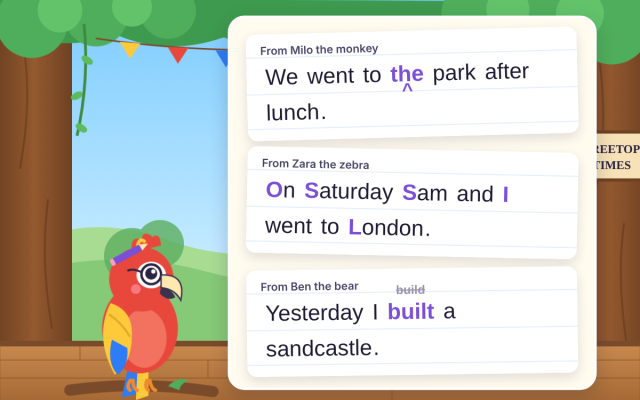
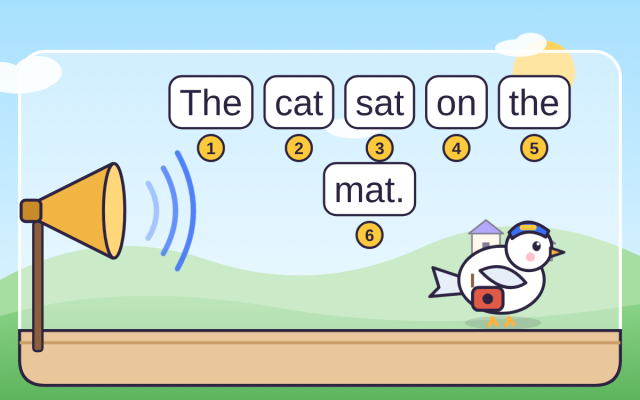
Use say it, write it, read it to turn each note into a full sentence, build sentences from word tiles, choose the past tense, and split a long and then chain into separate sentences.
Year 2 english · 5Year 2 english · 2
Plan and write a whole recount of a real event
Choose a beach trip, a snow day or Samuel Pepys and the Great Fire of London, then say it, order it, note it and write it sentence by sentence, finishing with a sentence about the child's own real day.
Year 2 english · 1Year 2 english · 2Year 2 english · 3Year 2 english · 4Year 2 english · 5
What the chapters cover in the national curriculum in England:
Year 2 english: Develop positive attitudes towards and stamina for writing by: writing narratives about personal experiences and those of others (real and fictional)
Year 2 english: Develop positive attitudes towards and stamina for writing by: writing about real events
Year 2 english: Consider what they are going to write before beginning by: planning or saying out loud what they are going to write about
Year 2 english: Consider what they are going to write before beginning by: writing down ideas and/or key words, including new vocabulary
Year 2 english: Consider what they are going to write before beginning by: encapsulating what they want to say, sentence by sentence
About this adventure
Recount Writing is an interactive game that teaches children aged 6 to 8 (Year 2) how to write about real events: planning by saying their ideas out loud, noting key words and writing one sentence at a time.
Ollie the otter went to Sunny Farm and wants to write about it in his Memory Diary. Children sort real events from made-up ones, find who, where and when in a photo, put the day back in order with First, Next, Then and Finally, tap the key words for quick notes, and build each sentence from word tiles after saying it aloud.
Along the way they meet the word recount, learn why recounts are written in the past tense, split a long "and then, and then" sentence into clear ones, and finally plan and write a whole recount of a beach trip, a snow day or the Great Fire of London.
Questions and answers
What is a recount in writing?
A recount is writing that tells what really happened, such as a school trip or a day out. It is usually written in the past tense, in the order things happened, and often ends with how the writer felt.
How do you plan a recount in Year 2?
Year 2 children plan a recount by saying it out loud first: who was there, where and when it happened, then what happened in order. They jot down key words as notes, then write the recount one sentence at a time.
What are time connectives in a recount?
Time connectives are words like First, Next, Then, After that and Finally that show the order of events. First starts the recount, Finally starts the last part, and the others go in the middle.
What age is this recount writing game for?
The game is made for children aged 6 to 8 and follows the Year 2 English curriculum in England for writing about real events. Younger writers can play with a grown-up, and older children can use it to revise planning skills.
What does the recount writing game include and how long does it take?
The game has five chapters and a 10-question Recount Challenge, and takes about 35 minutes to play through. Every line is read aloud, children can start at any chapter, and it ends with them writing their own sentence about something real.
We count visits to make TapLearn better.We use one cookie, only on this site, to see how families find and use it. No adverts, and nothing is shared.One cookie, only on this site. No adverts.How we measure


 TapLearn