Neat, Fast Handwriting: Speedy Scribe with Inky the Pen
Learn neat, fast handwriting: choose clear letter shapes, decide when to join, and pick the best pen or pencil while guiding Inky the pen.
Online game, chapter 1 free · Years 5 and 6 (KS2) · ages 9–11 · national curriculum in England · no adverts · plays on a phone, tablet or computer · no sign-up to start.
An online English game for Years 5 and 6 (KS2). It covers the national curriculum in England, Years 5–6 english: “Write legibly, fluently and with increasing speed by: choosing which shape of a letter to use when given choices and deciding whether or not to join specific letters”, and 1 more statement listed under the chapters.
5 short chapters, about 30 minutes in all. Children can stop after any chapter.
Start playing for free. Plays in the browser on phones, tablets and computers: no app, no adverts.
Free for teachers: every chapter on the whiteboard with a free teacher account.
Last updated · Checked against the national curriculum in England by the TapLearn team
What you'll learn
Check writing is legible: on the line, tall ascenders, even spaces
Choose one clear shape for letters like f, k and y
Spot break letters, like x and z, where the pen lifts
When to use print or block capitals instead of joined writing
Why fewer pen lifts and a relaxed grip build speed
Pick the best writing implement for each task
Chapter by chapter
Making handwriting easy to readStart playing for free
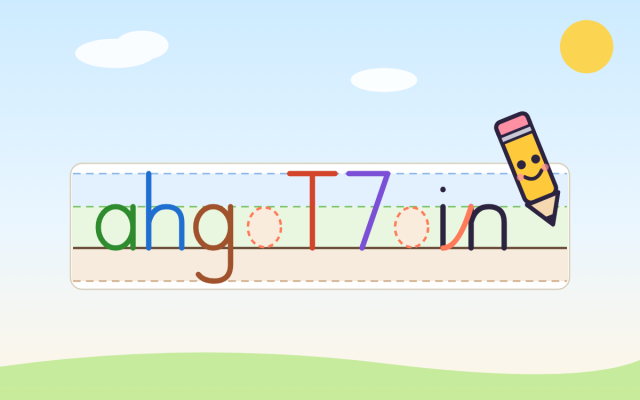
Learn the checks that keep handwriting legible: letters sitting on the line, tall ascenders, descenders below the line, matching size and slant, and spaces between words, by fixing a muddled note and hunting for problems.
Years 5–6 english · 1
Choosing letter shapes
Compare letter twins such as looped and straight f, k, y and g, choose a clear shape and use it every time, and spot shapes that could be misread, like an open a that looks like u.
Years 5–6 english · 1
Deciding when to join letters
Decide whether or not to join specific letters by breaking awkward joins after x, z and a straight-tailed j, then sort tasks into joined writing, print or block capitals (break letters).
Years 5–6 english · 1
Writing faster but still neatly
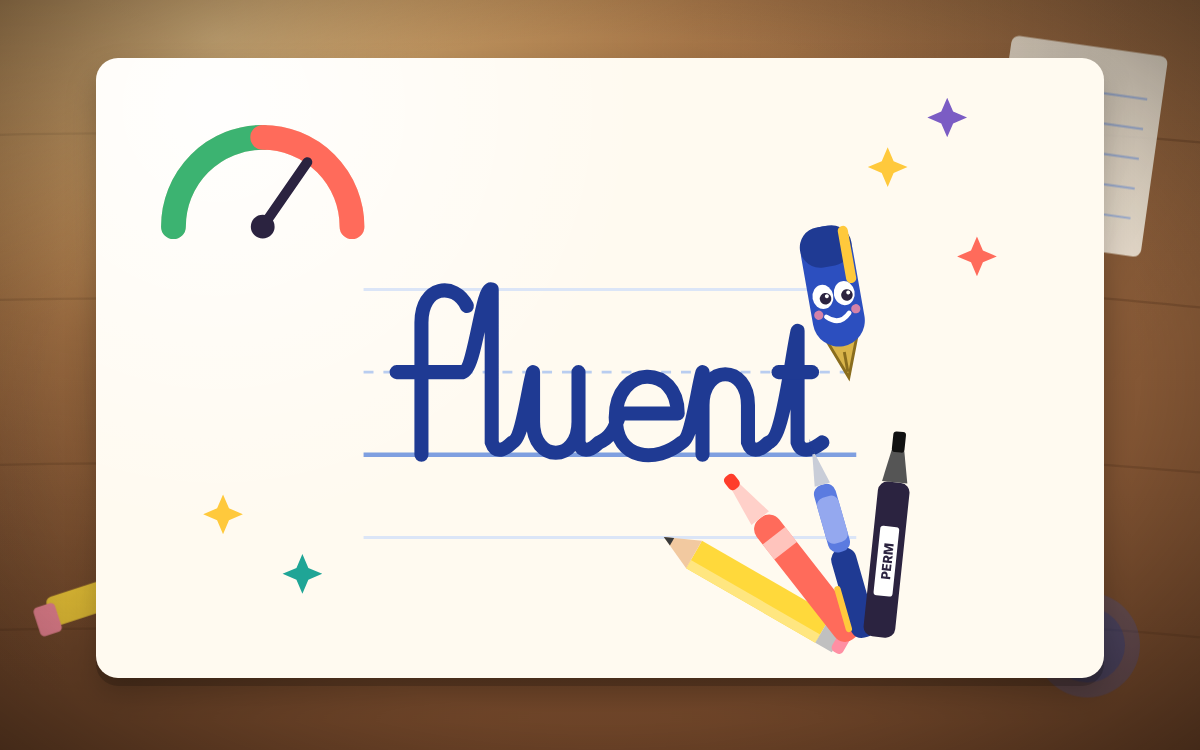
Find out how to write with increasing speed while staying legible: race joined against unjoined writing to count pen lifts, find a speed sweet spot, and choose a relaxed grip with gentle pressure.
Years 5–6 english · 1Years 5–6 english · 2
Choosing the best writing tool
Choose the writing implement best suited to a task, from a pencil for maths working to a handwriting pen for final copies and a permanent marker for labels, and decide when quick notes will do.
What the chapters cover in the national curriculum in England:
Years 5–6 english: Write legibly, fluently and with increasing speed by: choosing which shape of a letter to use when given choices and deciding whether or not to join specific letters
Years 5–6 english: Write legibly, fluently and with increasing speed by: choosing the writing implement that is best suited for a task
About this adventure
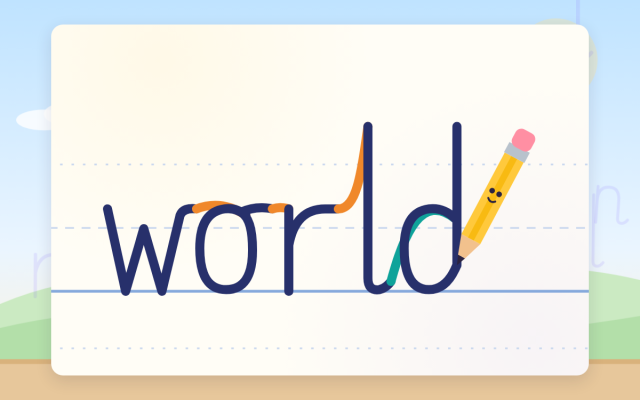
Neat, Fast Handwriting is an interactive game that teaches children aged 9–11 how to write legibly, fluently and with increasing speed, as the Year 5 and 6 national curriculum for England asks. Players watch Inky the pen write words stroke by stroke, then fix what makes writing hard to read, such as short ascenders, floating letters and squashed spaces.
They compare letter twins like the looped and straight f, break awkward joins after break letters such as x and z, and sort jobs into joined writing, print or block capitals. A pen lift race shows why fewer lifts mean faster writing, and a speed dial helps them find the point where writing is quick but still legible.
Finally, they match writing implements such as pencils, handwriting pens and permanent markers to real tasks, then test themselves in a ten-question challenge.
Questions and answers
How can children write faster without getting messy?
Children write faster by joining letters so the pen lifts less, keeping a relaxed grip with gentle pressure, and practising a little and often. Speed only helps if the writing can still be read, so they should find a pace that stays legible.
What are break letters in handwriting?
Break letters are letters that don't join to the letter after them, although the letter before can still join to them. Most handwriting styles lift the pen after x and z, and many schools add letters with straight tails, such as g, j and y.
When should children use print instead of joined handwriting?
Children should use unjoined print when every character must be clear, such as email addresses, labels on diagrams, data tables and algebra. Forms often ask for block capitals, while joined handwriting suits longer writing like stories and diaries.
What age is this handwriting game for?
This game is for children aged 9 to 11, in Years 5 and 6. It follows the national curriculum for England, which asks pupils to write legibly, fluently and faster by choosing letter shapes, joins and the right writing tool.
What does the handwriting game include and how long does it take?
The game has five chapters and a ten-question challenge, and takes about 30 minutes to play through. The chapters cover legibility, letter shapes, joins, speed and writing tools, with spoken narration and hands-on activities.
We count visits to make TapLearn better.We use one cookie, only on this site, to see how families find and use it. No adverts, and nothing is shared.One cookie, only on this site. No adverts.How we measure

 TapLearn