What you'll learn
- Why authors choose precise verbs like crept instead of walked
- How connotation makes readers like or dislike a character
- How short and long sentences change pace and tension
- What headings, bullet points, captions and italics do for readers
- How to find and copy evidence from a text
- How to explain the effect of a word on the reader
Chapter by chapter
- Precise word choice: why authors pick one word instead of another Free to try
Years 5–6 english · 1 Years 5–6 english · 2
- Connotation: how word choice shapes how we feel about characters and places
Years 5–6 english · 1
- Sentence structure: how sentence length and sentence tricks control pace and tension
Years 5–6 english · 2 Years 5–6 english · 1
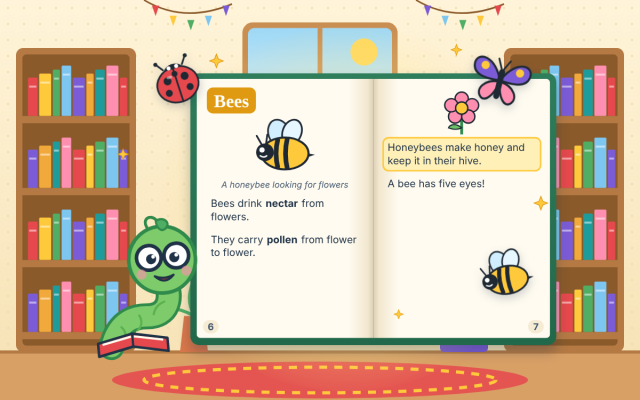
- Presentation: how headings, bullet points, fonts and pictures help the reader
Years 5–6 english · 2
- Evaluating an author's choices: explaining the effect with evidence from the text
Years 5–6 english · 1 Years 5–6 english · 2
- Story Studio Challenge: language, structure and presentation (10 questions) (10 questions)
See every English chapter in the chapter library
What the chapters cover in the national curriculum in England:
- Years 5–6 english: Discuss and evaluate how authors use language, including figurative language, considering the impact on the reader
- Years 5–6 english: Understand what they read by: identifying how language, structure and presentation contribute to meaning
About this adventure
Author's Word Choice is an interactive game that teaches children aged 9–11 how authors use language, sentence structure and presentation to shape meaning and affect the reader. It follows the Years 5–6 reading curriculum in England.
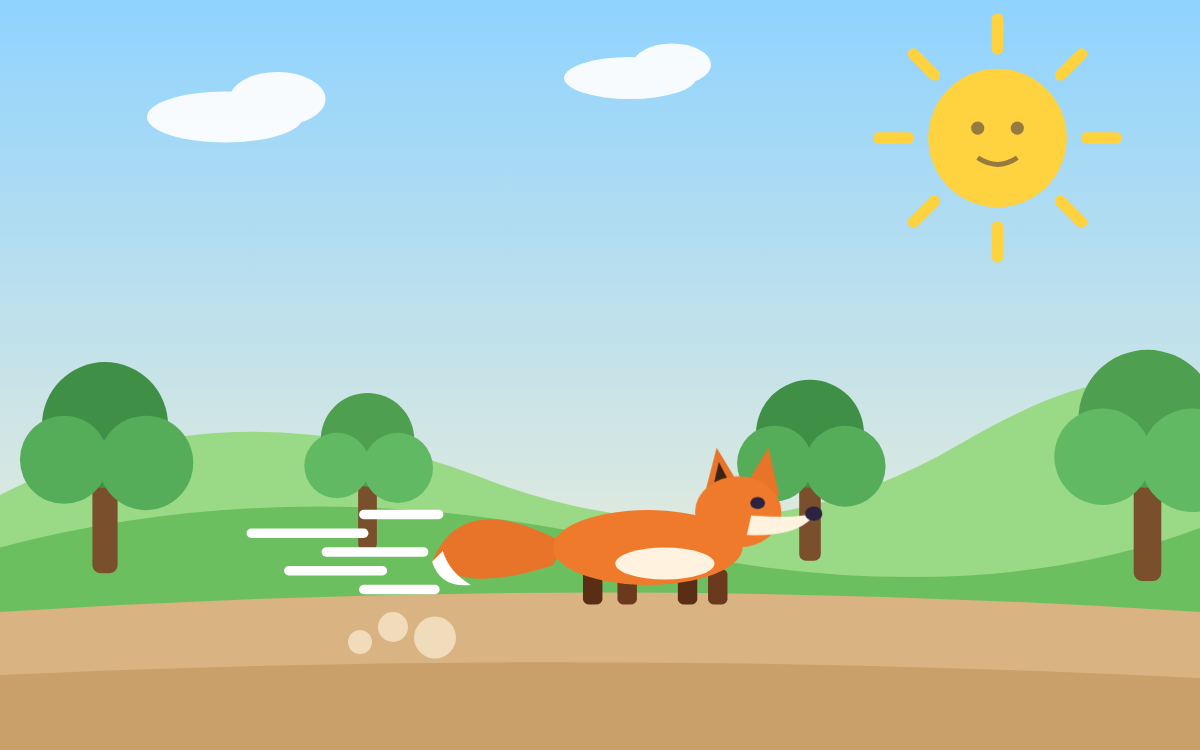
Players step into a film studio where the words on the page direct the scene. Swap a verb and a fox creeps instead of stomps; swap a describing word and a crowd likes or dislikes a character. Children meet connotation (the feeling a word carries), see how short sentences raise tension while long ones slow the pace, and rebuild a jumbled poster with headings, bullet points and captions.
They then practise explaining an author's choice the way reading tests ask: finding and copying evidence, saying what a word suggests and describing its effect on the reader. Spoken narration and sound effects guide every step.
Questions and answers
What does author's word choice mean?
Author's word choice means the particular words a writer picks to create a picture or feeling. For example, 'crept' tells readers a character is moving slowly and carefully, while 'walked' tells them very little.
Why do authors use short sentences?
Authors use short sentences to speed up the pace and build tension or shock. Long, flowing sentences do the opposite: they slow the reader down and add detail, which suits calm or descriptive moments.
How do you explain the effect of a word on the reader?
To explain the effect of a word, quote the word, say what it suggests and describe how it makes the reader feel. Saying it 'makes the writing more interesting' is too vague to show real understanding.
What age is this author's word choice game for?
This game is designed for children aged 9 to 11, in Years 5 and 6. It matches the national curriculum in England, which asks pupils to discuss how language, structure and presentation contribute to meaning.
What does the game include and how long does it take?
The game includes five chapters, an optional word-classes warm-up and a ten-question final challenge, and takes about 45 minutes to play through. Children can start from any chapter and return to the studio map at any time.
 TapLearn