What you'll learn
- Sort features of a text into language, structure or presentation
- How strong verbs, describing words and sound words create pictures and feelings
- Why order matters and when a new paragraph should begin
- What headings, captions, bold words and bullet points do for readers
- The conventions of letters, diaries, instructions and fairy tales
- How a theme differs from the plot, such as good beats evil
Chapter by chapter
- Language, structure and presentation: the three tools that build a text Free to try
Years 3–4 english · 1
- Language: how word choices help us picture, hear and feel a story
Years 3–4 english · 1
- Structure: how order, paragraphs and parts help a text make sense
Years 3–4 english · 1
- Presentation: how headings, pictures, bold and layout guide the reader
Years 3–4 english · 1
- Conventions: spotting what letters, diaries, instructions and fairy tales usually have
Years 3–4 english · 2 Years 3–4 english · 1
- Themes: finding the big ideas that different stories share
Years 3–4 english · 2
- Master Builder Challenge (10 questions) (10 questions)
See every English chapter in the chapter library
What the chapters cover in the national curriculum in England:
- Years 3–4 english: Understand what they read, in books they can read independently, by: identifying how language, structure, and presentation contribute to meaning
- Years 3–4 english: Develop positive attitudes to reading, and an understanding of what they read, by: identifying themes and conventions in a wide range of books
About this adventure
Language, Structure and Presentation is an interactive reading game that teaches children aged 7–9 how writers build a text so that it makes sense, and how to spot the themes and conventions that books share.
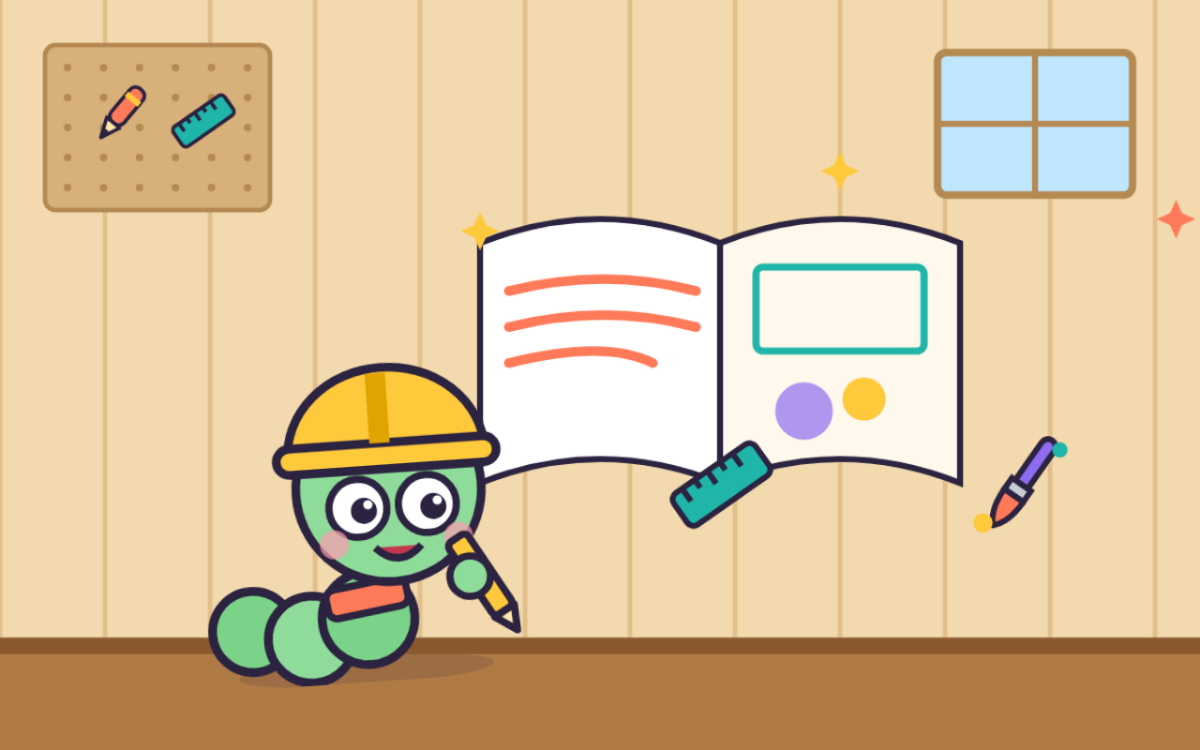
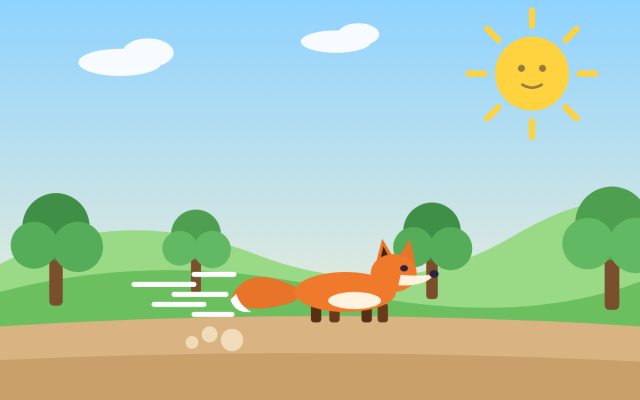
Guided by Inkie the bookworm builder, players learn that language means the words a writer chooses, structure means the order and parts of a text, and presentation means how it looks on the page. They watch a fox change as one verb changes, help a robot follow muddled instructions, and add headings, captions and bullet points to a hedgehog fact page.
Later they meet conventions, the features each kind of writing usually has, and themes, the big ideas underneath a story. Narration reads every instruction aloud, and the game finishes with a ten-question Master Builder Challenge.
Questions and answers
What do language, structure and presentation mean in KS2 reading?
Language is the words a writer chooses, structure is how a text is ordered and split into parts, and presentation is how it looks on the page. Children in Years 3 and 4 learn how all three help a text make sense.
What is the theme of a story, in simple words?
A theme is the big idea a story is really about, such as good beats evil, friendship or never giving up. It is different from the plot, which is what happens, and one story can have more than one theme.
What are text conventions for Year 3 and 4?
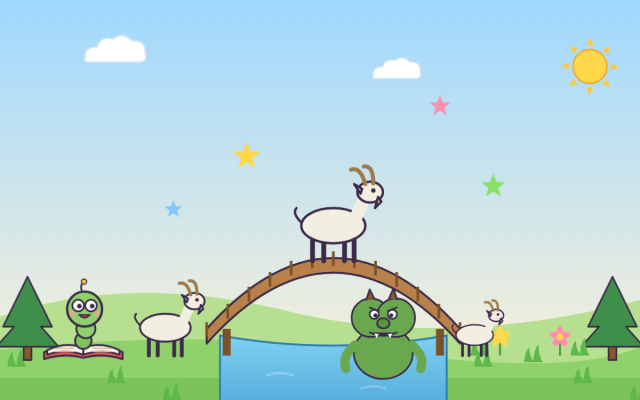
Conventions are the features a kind of writing usually has, which help readers recognise it. Letters have a greeting and a sign-off, diaries use I and my, instructions have numbered steps and bossy verbs, and fairy tales often begin with once upon a time.
What age is this language, structure and presentation game for?
It is pitched at children aged 7 to 9, in Years 3 and 4 of Key Stage 2 in England. A short optional warm-up recaps fiction, non-fiction, verbs and adjectives for anyone who wants a refresher first.
What does the game include and how long does it take?
There are six chapters with spoken narration, hands-on activities and quick questions, plus a ten-question final challenge. Playing everything takes about an hour, and children can choose any chapter from the main yard and stop between chapters.
 TapLearn