Year 3 Vocabulary: A Word Explorer Village Adventure
Learn the Year 3 vocabulary every child needs: story words, prefixes, synonyms and homophones, by exploring a village where words come alive.
- Ages 7–9
- About 40 min
- Easy start
- Vocabulary
Learn the Year 3 vocabulary every child needs: story words, prefixes, synonyms and homophones, by exploring a village where words come alive.
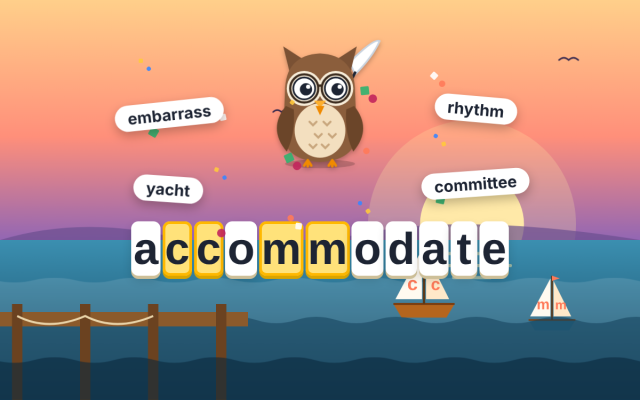
Word Explorers is an interactive game that teaches children aged 7–9 the Year 3 vocabulary they need to understand and use by the end of Year 3, from story words like peculiar and describe to prefixes, word families and homophones.
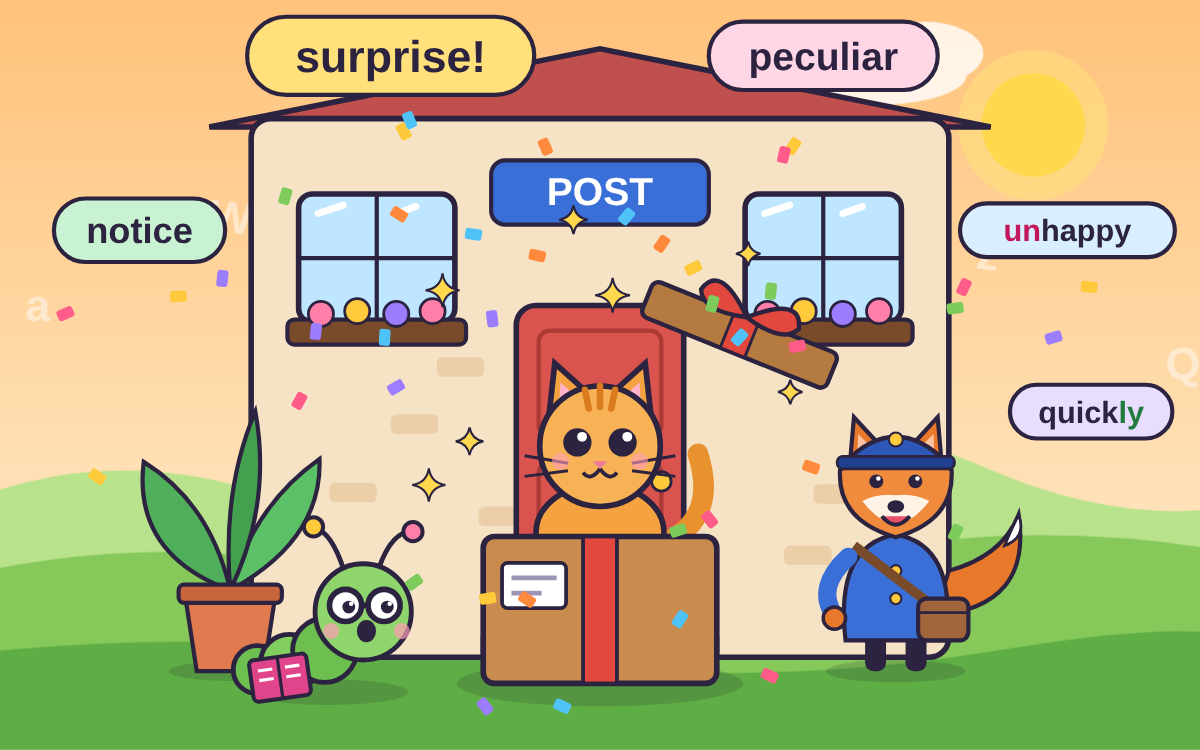
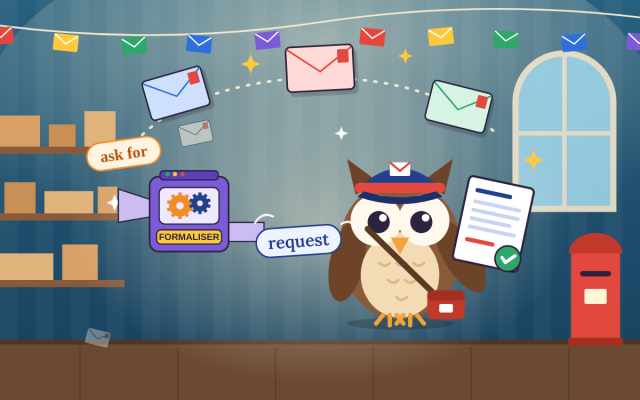
Players explore Wordwick village with Pip the bookworm. They open a peculiar parcel at the Post Office, crack word mysteries by finding context clues, mix prefix potions in a cauldron and grow a word family tree. Each place begins with a short animated introduction and ends with a recap, and every line is read aloud.
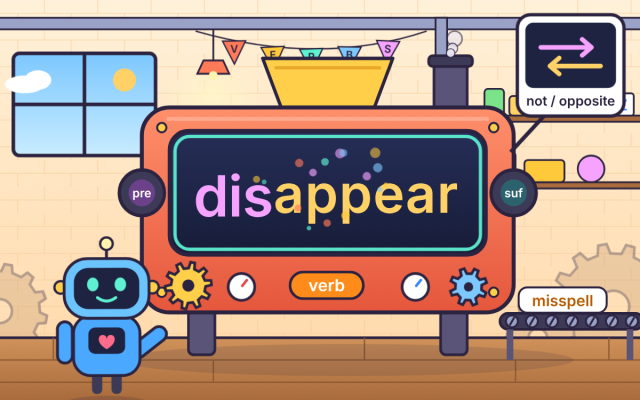
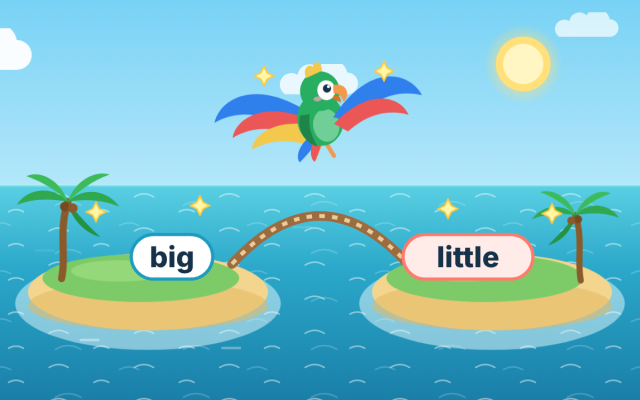
Along the way children meet the correct terms: a prefix goes at the front of a root word, a suffix goes at the end, synonyms mean nearly the same, antonyms are opposites and homophones sound alike but are spelt differently. A 10-question Word Crown challenge checks what they have learned.
By the end of Year 3, children should understand and use everyday story words such as notice, describe and promise. They should also use the prefixes un-, dis-, mis-, re- and pre-, spot word families, add -ly correctly and tell common homophones apart.
A prefix is a group of letters added to the front of a root word to change its meaning. For example, un- means not, so unhappy means not happy, and re- means again, so rebuild means build again.
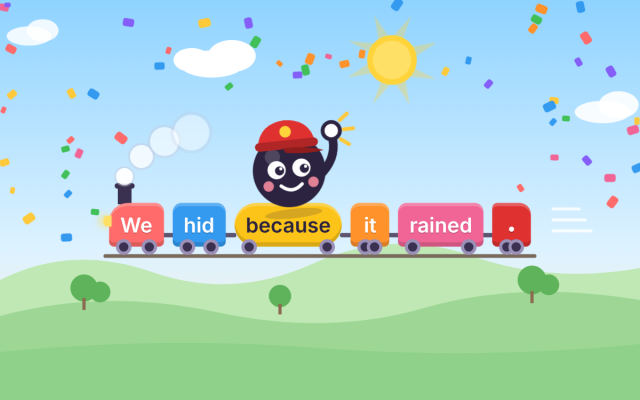
Children can work out a new word by reading the whole sentence and looking for clue words around it. In "the puppy was drenched after jumping in the pond", the pond is the clue that drenched means very wet.
The game is written for children aged 7 to 9, matching Year 3 of the English national curriculum. It also suits Year 4 pupils who want to refresh prefixes, word families and homophones, and every line is read aloud for less confident readers.
Playing everything takes about 40 minutes. There are six chapters set in different village places, each with an animated introduction, hands-on activities and short questions, followed by a 10-question Word Crown challenge. Children can start any chapter from the map.
 TapLearn
Getting it ready…
Great work on chapter 1! To open the next chapters, ask a grown-up to take a look.
To play this game, ask a grown-up to take a look. There are lots of free games you can play right now too!
Create a free family account and your child can play every chapter of every game for 7 days, with no card needed. Their progress is kept. After that, the free plan is free for ever, and membership is £6.99 a month if you'd like to keep every chapter.
That's all the learning time for today. Great work! Flip will be ready to play again tomorrow.