What a homophone is and how meaning decides the spelling
Why nouns end in -ce and verbs in -se, like advice and advise
Memory tricks for stationary, stationery, principal, principle, desert and dessert
When to use affect or effect, and who's or whose
The difference between past and passed
How to proofread for homophone mistakes a spellchecker misses
Chapter by chapter
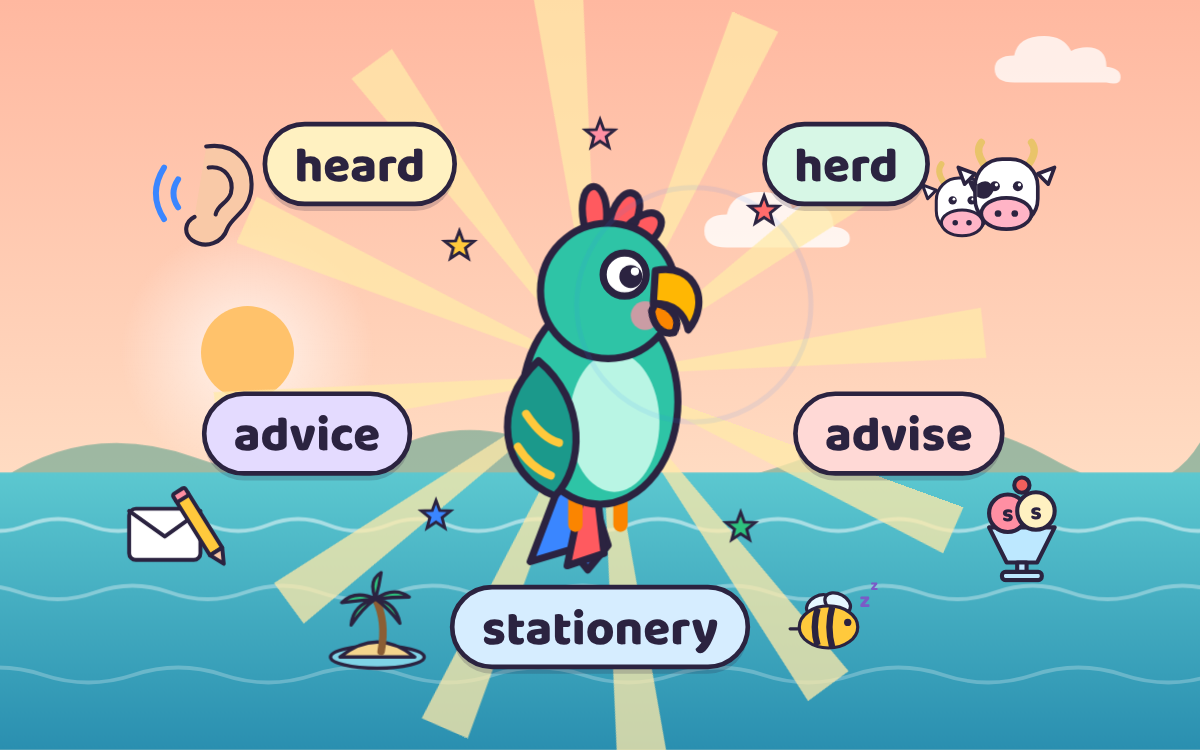
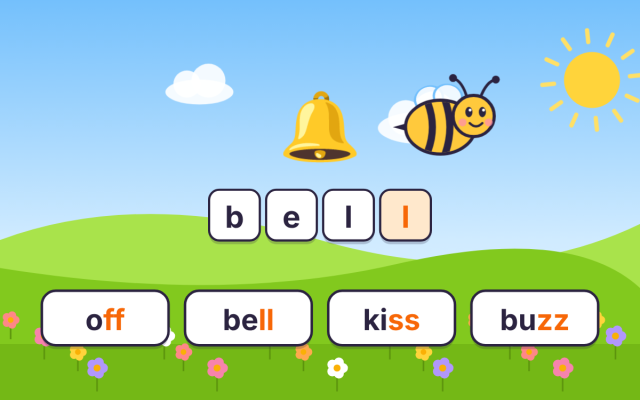
Homophones: same sound, different meaning (heard/herd, aisle/isle, aloud/allowed)Free to try
Years 5–6 english · 1
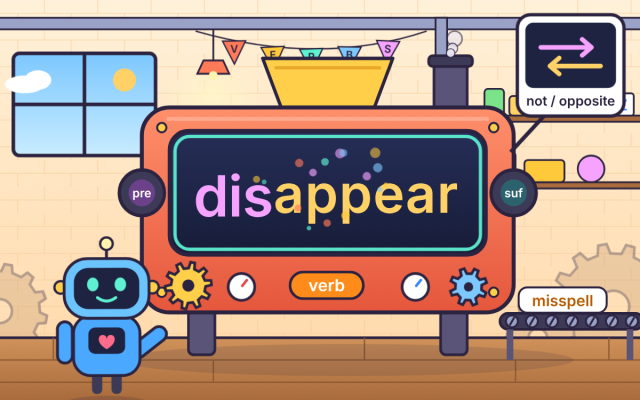
Nouns end -ce, verbs end -se: advice/advise, device/devise, licence/license, practice/practise, prophecy/prophesy
Years 5–6 english · 1
Memory tricks for stationary/stationery, principal/principle and desert/dessert
Years 5–6 english · 1
Word jobs: affect/effect, who's/whose and past/passed
Years 5–6 english · 1
Proofreading for homophones: steal/steel, cereal/serial, guest/guessed, led/lead, morning/mourning, wary/weary
Years 5–6 english · 1
Homophone Champion Challenge (10 questions)
What the chapters cover in the national curriculum in England:
Years 5–6 english: Continue to distinguish between homophones and other words which are often confused
About this adventure
Homophones is an interactive game that teaches children aged 9–11 how to tell apart homophones and other often-confused words, such as advice and advise, practice and practise, and stationary and stationery. It follows the Year 5 and 6 spelling list from the national curriculum in England.
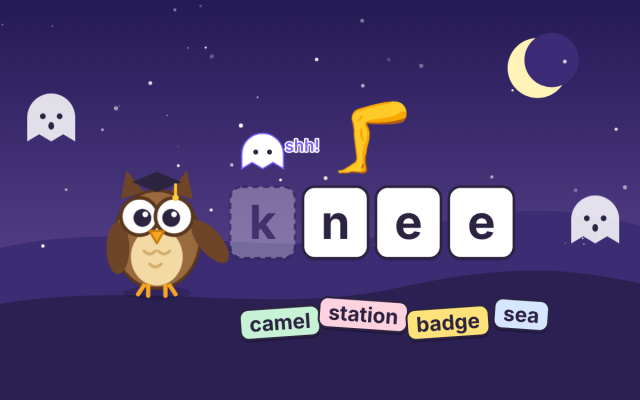
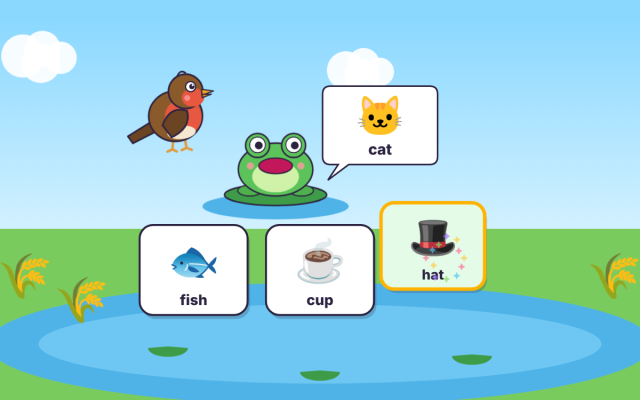
Homophones are words that sound the same but have different spellings and meanings. Echo the parrot can copy any sound, so players have to work out the meaning instead. They drag words into sentences, sort crates into -ce and -se chutes, try out a Swap Tester and type the missing spellings themselves.
Along the way they meet the noun and verb rule, memory tricks, word jobs and proofreading. A final 10-question challenge brings everything together.
Questions and answers
What is a homophone, in simple words?
A homophone is a word that sounds the same as another word but has a different spelling and meaning, like heard and herd or aisle and isle. Because your ears can't tell them apart, you choose the spelling by thinking about the meaning.
When do you use practice or practise?
In British English, practice with a c is the noun and practise with an s is the verb, so you go to football practice but you practise the piano. A handy check is to swap in advice or advise and listen for which one fits.
What is the difference between stationary and stationery?
Stationary with an a means not moving, like a parked car, while stationery with an e means paper, pens and envelopes. A popular memory trick is "e for envelopes".
What age do children learn homophones like advice and advise?
In England, children learn these words in Years 5 and 6, aged 9 to 11, as part of the national curriculum spelling list. This game is made for that age group, and confident younger spellers can try it too.
What does the homophones game include and how long does it take?
The game has five island chapters and a 10-question Champion Challenge, and takes about 50 minutes to play in full. Children can start on any island, hear every instruction read aloud and come back to finish later.
Can we count your visit? We'd like to use one cookie, only on this site, to see how families find and use TapLearn, so we can make it better. No adverts, and nothing is shared. How we measure
Create a free family account and your child can play every chapter of every game for 7 days, with no card needed. Their progress is kept. After that, the free plan is free for ever, and membership is £6.99 a month if you'd like to keep every chapter.
 TapLearn