Spelling Patterns: Catch the Ghost Letters with Wisp
Years 5 and 6: learn silent letters, word families, ough words and 'i before e except after c' by catching ghost letters with Wisp.
Online game, chapter 1 free · Years 5 and 6 (KS2) · ages 9–11 · national curriculum in England · no adverts · plays on a phone, tablet or computer · no sign-up to start.
An online English game for Years 5 and 6 (KS2). It covers the national curriculum in England, Years 5–6 english: “Spell some words with 'silent' letters”, and 1 more statement listed under the chapters.
4 short chapters, about 35 minutes in all. Children can stop after any chapter.
Start playing for free. Plays in the browser on phones, tablets and computers: no app, no adverts.
Free for teachers: every chapter on the whiteboard with a free teacher account.
Last updated · Checked against the national curriculum in England by the TapLearn team
What you'll learn
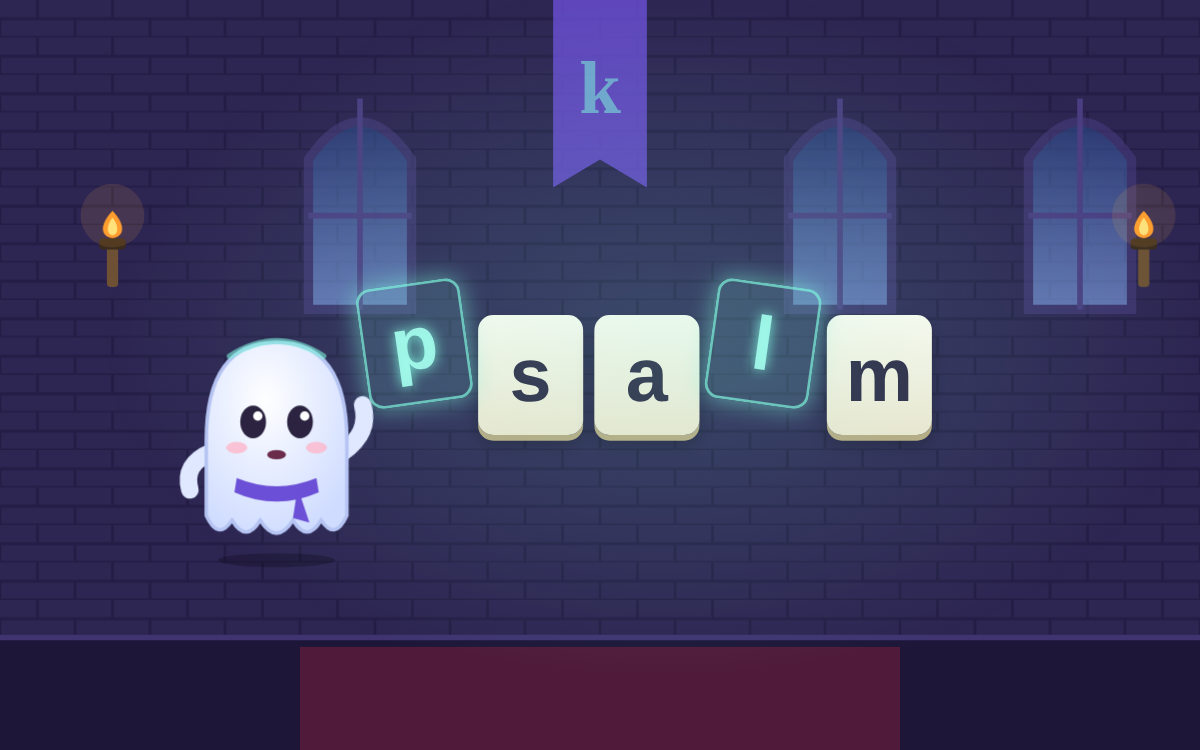
Spot and spell silent-letter words such as knight, psalm and solemn
Recognise silent-letter patterns: kn, gn, wr, mb, mn and bt
Use a related word to find a silent letter, like sign and signature
Explain why some words have silent letters, using word origins
Read and spell words with the letter string ough by sound
Choose ie or ei for the 'ee' sound and remember rule-breakers
Spot and spell words with silent letters, such as knight, psalm, doubt and island, by tapping the letter you can't hear, sorting words by pattern (kn, gn, mb, mn, stle) and typing them from dictation.
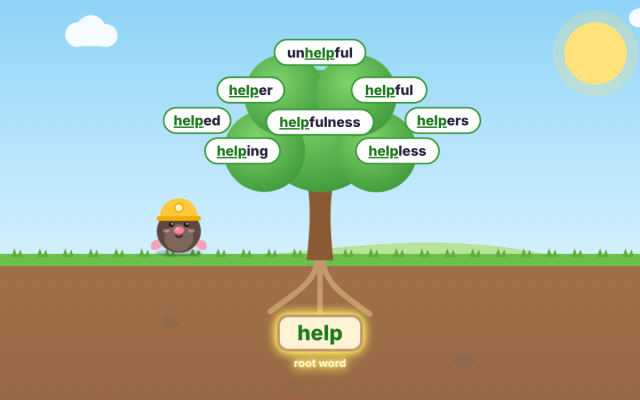
Use morphology and etymology to spell: find a relative that wakes up a silent letter (sign and signature, muscle and muscular), and discover why psalm, doubt and island have letters we no longer say.
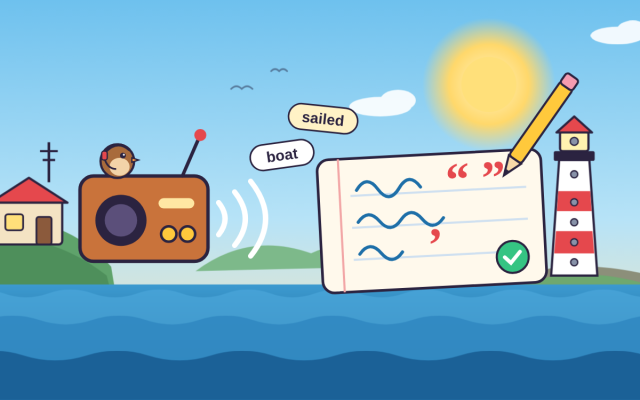
Hear the seven sounds ough can make, sort words into sound jars (bought, rough, cough, dough, through, thorough, plough), pick between though, through and thorough, then spell ough words from dictation.
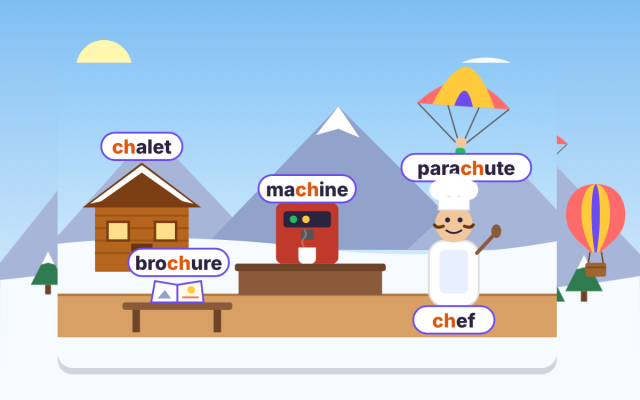
Choose ie or ei for the 'ee' sound using the rule i before e except after c, as in field and receive, and catch the words that need learning specifically: seize, protein and caffeine.
What the chapters cover in the national curriculum in England:
Years 5–6 english: Spell some words with 'silent' letters
Years 5–6 english: Use knowledge of morphology and etymology in spelling and understand that the spelling of some words needs to be learnt specifically, as listed in English appendix 1
How to play
Choose a room in Ghost Letter Castle: each room is one chapter, and the Throne Room holds the final challenge.
Each chapter opens with Wisp explaining what the child will learn, with every line read aloud and shown as a caption.
The child taps letters, sorts words into doors and jars, picks missing letters and types words on the on-screen keyboard or a real keyboard.
After a wrong answer Wisp gives a clue and the child tries again; when typing, the correct spelling appears and the child copies it.
The final challenge mixes 12 questions with one try each and gives a score out of 12.
A worked example
Spell the word muscle, as in 'Your heart is a muscle.'
Say the word: it sounds like 'mussel', so there may be a hidden letter.
Think of a word in the same family: muscular.
Say muscular slowly, mus-cu-lar, and listen: you can hear a c.
The family shares its spelling, so muscle has a c too.
Answer: muscle (m-u-s-c-l-e).
Common mistakes and how to fix them
Leaves out silent letters, writing nite for knightSay the word in a 'spelling voice' that sounds every letter (k-nigh-t), then cover it, write it and check.
Links words that only look alike, such as muscle and musicCheck the meaning: a true relative shares it. Muscular is about muscles; music is not.
Spells ough words the way they sound, writing enuff or thruPut the word in its ough sound group (rough, tough, enough) and practise the whole group together.
Mixes up though, through and thoroughMatch each to a meaning: through is in one side and out the other, though means 'but', thorough means careful and complete.
Writes ie straight after c, as in recievePoint to the letter before the gap: if it is c and the sound is 'ee', the spelling is ei.
Try it at home
Go on a silent-letter hunt around the house, on packets, signs and in books, and say each one in a robot voice that sounds the hidden letter.
Play 'wake the letter': say a word like sign or autumn and take turns finding a relative where you can hear it (signature, autumnal).
Draw seven boxes for the ough sounds (bought, rough, cough, dough, through, thorough, plough) and add words as you spot them.
Check receipts and food labels for ie and ei words, asking each time whether a c comes just before it.
In the classroom
Play the ghost hunt on the whiteboard: the class points to the silent letter before a volunteer taps it.
Use the ough jars as a starter, with children holding up fingers for the jar number before the word is sorted.
In pairs on tablets, one child reads the dictation sentence aloud while the other writes the word on a mini whiteboard, then they check it in the game.
As a plenary, ask each table to find a word family that wakes up a silent letter, such as bomb and bombard.
About this adventure
Spelling Patterns is an interactive online game for Years 5 and 6 (ages 9 to 11) that teaches the spelling of words with silent letters, the letter string ough and ei after c. It follows the Years 5 and 6 national curriculum in England: spell some words with 'silent' letters, and use knowledge of morphology and etymology in spelling, understanding that some words need to be learnt specifically.
There are four chapters and a final 12-question challenge in Ghost Letter Castle, guided by Wisp the friendly ghost. Every idea is shown and read aloud first, then the child tries it with help, then on their own. They tap the letter they can't hear, sort words through doors and into sound jars, pick missing letters and type words from dictation.
A silent letter is written but not said, like the k in knight, and is not part of a digraph like ch. A related word often reveals it (sign and signature). Some silent letters were once spoken, while others, like the b in doubt, were added by scholars. Ough can make seven sounds, and 'ee' is usually spelt ie but ei straight after c, with rule-breakers like seize.
Questions and answers
What is a silent letter, in simple words?
A silent letter is a letter you write but don't say, like the k in knight or the b in lamb. It is not the same as a digraph such as ch, where two letters work together to make one sound.
How can I help my Year 5 or Year 6 child remember silent letters?
Look for a related word where the letter can be heard, such as sign and signature, muscle and muscular, or autumn and autumnal. Saying the word in a silly voice that sounds the silent letter (lam-b, k-nife) also helps it stick.
Does 'i before e except after c' always work?
It works for words where ie or ei makes an 'ee' sound, such as field, believe, receive and ceiling. A few rule-breakers have to be learnt by heart, including seize, protein and caffeine.
What do Year 5 and Year 6 children learn about spelling patterns?
In Years 5 and 6, the national curriculum in England asks children to spell some words with silent letters, such as knight, psalm and solemn, and to use morphology and etymology in spelling. English Appendix 1 also covers words with ough and the 'ee' sound spelt ei after c.
Is there an interactive spelling patterns game for a Year 6 class?
Yes. Spelling Patterns plays in a web browser on a classroom whiteboard, tablets or computers. The class can hunt for silent letters together, vote on which jar an ough word belongs in, and write dictated words on mini whiteboards before one child types them in.
What does the Spelling Patterns game include?
It has four chapters and a final 12-question challenge, and takes about 35 minutes to play through. Every instruction, word and dictation sentence is read aloud by Wisp the ghost, so children can play on their own.
We count visits to make TapLearn better.We use one cookie, only on this site, to see how families find and use it. No adverts, and nothing is shared.One cookie, only on this site. No adverts.How we measure

 TapLearn