The Vikings: Raiders, Settlers and Kings with Krak the Raven
Learn who the Vikings were and why they came to Britain, then build a longship, map the Danelaw and order the struggle for England.
Online game, chapter 1 free · Years 3 to 6 (KS2) · ages 7–11 · national curriculum in England · no adverts · plays on a phone, tablet or computer · no sign-up to start.
An online history game for Years 3 to 6 (KS2). It covers the national curriculum in England, Years 3–6 history: “The Viking and Anglo-Saxon struggle for the Kingdom of England to the time of Edward the Confessor. Examples (non-statutory): Viking raids and invasion; resistance by Alfred the Great and Athelstan, first king of England; further Viking invasions and Danegeld; Anglo-Saxon laws and justice; Edward the Confessor and his death in 1066”.
6 short chapters, about 40 minutes in all. Children can stop after any chapter.
Start playing for free. Plays in the browser on phones, tablets and computers: no app, no adverts.
Free for teachers: every chapter on the whiteboard with a free teacher account.
Last updated · Checked against the national curriculum in England by the TapLearn team
What you'll learn
Where the Vikings came from and why they sailed to Britain
How a clinker-built longship worked and why it could land on beaches
Why monasteries like Lindisfarne were raided in 793
Where the Danelaw was and how place names like -by show settlement
What life was like in a longhouse and in trading Jorvik
How England's crown passed between Viking and Anglo-Saxon kings
Find the Viking homelands of Norway, Sweden and Denmark, sort push and pull reasons for coming to Britain, and decide whether facts about Vikings, such as horned helmets, are true or myths.
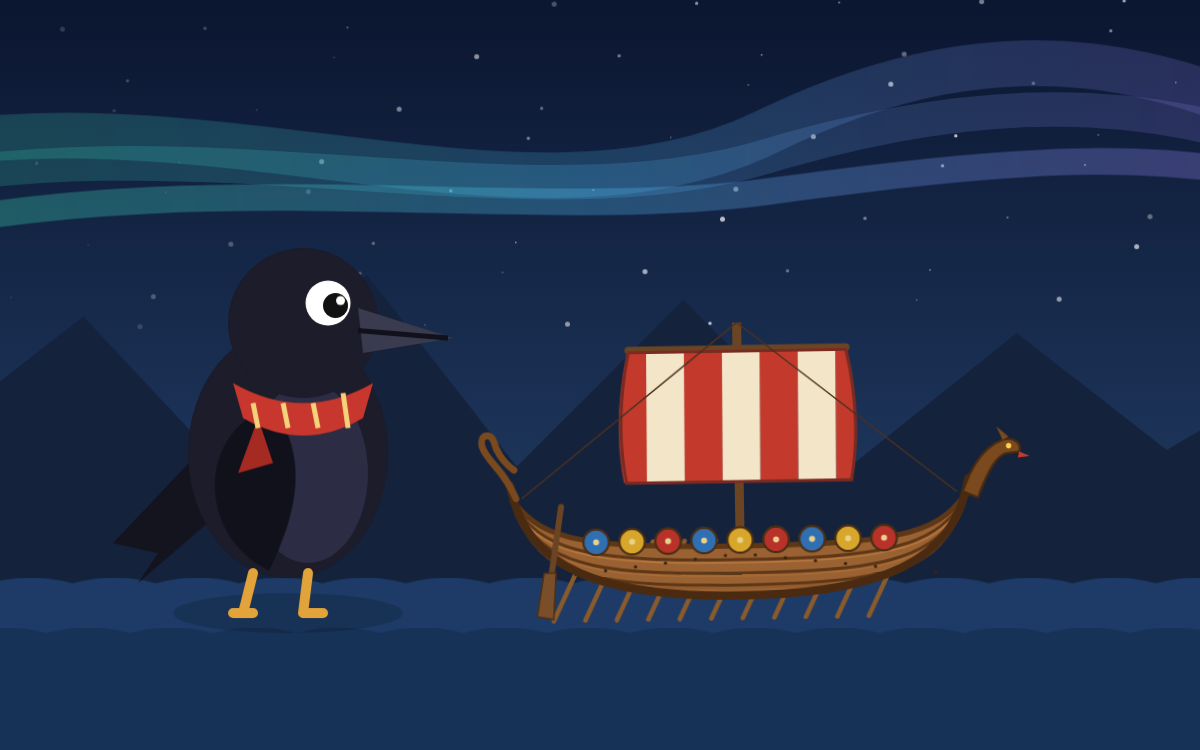
Build a longship from keel to carved prow, learning about clinker-built planks, oars, sail and steering oar, then race ships to a beach to see why a shallow hull suited raiding.
Investigate why the monastery at Lindisfarne was raided in 793, consider the Anglo-Saxon Chronicle as a biased source, and see raids grow into the Great Heathen Army of 865.
Discover what the Great Army did to each Anglo-Saxon kingdom, mark the Danelaw on a map of England, and sort towns by Old Norse endings like -by, -thorpe and -thwaite as settlement evidence.
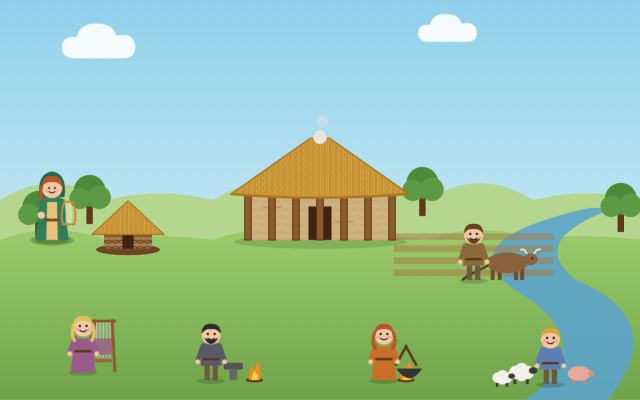
Build a longhouse with its central hearth, benches and animals, match tools to Viking jobs, and trace finds from Jorvik such as silk, amber and cowrie shells to faraway trading places.
Follow the struggle for the Kingdom of England in a tug of war, from the Great Army to Cnut, then put key events from 793 to Edward the Confessor in chronological order.
What the chapters cover in the national curriculum in England:
Years 3–6 history: The Viking and Anglo-Saxon struggle for the Kingdom of England to the time of Edward the Confessor. Examples (non-statutory): Viking raids and invasion; resistance by Alfred the Great and Athelstan, first king of England; further Viking invasions and Danegeld; Anglo-Saxon laws and justice; Edward the Confessor and his death in 1066
About this adventure
The Vikings: Raiders, Settlers and Kings is an interactive history game that teaches children aged 7–11 who the Vikings were, why they raided and settled in Britain, and how they fought the Anglo-Saxons for the Kingdom of England.
Guided by Krak the raven, players find Norway, Sweden and Denmark on a map, sort push and pull reasons for leaving home, and bust the horned-helmet myth. They build a clinker-built longship part by part, test why its shallow hull could land on a beach, and investigate the raid on Lindisfarne in 793 using the Anglo-Saxon Chronicle as a source.
Later they watch the Great Heathen Army conquer kingdoms, mark the Danelaw, use place-name endings such as -by and -thorpe as evidence, build a longhouse, trace trade goods found in Jorvik and put events from 793 to Edward the Confessor in order.
Questions and answers
Who were the Vikings, in simple words?
The Vikings were people from Norway, Sweden and Denmark who sailed across the sea between about 793 and 1066. Some raided, but most were farmers, craftworkers and traders, and many settled in Britain.
Why did the Vikings come to Britain?
The Vikings came to Britain because good farmland was scarce at home and Britain had rich land, trade and treasure. Unguarded monasteries such as Lindisfarne were easy targets for the first raiders.
What was the Danelaw?
The Danelaw was the area of north and east England ruled by Vikings after about 878, where Danish law was used. Place names ending in -by, -thorpe and -thwaite still show where Vikings settled.
What age is this Vikings game for?
The game is written for children aged 7 to 11 in Years 3 to 6, matching the KS2 history study of the Viking and Anglo-Saxon struggle for England. It suits Year 5 especially well.
What does the Vikings game include and how long does it take?
It has six narrated chapters, each with an animated introduction and hands-on activities, plus a ten-question final challenge. Playing everything takes about 40 minutes, and children can start from any chapter.
We count visits to make TapLearn better.We use one cookie, only on this site, to see how families find and use it. No adverts, and nothing is shared.One cookie, only on this site. No adverts.How we measure

 TapLearn