Past and Present: A Time Detective Game with Ollie
Learn about past and present: use time words, spot old and new objects, build timelines and find clues about the past in a museum adventure.
Online game, chapter 1 free · Years 1 and 2 (KS1) · ages 5–7 · national curriculum in England · no adverts · plays on a phone, tablet or computer · no sign-up to start.
An online history game for Years 1 and 2 (KS1). It covers the national curriculum in England, Years 1–2 history: “Develop an awareness of the past, using common words and phrases relating to the passing of time”, and 3 more statements listed under the chapters.
5 short chapters, about 35 minutes in all. Children can stop after any chapter.
Start playing for free. Plays in the browser on phones, tablets and computers: no app, no adverts.
Free for teachers: every chapter on the whiteboard with a free teacher account.
Last updated · Checked against the national curriculum in England by the TapLearn team
What you'll learn
Use yesterday, today, tomorrow, past, present and future correctly
Spot clues that show whether an object is old or new
Put people, objects and years in order on a timeline
What living memory means and how far back it reaches
How photos, artefacts, writing and memories tell us about the past
Tell real history from cartoons and made-up stories
Chapter by chapter
Time words: yesterday, today and tomorrow, and past, present and futureStart playing for free
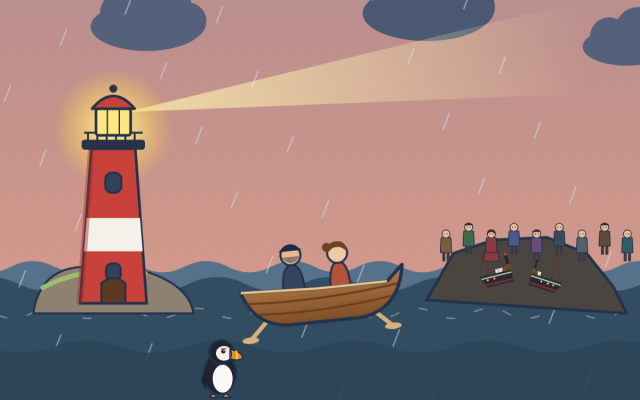
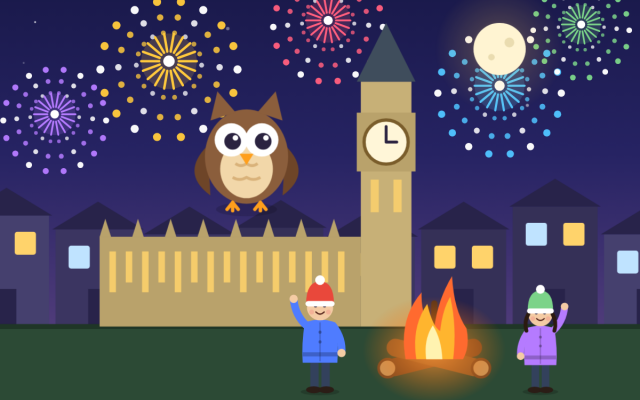
Learn the common words for the passing of time by sorting Ollie's cake pictures into yesterday, today and tomorrow, walking the past, present and future path, and choosing what came before and after.
Years 1–2 history · 1Years 1–2 history · 2
Old and new: spotting clues that an object comes from long ago
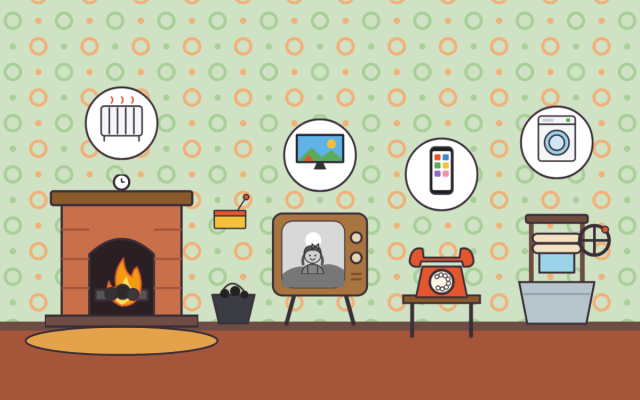
Find the clues on a sixty-year-old dial telephone, sort objects such as a gramophone and a smartphone into long ago and now, compare how old and new things do the same job, and learn the words modern, ancient and artefact.
Years 1–2 history · 3Years 1–2 history · 2
Timelines: putting people, objects and events in order from oldest to newest
Build timelines from oldest to newest with Sam's photos, four generations of a family, telephones and the years 1826 and 1967, and discover what living memory means and how far back it goes.
Years 1–2 history · 1Years 1–2 history · 3
How we know: finding out about the past from photos, objects, writing and memories
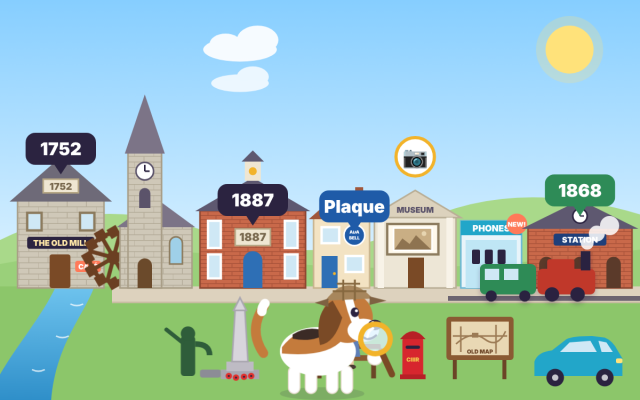
Meet the four kinds of historical source, spot clues in a street photo from a hundred years ago, colour it in to see that the past was never grey, ask Grandad about his childhood and pick the best source for each question.
Years 1–2 history · 4Years 1–2 history · 2
Real or made up? Different ways the past is shown in museums, pictures and stories
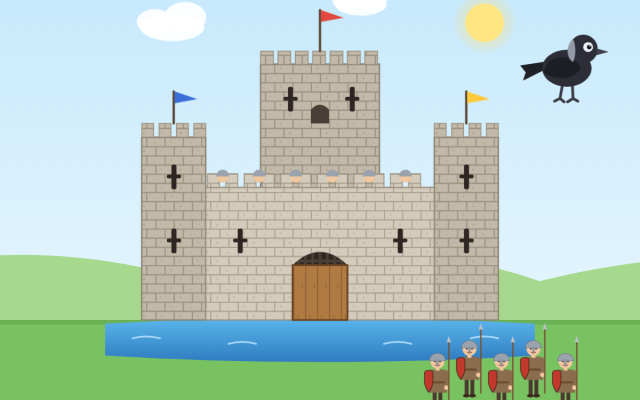
Compare how museums, photos, paintings and cartoons represent the past, sort real clues from made-up stories, travel a rope timeline to see that people never lived with dinosaurs, and curate a museum display of real objects.
What the chapters cover in the national curriculum in England:
Years 1–2 history: Develop an awareness of the past, using common words and phrases relating to the passing of time
Years 1–2 history: Use a wide vocabulary of everyday historical terms
Years 1–2 history: Know where the people and events they study fit within a chronological framework and identify similarities and differences between ways of life in different periods
Years 1–2 history: Understand some of the ways in which we find out about the past and identify different ways in which it is represented
About this adventure
Past and Present is an interactive history game for children aged 5–7 that teaches time words, how to order things on a timeline and how we find out about the past.
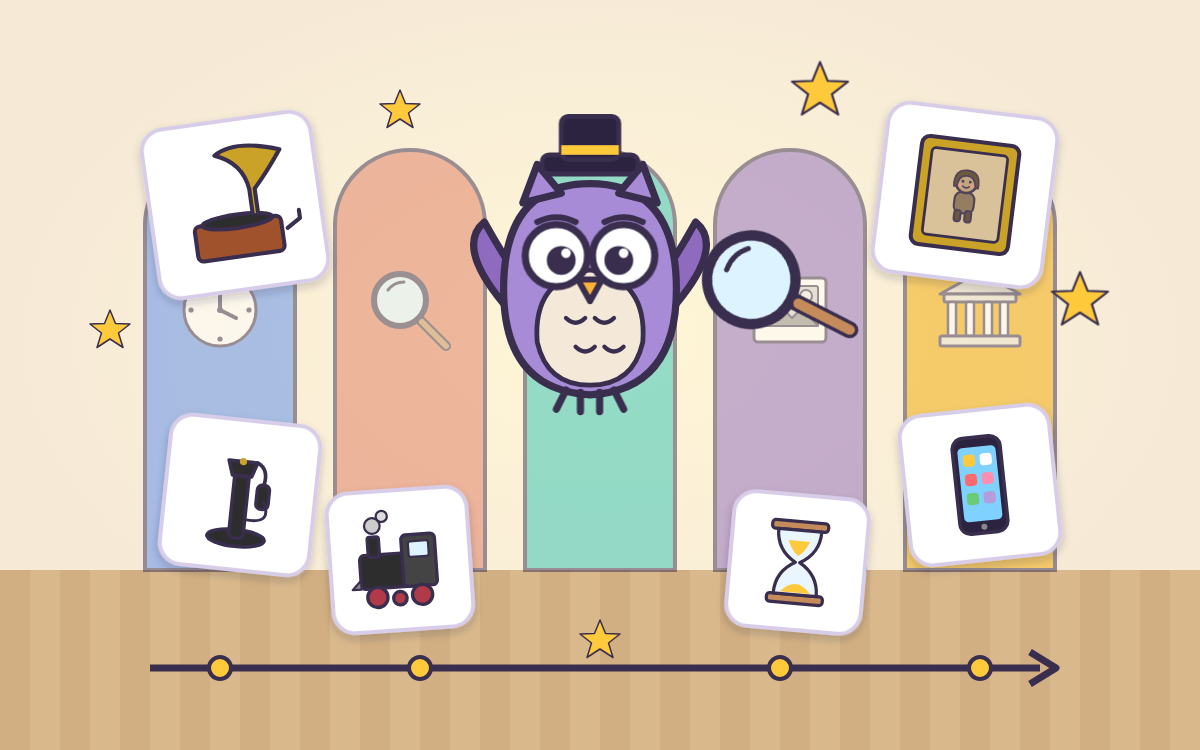
Ollie the owl looks after the Time Museum, and each room is a hands-on challenge. Children drag pictures to yesterday, today and tomorrow, sort objects into long ago and now, and put photos, phones and years in order from oldest to newest. They meet living memory: what older people can still remember.
In the detective rooms they examine an old street photo, bring its colours back, ask Grandad questions and choose the best clue: a photo, an object, writing or a memory. Finally they sort real history from made-up stories and learn why people never rode dinosaurs. Every line is read aloud, so early readers can play on their own.
Questions and answers
How do we know about the past, in simple words?
We use clues. Old photos show what people and places looked like, artefacts show how people did things, writing like letters and diaries records what people thought, and older people can tell us what they remember.
Was the world black and white in the past?
No, the world was always full of colour. Early cameras could only make black and white photos, and colour TV did not start in Britain until 1967, so pictures from long ago often look grey.
What does living memory mean for KS1 history?
Living memory means the events that people alive today can still remember, which reaches back about a hundred years. Grandparents can remember their own childhoods, but nobody alive can remember events from long before that.
What age is this past and present game for?
It is made for children aged 5 to 7 in Years 1 and 2. Every instruction is read aloud and the activities use pictures, dragging and tapping, so children who are still learning to read can play independently.
What does the game include and how long does it take?
It has five museum rooms covering time words, old and new objects, timelines, historical sources, and real versus made-up history, plus a ten-question challenge with a certificate. Playing everything takes about 35 minutes.
We count visits to make TapLearn better.We use one cookie, only on this site, to see how families find and use it. No adverts, and nothing is shared.One cookie, only on this site. No adverts.How we measure
 TapLearn