Castles and Knights: Explore a Medieval Castle with Jax
Learn why castles were built, what life inside was like and how knights trained, then build, defend and explore a medieval castle with Jax.
Online game, chapter 1 free · Years 1 and 2 (KS1) · ages 5–7 · national curriculum in England · no adverts · plays on a phone, tablet or computer · no sign-up to start.
An online history game for Years 1 and 2 (KS1). It covers the national curriculum in England, Years 1–2 history: “Develop an awareness of the past, using common words and phrases relating to the passing of time”, and 2 more statements listed under the chapters.
5 short chapters, about 35 minutes in all. Children can stop after any chapter.
Start playing for free. Plays in the browser on phones, tablets and computers: no app, no adverts.
Free for teachers: every chapter on the whiteboard with a free teacher account.
Last updated · Checked against the national curriculum in England by the TapLearn team
What you'll learn
Castles were built in the Middle Ages, about 1,000 years ago
Why the Normans built motte and bailey castles after 1066
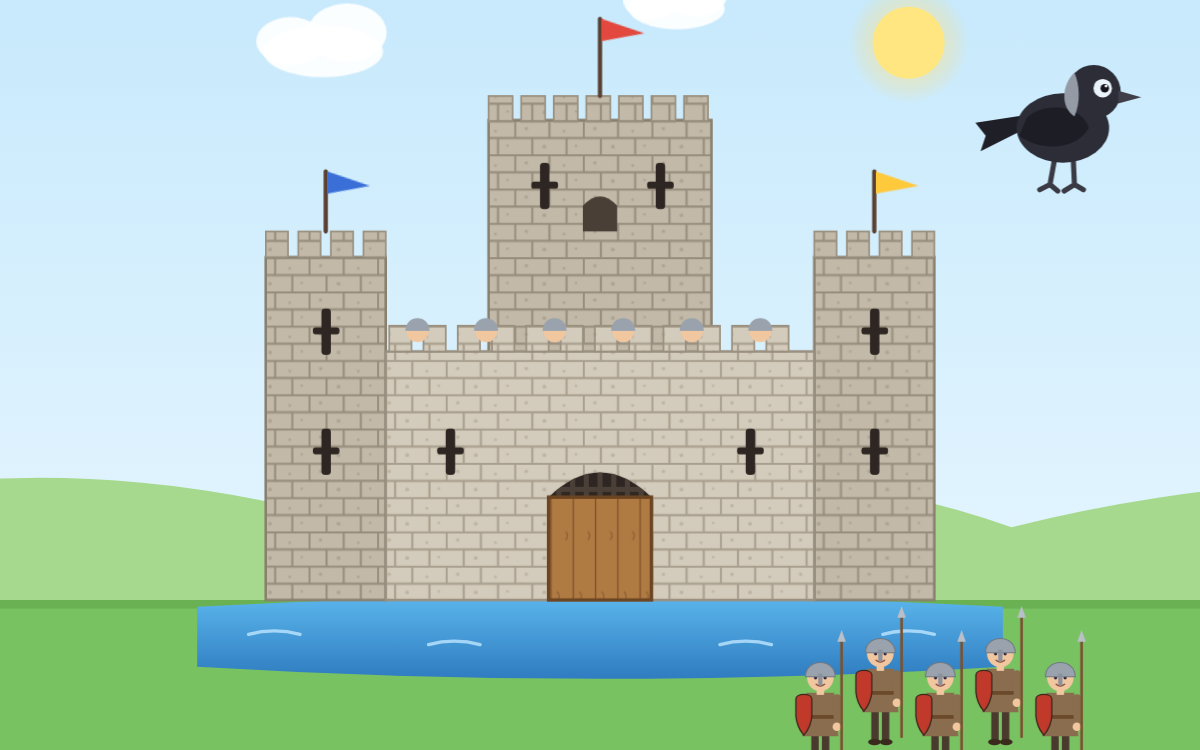
Names and jobs of castle parts: moat, drawbridge, portcullis, keep
How castle life differed from life today, and what stayed the same
The steps to knighthood: page, squire, then knight
How ruins, the Bayeux Tapestry and finds tell us about the past
Chapter by chapter
When and why castles were builtStart playing for free
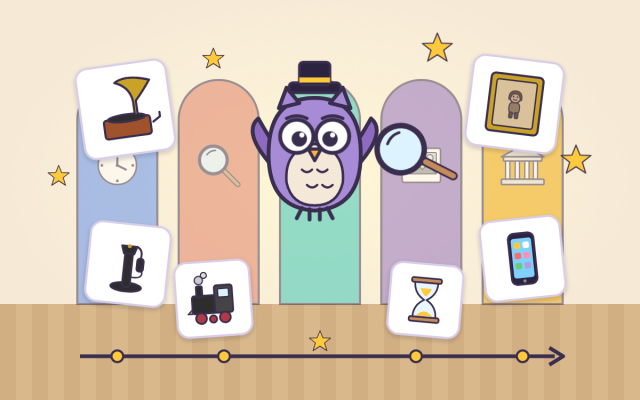
Place castles long ago on a time line, hear how the Normans arrived in 1066, then build a motte and bailey castle and learn why stone replaced wood.
Years 1–2 history · 1Years 1–2 history · 2
Parts of a castle
Learn the words moat, drawbridge, portcullis, battlements, arrow slits and keep, then use each part to defend a castle from attack and label them.
Years 1–2 history · 1
Life in a castle, then and now
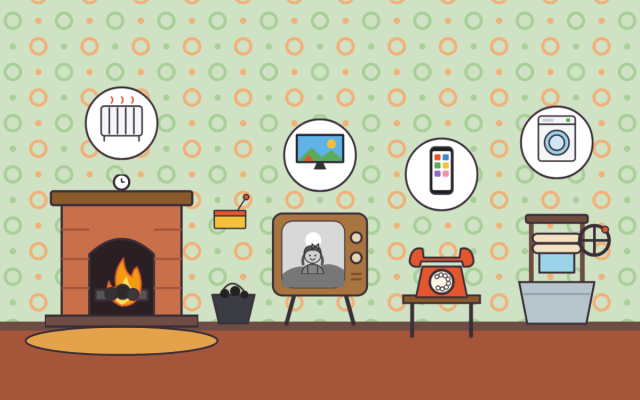
Explore the Great Hall to compare castle life with life today, from candles and wells to straw beds, and spot what is different and what is the same.
Years 1–2 history · 1Years 1–2 history · 2
Knights and how they trained
Put page, squire and knight in order, dress a knight from padded tunic to chain mail and helmet, design a coat of arms and practise at the quintain.
Years 1–2 history · 1Years 1–2 history · 2
How we know about castles
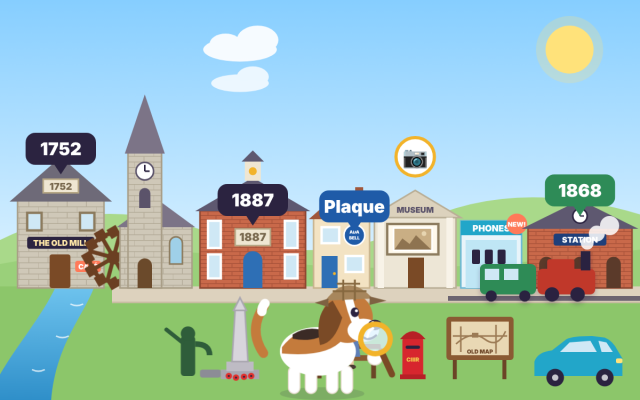
Find out about the past from clues in a castle ruin, the Bayeux Tapestry, old writing and objects archaeologists dig up, then sort real clues from made-up stories.
What the chapters cover in the national curriculum in England:
Years 1–2 history: Develop an awareness of the past, using common words and phrases relating to the passing of time
Years 1–2 history: Know where the people and events they study fit within a chronological framework and identify similarities and differences between ways of life in different periods
Years 1–2 history: Understand some of the ways in which we find out about the past and identify different ways in which it is represented
About this adventure
Castles and Knights is an interactive history game for children aged 5–7 that teaches when and why castles were built, what life in a medieval castle was like compared with today, and how we know about castles from long ago. It follows the KS1 history curriculum for Years 1 and 2.
Guided by Jax the jackdaw, children place a castle on a time line, sail with William to England in 1066 and build a Norman motte and bailey castle, then rebuild it in stone when fire arrows strike. They defend a castle using the moat, drawbridge, portcullis, arrow slits and battlements, explore the Great Hall and sort things from long ago and today.
Later they help a page grow into a squire and then a knight, dress him in chain mail and design a coat of arms. As history detectives, they hunt for clues in a castle ruin, meet the Bayeux Tapestry and decide which castles are real and which come from stories.
Questions and answers
Why were castles built?
Castles were built to keep the people inside safe and to show everyone who was in charge. In England, the Normans built many castles after William the Conqueror won the Battle of Hastings in 1066, so they could control the land.
What is a motte and bailey castle?
A motte and bailey castle was an early castle made of earth and wood. The motte was a big hill of earth with a wooden tower on top, and the bailey was a fenced yard beside it. Later, many were rebuilt in stone because wood burns.
How did a boy become a knight in the Middle Ages?
A boy usually became a page at about seven, serving food and learning manners. At about fourteen he became a squire, looking after a knight's horse and armour, and at around twenty-one he could be made a knight himself.
What age is the Castles and Knights game for?
The game is made for children aged 5 to 7, in Year 1 and Year 2. It matches the KS1 history curriculum, with spoken instructions, short sentences and lots of tapping and dragging, so early readers can play it.
What does the Castles and Knights game include?
It has five chapters, each with an animated introduction, hands-on activities and a quick check, plus a ten-question Castle Champion Challenge at the end. Playing everything takes about 35 minutes, and chapters can be played in any order.
We count visits to make TapLearn better.We use one cookie, only on this site, to see how families find and use it. No adverts, and nothing is shared.One cookie, only on this site. No adverts.How we measure
 TapLearn