What you'll learn
- Multiply 4-digit numbers by a 1-digit number using short multiplication
- Carry the tens digit into the next column after multiplying
- Split 2-digit numbers into tens and ones with an area model
- Why the tens row in long multiplication starts with a placeholder zero
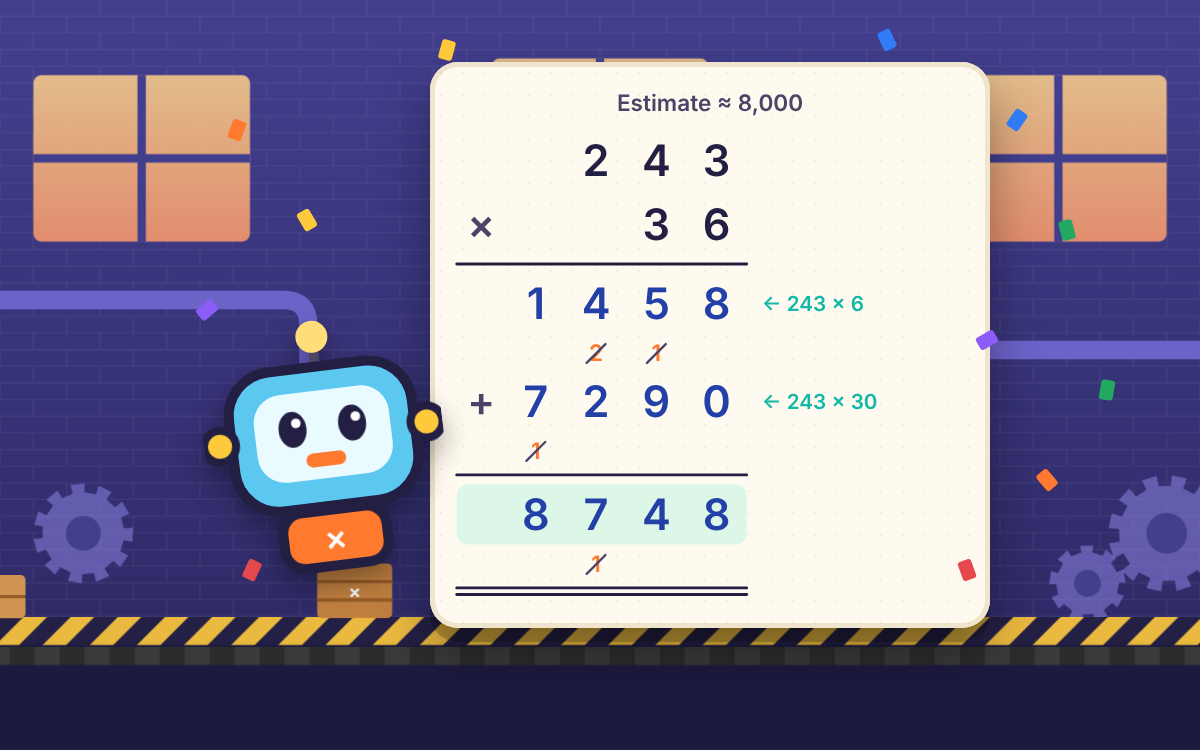
- Multiply 3- and 4-digit numbers by 2-digit numbers in columns
- Estimate by rounding to check that an answer makes sense
Chapter by chapter
- Short multiplication: 4-digit numbers × 1-digit numbers Free to try
Year 5 maths · 1
- Multiplying 2-digit numbers with an area model (tens and ones parts)
Year 5 maths · 1
- Long multiplication: 2-digit × 2-digit numbers with a placeholder zero
Year 5 maths · 1
- Long multiplication: 3- and 4-digit numbers × 2-digit numbers, checked with an estimate
Year 5 maths · 1
- Solving word problems with short and long multiplication
Year 5 maths · 1
- Factory Master Challenge (10 questions)
See every Maths chapter in the chapter library
What the chapters cover in the national curriculum in England:
- Year 5 maths: Multiply numbers up to 4 digits by a one- or two-digit number using a formal written method, including long multiplication for two-digit numbers
About this adventure
Long Multiplication Factory is an interactive maths game that teaches children aged 9–11 how to multiply numbers up to 4 digits by a 1- or 2-digit number using short and long multiplication, as taught in Year 5.
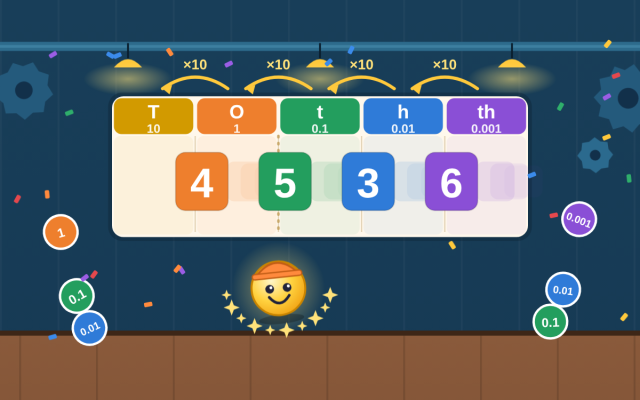
Bolt the factory robot guides players through five broken machines. They exchange place value counters, split a floor of tiles into an area model, then type every digit and carried number into real columns. In long multiplication they multiply by the ones digit, write a placeholder zero, multiply by the tens digit and add the two rows, known as partial products.
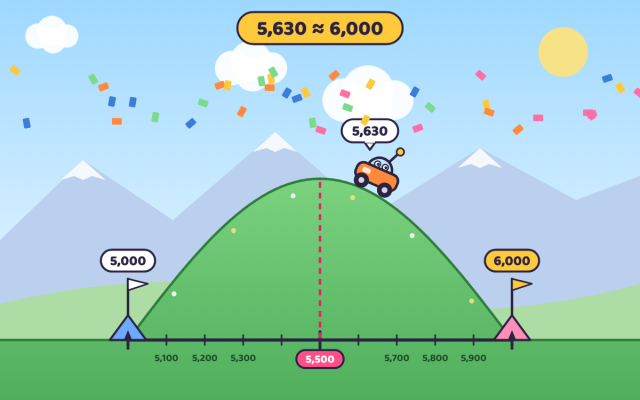
When an answer is wrong, the game spots the likely slip, such as a forgotten carry or a missing zero, and gives a matching hint. Players also round numbers to estimate, so they can tell when an answer is ten times too big or too small.
Questions and answers
How do you do long multiplication, step by step?
Write the bigger number on top and multiply it by the ones digit of the bottom number. Then write a zero in the ones column and multiply by the tens digit. Finally, add the two rows together to get the answer.
Why do you put a zero in long multiplication?
The zero is there because the second row multiplies by tens, not ones. In 36 × 24 the 2 means 20, so 36 × 20 = 720. The zero holds the ones place; leaving it out makes that row ten times too small.
What is the difference between short and long multiplication?
Short multiplication multiplies by a single digit and needs one row of working. Long multiplication multiplies by a number with two or more digits, so it uses one row for each digit and then adds the rows together.
What age do children learn long multiplication?
Children in England usually meet long multiplication in Year 5, aged 9 to 10, and practise it with larger numbers in Year 6. This game suits ages 9 to 11 and starts with short multiplication before moving on.
What is in the Long Multiplication Factory game and how long does it take?
The game has five chapters, an optional warm-up and a 10-question final challenge, taking about 50 minutes in total. Each chapter can be played on its own, and every answer is typed into columns with spoken guidance from Bolt.



 TapLearn