Learn how we see: light travels in straight lines into our eyes. Test it with cards and mirrors, trace rays, and explain shadow shapes.
Online game, chapter 1 free · Year 6 (KS2) · ages 9–11 · national curriculum in England · no adverts · plays on a phone, tablet or computer · no sign-up to start.
An online science game for Year 6 (KS2). It covers the national curriculum in England, Year 6 science: “Recognise that light appears to travel in straight lines”, and 3 more statements listed under the chapters.
4 short chapters, about 35 minutes in all. Children can stop after any chapter.
Start playing for free. Plays in the browser on phones, tablets and computers: no app, no adverts.
Free for teachers: every chapter on the whiteboard with a free teacher account.
Last updated · Checked against the national curriculum in England by the TapLearn team
What you'll learn
Light travels in straight lines, out in all directions from a light source
How to draw a ray diagram with arrows pointing the right way
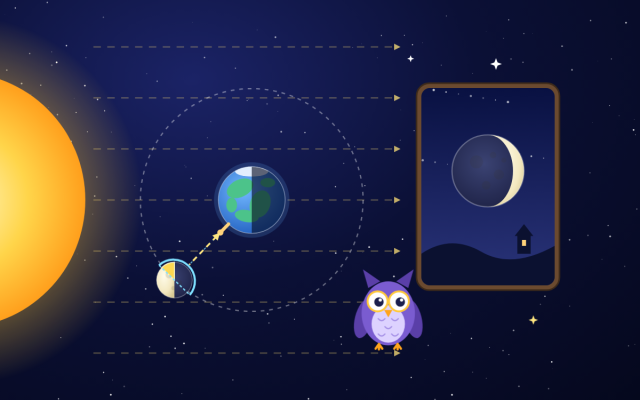
Why the Moon and mirrors are reflectors, not light sources
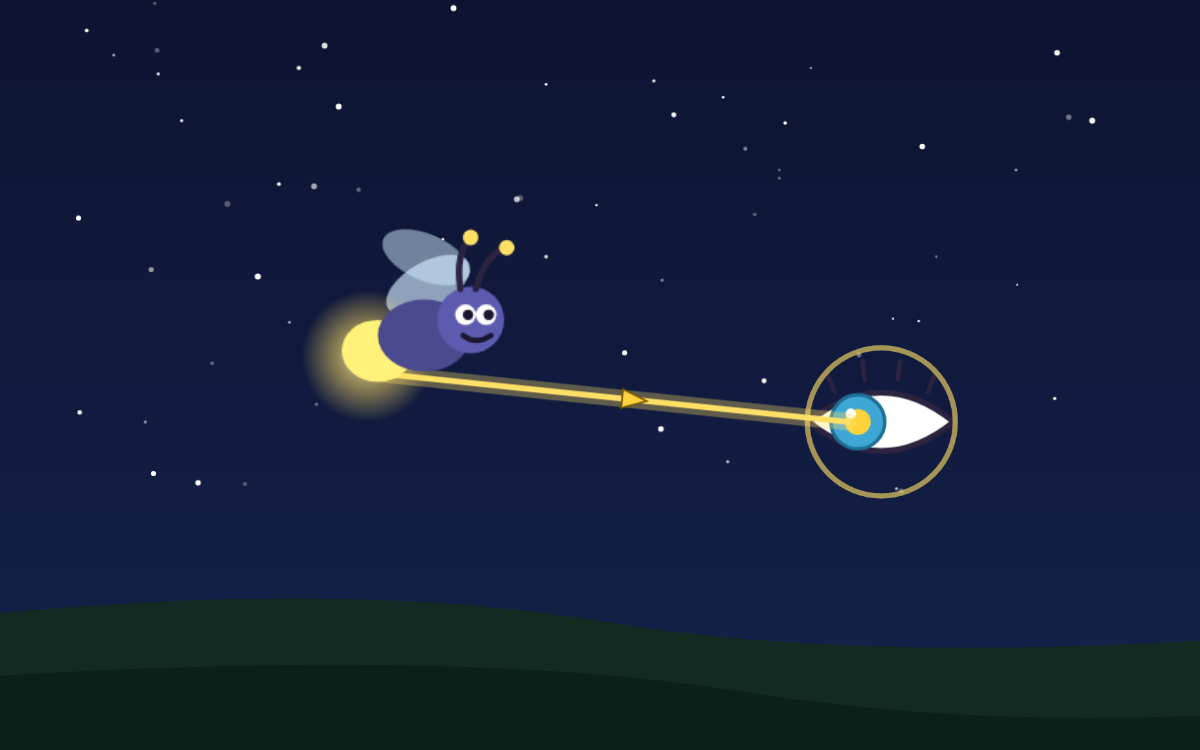
We see light sources because their light travels into our eyes
We see objects because light reflects off them into our eyes
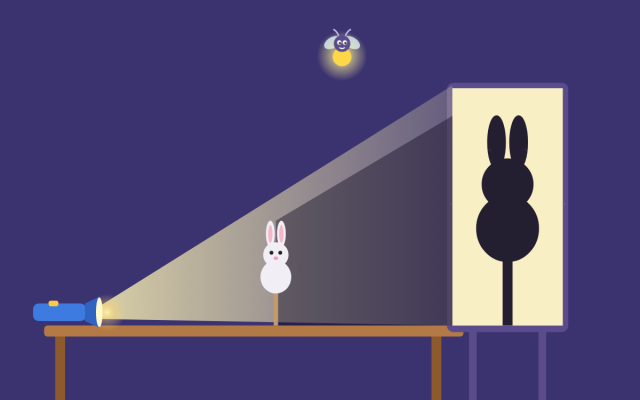
Why a shadow has the same outline shape as its object
Chapter by chapter
Light travels in straight linesStart playing for free
Recognise that light travels in straight lines, out in all directions from a source, by lining up three cards with holes and choosing the correct ray diagram with arrows.
Year 6 science · 1
Seeing light sources: light travels into our eyes
Explain that we see light sources because light travels from them in a straight line into our eyes, by sorting sources from reflectors and drawing rays from a candle and a screen.
Year 6 science · 2Year 6 science · 3
Seeing objects: light reflects into our eyes
Explain that we see objects because light travels from a source, reflects off them and travels into our eyes, by tracing light to a book, a football and the Moon, then steering it with mirrors.
Use the idea that light travels in straight lines to explain why shadows have the same shape as the objects that cast them, using rays in a shadow puppet theatre.
What the chapters cover in the national curriculum in England:
Year 6 science: Recognise that light appears to travel in straight lines
Year 6 science: Use the idea that light travels in straight lines to explain that objects are seen because they give out or reflect light into the eye
Year 6 science: Explain that we see things because light travels from light sources to our eyes or from light sources to objects and then to our eyes
Year 6 science: Use the idea that light travels in straight lines to explain why shadows have the same shape as the objects that cast them
About this adventure
How We See is an interactive science game that teaches children aged 9–11 how light travels in straight lines, how that lets us see things, and why shadows have the same shape as the objects that cast them. It follows the Year 6 light topic in the national curriculum for England, and Lumi the firefly reads every step aloud.
Players switch on a torch in a dusty lab, line up three cards with holes so a candle can be seen, and draw ray diagrams with arrows. They sort light sources from reflectors, find out why the Moon only reflects sunlight, and trace light from a source, off an object and into the eye. Along the way they meet a common mistake: the idea that eyes send out light.
They also steer a beam with mirrors, see how a periscope works, and build a scientific explanation of shadow shapes in a shadow puppet theatre.
Questions and answers
How do we see things, in simple words?
We see things because light travels into our eyes. Light sources, such as the Sun or a lamp, give out light. Other objects reflect some of that light, and the light that travels in a straight line into our eyes lets us see them.
Do our eyes send out light to see?
No, our eyes never send out light; they only receive it. Some ancient Greek thinkers believed eyes sent out rays, but about 1,000 years ago the scientist Ibn al-Haytham showed that light travels into the eye. That is why nobody can see in total darkness.
Why does a shadow have the same shape as the object?
A shadow has the same shape because light travels in straight lines and cannot bend round the edges of an object. The object blocks the light, so the dark patch behind it takes the object's outline, without any of its colours or details.
What age is the How We See game for?
It is for children aged 9 to 11 and is pitched at Year 6 science in England. Every line is read aloud with captions, and younger children who already know that light is needed to see can play it with a little help.
What does the How We See game include and how long does it take?
It has four chapters, an optional Year 3 light refresher and a 10-question Light Detective Challenge, taking about 35 minutes in total. Each chapter opens with an animated introduction and works on its own, so children can play it in short sessions.
We count visits to make TapLearn better.We use one cookie, only on this site, to see how families find and use it. No adverts, and nothing is shared.One cookie, only on this site. No adverts.How we measure
 TapLearn