What the chapters cover in the national curriculum in England:
Year 6 english: Word: the difference between vocabulary typical of informal speech and vocabulary appropriate for formal speech and writing
Years 5–6 english: Develop their understanding of the concepts set out in English appendix 2 by: recognising vocabulary and structures that are appropriate for formal speech and writing, including subjunctive forms
Year 6 english: Sentence: the difference between structures typical of informal speech and structures appropriate for formal speech and writing
Years 1–6 english: Select and use appropriate registers for effective communication
Years 5–6 english: Evaluate and edit by: ensuring correct subject and verb agreement when using singular and plural, distinguishing between the language of speech and writing and choosing the appropriate register
About this adventure
Formal and Informal Language is an interactive game that teaches children aged 10–11 how to choose between chatty and formal English, matching the Year 6 English curriculum in England. Mina the mynah bird guides players along Register Street, swapping her cap for a top hat whenever the language turns formal.
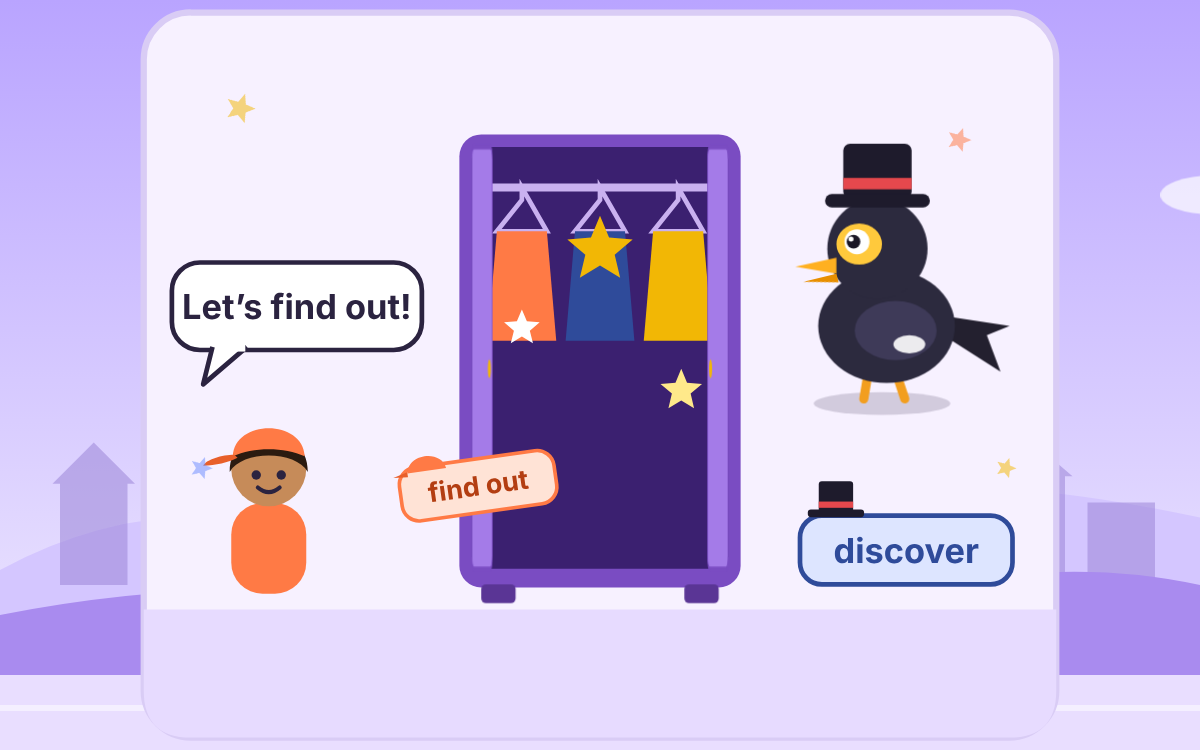
Children send informal phrases through a wardrobe to find their formal partners, hunt for question tags (short questions such as isn't it? Tacked onto a statement) and drop coins into a wishing well to practise the subjunctive, the special verb form in If I were. They also turn a register dial, where register means the style of language chosen to suit the audience and purpose, and strip speech fillers like um out of written notes.
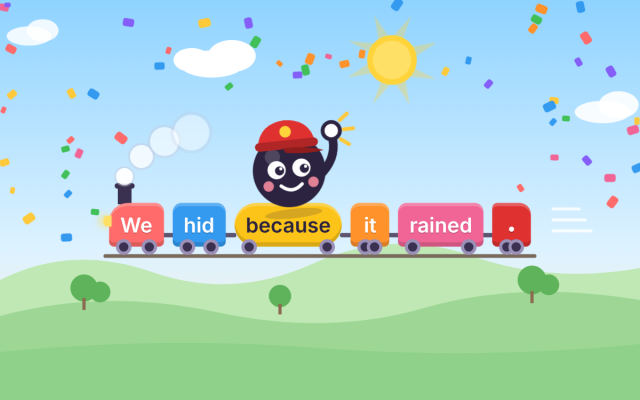
Finally, they edit a letter so every subject agrees with its verb, then try a 10-question challenge.
Questions and answers
What is the difference between formal and informal language?
Formal language is careful, polite English used for important people, official letters and reports, while informal language is the relaxed, chatty English we use with friends and family. Formal writing often replaces phrases like find out or ask for with single words such as discover or request.
What is the subjunctive form in Year 6 grammar?
The subjunctive is a special verb form used in very formal English for wishes and imagined situations, such as If I were you or Were they to come. In everyday conversation people often say If I was, which is fine informally.
What is a question tag?
A question tag is a short question added to the end of a statement to check that the listener agrees, as in It's cold, isn't it? Question tags are chatty, so formal writing asks the question directly instead, for example Have you read the rules?
What age is this formal and informal language game for?
The game is designed for children aged 10 to 11 and matches Year 6 English in England. Every line is read aloud and shown as a caption, and optional warm-ups on synonyms and on was or were help children who need a refresher first.
What does the formal and informal language game include and how long does it take?
It has five chapters, each with an animated introduction and hands-on activities such as sorting, tile building and typed answers, plus a 10-question Champion Challenge. Playing everything takes about 50 minutes, and children can start any chapter from the street map.
Can we count your visit? We'd like to use one cookie, only on this site, to see how families find and use TapLearn, so we can make it better. No adverts, and nothing is shared. How we measure
Create a free family account and your child can play every chapter of every game for 7 days, with no card needed. Their progress is kept. After that, the free plan is free for ever, and membership is £6.99 a month if you'd like to keep every chapter.
 TapLearn