What you'll learn
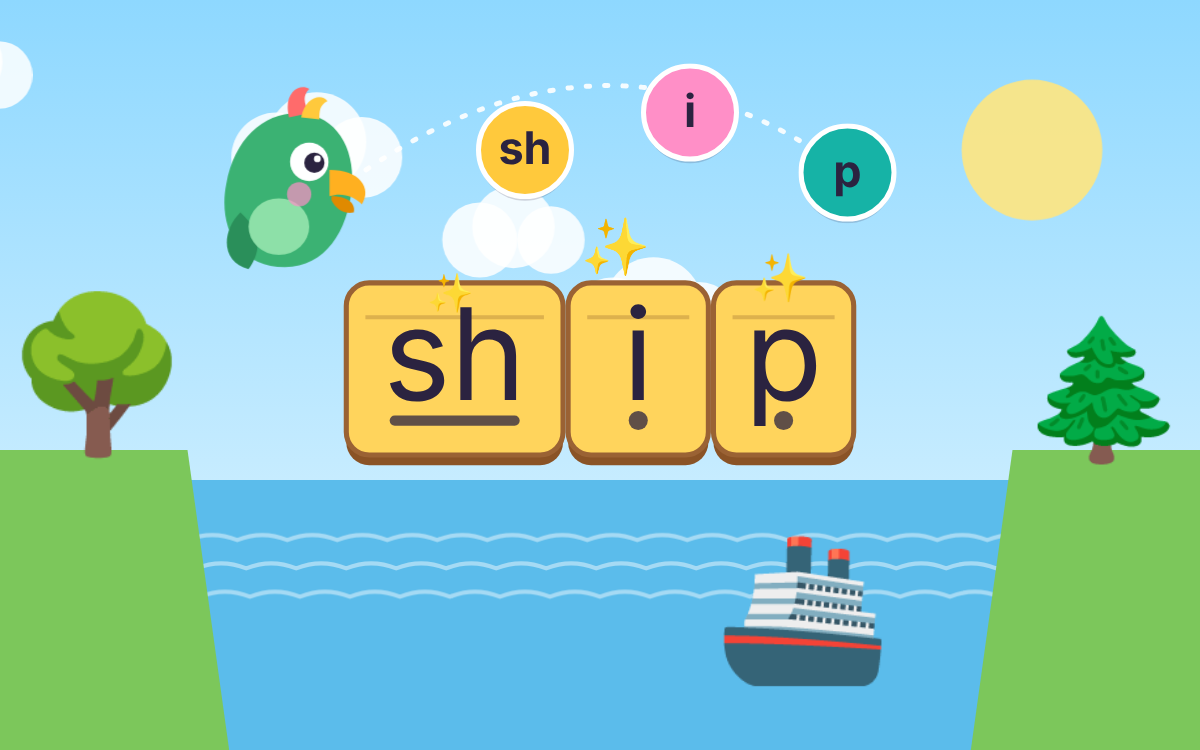
- How to blend phonemes, including digraphs and trigraphs, to read new words
- That one grapheme can make different sounds, like ow in snow and cow
- How to split long words into syllables and read them chunk by chunk
- How to find the root word and read suffixes like -ful and -ness
- How to segment spoken words into phonemes and choose a grapheme for each
- New spellings for known sounds and common homophones like sea and see
Chapter by chapter
- Sound out and blend: decoding new words Free to try
Year 2 english · 1 Year 2 english · 2
- Alternative sounds: one spelling, different sounds
Year 2 english · 2
- Longer words: reading two and three syllables
Year 2 english · 3
- Word endings: reading words with suffixes
Year 2 english · 4
- Quick reading: familiar words without sounding out
Year 2 english · 5 Year 2 english · 1
- Spelling by sounds: segmenting words into phonemes
Year 2 english · 6
- New ways to spell sounds you know
Year 2 english · 7
- Homophones: words that sound the same
Year 2 english · 7
- Word Island Challenge (12 questions)
What the chapters cover in the national curriculum in England:
- Year 2 english: Continue to apply phonic knowledge and skills as the route to decode words until automatic decoding has become embedded and reading is fluent
- Year 2 english: Read accurately by blending the sounds in words that contain the graphemes taught so far, especially recognising alternative sounds for graphemes
- Year 2 english: Read accurately words of two or more syllables that contain the same graphemes as above
- Year 2 english: Read words containing common suffixes
- Year 2 english: Read most words quickly and accurately, without overt sounding and blending, when they have been frequently encountered
- Year 2 english: Spell by: segmenting spoken words into phonemes and representing these by graphemes, spelling many correctly
- Year 2 english: Spell by: learning new ways of spelling phonemes for which 1 or more spellings are already known, and learn some words with each spelling, including a few common homophones
About this adventure
Year 2 Phonics: Word Island is an interactive game that teaches children aged 6–7 the Year 2 phonics skills from the English national curriculum: blending to read, alternative sounds, longer words, suffixes, quick reading and spelling.
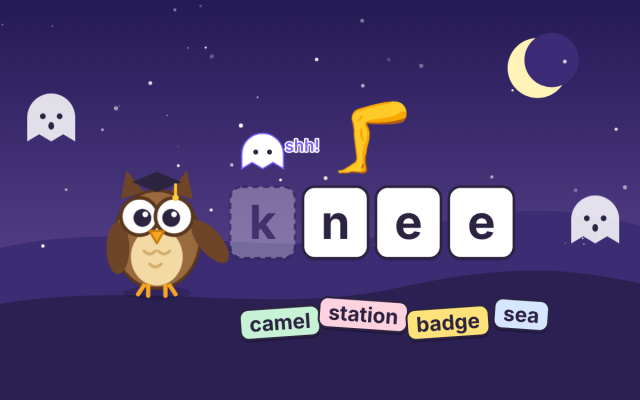
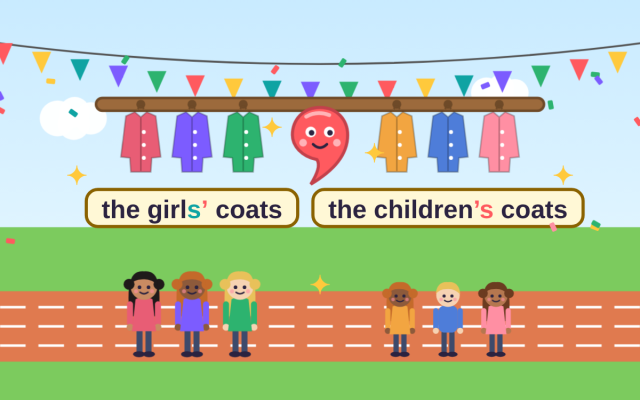
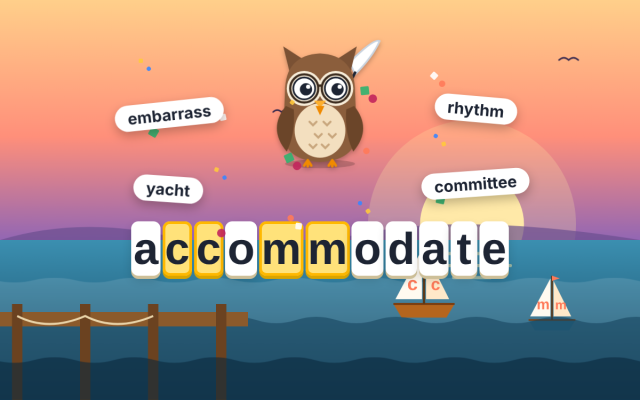
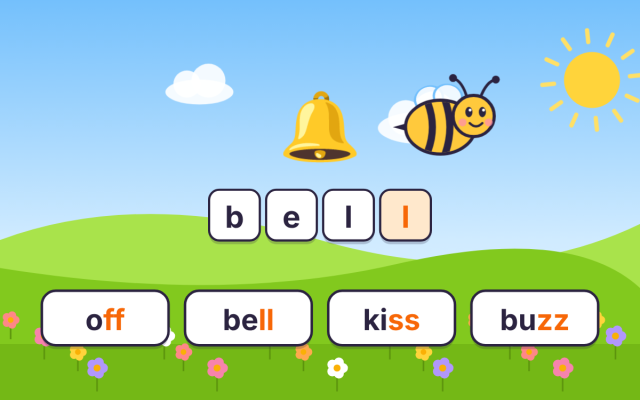
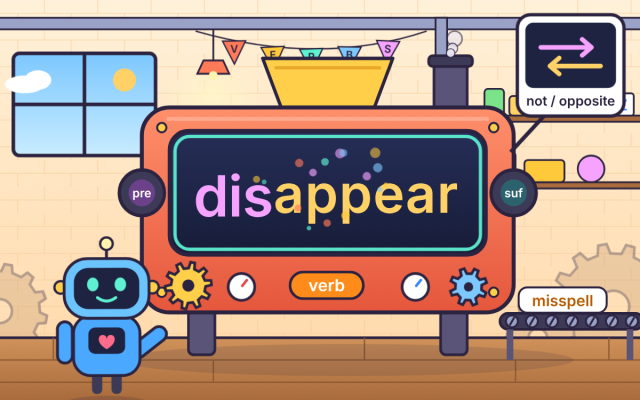
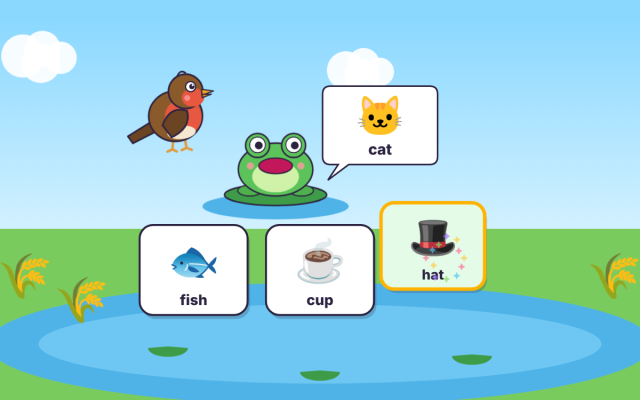
Guided by Pip the parrot, children tap sound buttons and blend them into words, flip a switch to hear a grapheme's other sound, chop long words into syllables and peel suffixes off root words. They also pop word balloons to practise common exception words, build spellings in sound boxes, one phoneme at a time, and grow flowers for new spellings such as dge, kn and wr.
Every place opens with a short animated introduction and ends with a recap. Narration, captions and gentle feedback support children who are still building confidence. A final challenge mixes questions from the whole island.
Questions and answers
What phonics do children learn in Year 2?
In Year 2, children use phonics to read fluently, learn alternative sounds for graphemes, and read longer words and words with suffixes. They also spell by segmenting words into phonemes and learn new spellings for sounds they already know, including some homophones.
What are alternative sounds in phonics?
Alternative sounds are the different sounds one spelling can make. For example, ow says one sound in snow and another in cow, and c is hard in cat but soft in city. Children learn to try the other sound when a word doesn't sound right.
What is a homophone, in simple words?
A homophone is a word that sounds the same as another word but has a different spelling and meaning. Sea and see, night and knight, and blue and blew are common examples that children meet in Year 2.
What age is this phonics game for?
The game is designed for children aged 6–7 in Year 2 (Key Stage 1). It also suits older children who need to catch up on Year 2 phonics, because each place starts with a clear guided introduction.
What does the Word Island phonics game include, and how long does it take?
It includes eight themed places covering reading and spelling, two short optional refreshers and a 12-question final challenge. Playing everything takes about an hour, and children can pick any place from the island map and come back later.
 TapLearn