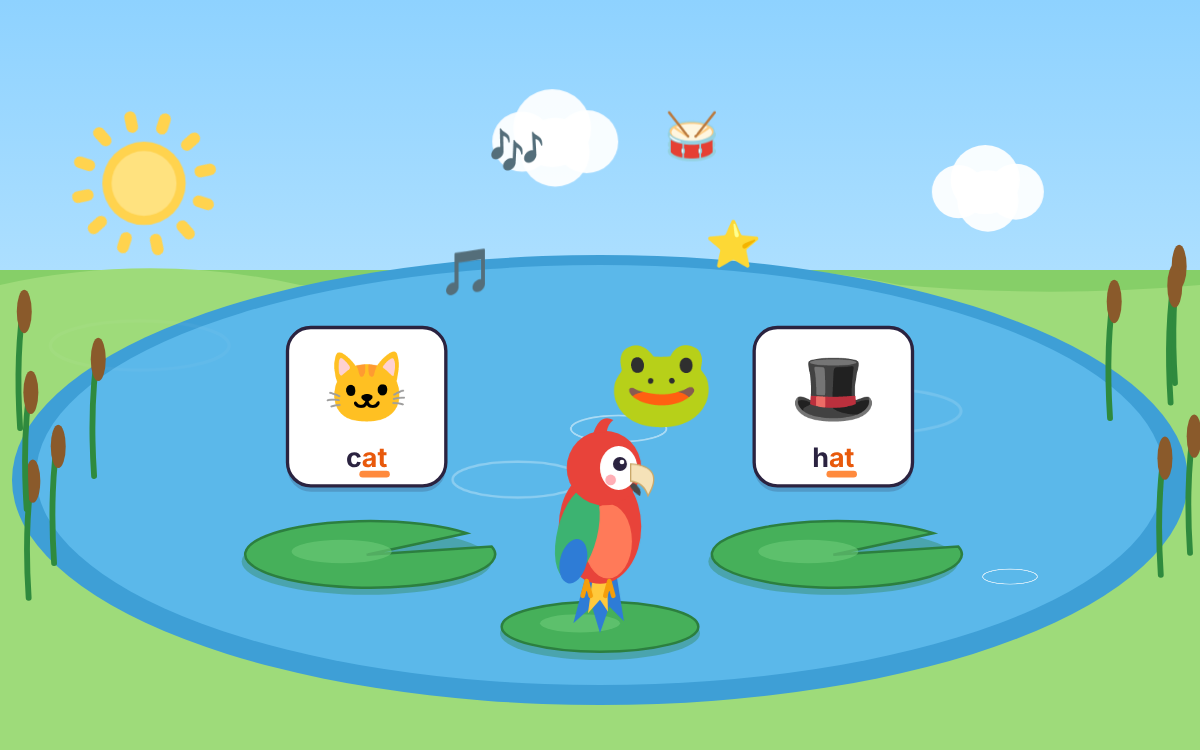
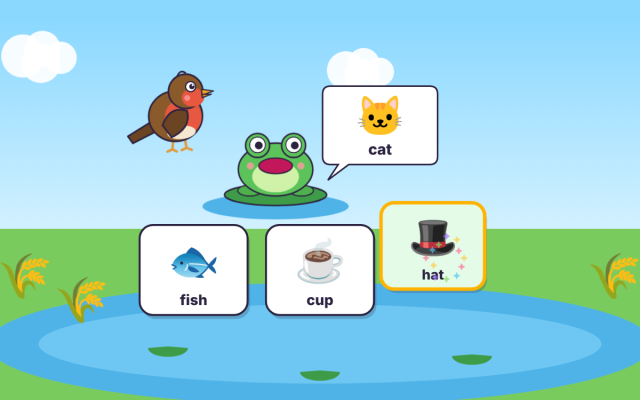
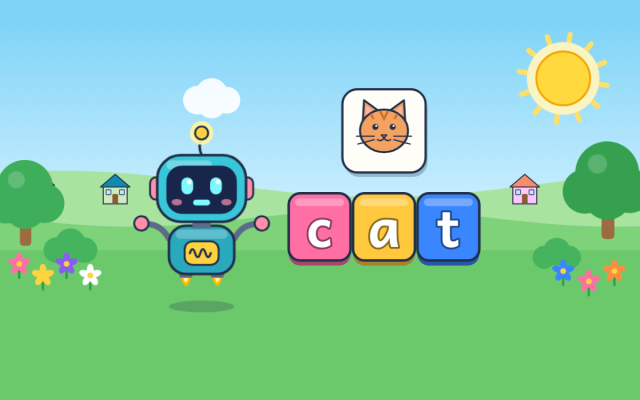
Rhyming words sound the same at the end, like cat and hat
Words that start the same, like cat and cup, don't rhyme
How to keep a steady beat and clap the beats in words
What a predictable phrase is and how to join in with it
How to finish a line of a rhyme with a rhyming word
How to learn a short nursery rhyme by heart, line by line
Chapter by chapter
Rhyming words: hearing words that sound the same at the endFree to try
Year 1 english · 1
Rhythm in rhymes and poems: clapping the beat
Year 1 english · 1
Predictable phrases: spotting words that come again and joining in
Year 1 english · 2
Joining in with predictable phrases in stories: the Gingerbread Man
Year 1 english · 2
Learning a rhyme by heart and reciting it
Year 1 english · 1
Rhyme Time Show: rhyme, rhythm and joining in (10 questions)
What the chapters cover in the national curriculum in England:
Year 1 english: Develop pleasure in reading, motivation to read, vocabulary and understanding by: learning to appreciate rhymes and poems, and to recite some by heart
Year 1 english: Develop pleasure in reading, motivation to read, vocabulary and understanding by: recognising and joining in with predictable phrases
About this adventure
Rhyme and Rhythm is an interactive game that teaches children aged 5–7 to hear rhyming words, clap the beat of a rhyme, join in with repeating words in stories and poems, and learn a nursery rhyme by heart. It follows the Year 1 English national curriculum for England.
Guided by Poppy the parrot, children find out that rhyming words sound the same at the end, not the start, so cat rhymes with hat but not with cup. They tap a drum to a steady beat and clap the beats in words such as but-ter-fly. They spot predictable phrases, the words that come again and again, and say them aloud.
To learn Humpty Dumpty or Twinkle, Twinkle by heart, they listen, echo it a line at a time, fill in hidden rhyming words, put muddled lines in order and then perform it on stage.
Questions and answers
What is a rhyming word, in simple words?
A rhyming word sounds the same at the end as another word, like cat, hat and bat. The start can be different. Words that only start the same, such as cat and cup, do not rhyme.
What are predictable phrases in Year 1 reading?
Predictable phrases are words that come again and again in a story or poem, like 'Run, run, as fast as you can!' in The Gingerbread Man. Because children can guess them, they can join in, which builds confidence and enjoyment in reading.
How can I help my child learn a poem by heart?
Say it together one line at a time, like a parrot, and repeat it often. Then hide some words, especially the rhyming ones, and let your child fill them in until they can say the whole poem without help.
What age is this rhyme and rhythm game for?
It is made for children aged 5 to 7 and matches the Year 1 English national curriculum in England. Narration reads every line aloud, so children who are still learning to read can play on their own.
What does the game include and how long does it take?
There are five chapters on rhyme, beat, repeating words, joining in with a story and learning a rhyme by heart, plus a 10-question Rhyme Time Show. Playing everything takes about 45 minutes, and chapters can be played separately.
Can we count your visit? We'd like to use one cookie, only on this site, to see how families find and use TapLearn, so we can make it better. No adverts, and nothing is shared. How we measure
Create a free family account and your child can play every chapter of every game for 7 days, with no card needed. Their progress is kept. After that, the free plan is free for ever, and membership is £6.99 a month if you'd like to keep every chapter.

 TapLearn