Fair Tests and Science Questions: Nova's Treetop Lab
Learn how to set up a fair test, ask good science questions and use evidence, by racing ramp cars, reading thermometers and melting ice in Nova's lab.
Online game, chapter 1 free · Years 3 and 4 (KS2) · ages 7–9 · national curriculum in England · no adverts · plays on a phone, tablet or computer · no sign-up to start.
An online science game for Years 3 and 4 (KS2). It covers the national curriculum in England, Years 3–4 science: “Asking relevant questions and using different types of scientific enquiries to answer them”, and 5 more statements listed under the chapters.
6 short chapters, about 45 minutes in all. Children can stop after any chapter.
Start playing for free. Plays in the browser on phones, tablets and computers: no app, no adverts.
Free for teachers: every chapter on the whiteboard with a free teacher account.
Last updated · Checked against the national curriculum in England by the TapLearn team
What you'll learn
The five types of scientific enquiry and which one fits a question
How to plan a fair test by changing only one thing
Why scientists repeat tests and what a comparative test is
How to read a thermometer in degrees Celsius at eye level
How to choose a conclusion and back it up with evidence
How to use a pattern in results to make a prediction
Chapter by chapter
Asking science questions and choosing the right kind of enquiryStart playing for free
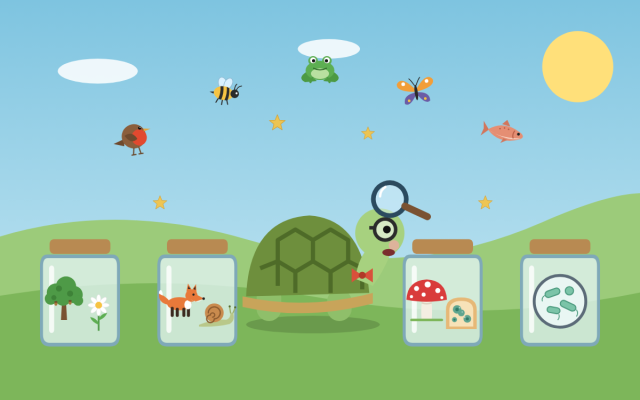
Learn to tell science questions from opinions and meet the five types of enquiry, then match questions such as how a tadpole changes to observing over time, pattern seeking, grouping, fair testing or research.
Years 3–4 science · 1
Setting up a fair test: change one thing, keep the rest the same
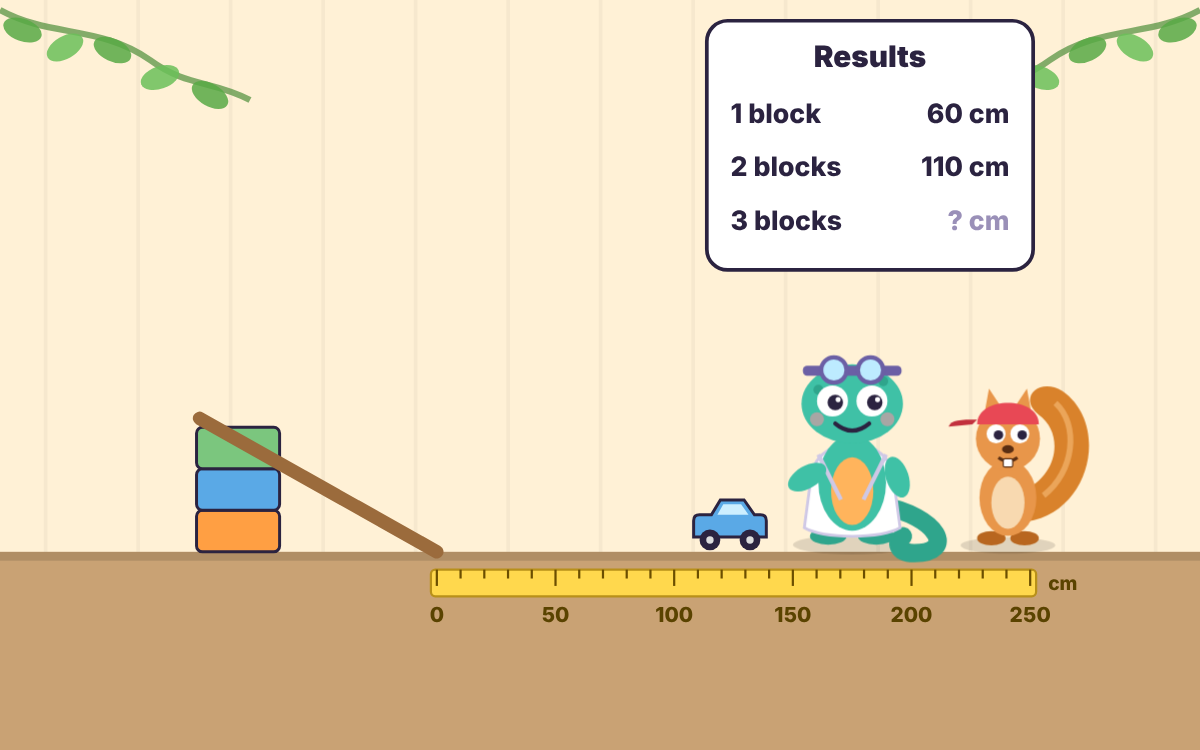
Spot why Scruff's race was unfair, then sort what to change, measure and keep the same, run a ramp test at three heights, repeat it and try a comparative test with three floors.
Years 3–4 science · 2
Measuring carefully with thermometers, data loggers and other equipment
Match jobs to a ruler, stopwatch, measuring jug, thermometer or data logger, then read thermometers in degrees Celsius at eye level, count scale marks in twos and log temperature, light and sound over a day.
Years 3–4 science · 3
Spotting similarities, differences and changes
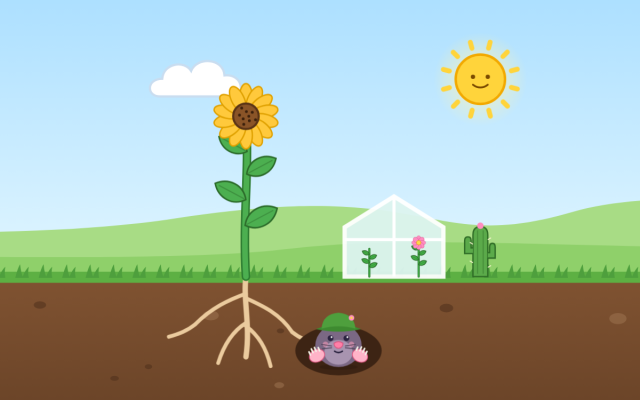
Watch two seedlings grow for ten days in light and dark, spot the differences and the similarities, and observe an ice cube melting to describe what changed and what stayed the same.
Years 3–4 science · 4Years 3–4 science · 3
Using evidence from results to draw conclusions
Time ice cubes in foil, bubble wrap and wool, choose the conclusion the results support and the evidence behind it, then check Scruff's claims against a results board.
Years 3–4 science · 5Years 3–4 science · 6
Making predictions, suggesting improvements and asking new questions
Use a pattern in ramp results to predict a new value and test it, find three problems in an unfair ice test and choose a clear improvement, then pick good further questions.
What the chapters cover in the national curriculum in England:
Years 3–4 science: Asking relevant questions and using different types of scientific enquiries to answer them
Years 3–4 science: Setting up simple practical enquiries, comparative and fair tests
Years 3–4 science: Making systematic and careful observations and, where appropriate, taking accurate measurements using standard units, using a range of equipment, including thermometers and data loggers
Years 3–4 science: Identifying differences, similarities or changes related to simple scientific ideas and processes
Years 3–4 science: Using straightforward scientific evidence to answer questions or to support their findings
Years 3–4 science: Using results to draw simple conclusions, make predictions for new values, suggest improvements and raise further questions
About this adventure
Fair Tests and Science Questions is an interactive science game that teaches children aged 7–9 how to ask science questions, plan a fair test and use results as evidence, following the Years 3–4 working scientifically curriculum.
With Nova the newt, players sort questions into the five types of enquiry, then plan a ramp test by deciding what to change, what to measure and what to keep the same. They repeat a test, try a comparative test with different floors, read thermometers at eye level on a scale that counts in twos, and watch a data logger record a whole day.
Later they compare plants grown in light and dark, time melting ice in different wraps, choose conclusions that the evidence supports, predict a new result from a pattern and fix the problems in Scruff the squirrel's unfair test.
Questions and answers
What is a fair test in science?
A fair test is an investigation where you change only one thing, measure one result and keep everything else the same. That way, you know the one thing you changed caused any difference you see.
What are the five types of scientific enquiry?
The five types are observing over time, pattern seeking, identifying and grouping, comparative and fair testing, and research using books or trusted websites. Children in Years 3 and 4 learn to choose the type that best answers their question.
How do you read a thermometer accurately?
Put the bulb in what you are measuring, wait for the liquid to stop moving, then read the scale with your eye level with the top of the liquid. Check what each mark is worth, because many scales count in twos.
What age is this fair test game for?
The game is made for children aged 7 to 9, in Years 3 and 4 in England. It follows the lower Key Stage 2 working scientifically statements, so it also suits older children who need a refresher.
What does the fair test game include and how long does it take?
It has six hands-on chapters, each with a short quick check, plus a ten-question Super Scientist Challenge. Playing everything takes about 45 minutes, and children can start any chapter from the lab map.
We count visits to make TapLearn better.We use one cookie, only on this site, to see how families find and use it. No adverts, and nothing is shared.One cookie, only on this site. No adverts.How we measure
 TapLearn