Anglo-Saxons and Scots: Wyn's Saga of Settlers and Seafarers
Learn who the Anglo-Saxons and Scots were, why they came to Britain and how they lived, by rowing, mapping, building and digging with Wyn.
Online game, chapter 1 free · Years 3 to 6 (KS2) · ages 7–11 · national curriculum in England · no adverts · plays on a phone, tablet or computer · no sign-up to start.
An online history game for Years 3 to 6 (KS2). It covers the national curriculum in England, Years 3–6 history: “Britain's settlement by Anglo-Saxons and Scots. Examples (non-statutory): Roman withdrawal from Britain in c. AD 410 and the fall of the western Roman Empire; Scots invasions from Ireland to north Britain (now Scotland); Anglo-Saxon invasions, settlements and kingdoms: place names and village life; Anglo-Saxon art and culture; Christian conversion – Canterbury, Iona and Lindisfarne”.
6 short chapters, about 35 minutes in all. Children can stop after any chapter.
Start playing for free. Plays in the browser on phones, tablets and computers: no app, no adverts.
Free for teachers: every chapter on the whiteboard with a free teacher account.
Last updated · Checked against the national curriculum in England by the TapLearn team
What you'll learn
Why the Roman army left Britain around AD 410
Who the Angles, Saxons and Jutes were and why they came
That the Scots came from Ireland and gave Scotland its name
How Anglo-Saxons built wattle-and-daub halls and farmed
The seven Anglo-Saxon kingdoms and place-name clues like -ham and -ford
Anglo-Saxon gods, Augustine's mission and what Sutton Hoo reveals
Learn why the Roman army left Britain around AD 410 and how the Picts, Scots and Saxons then attacked, by sailing the legions home and mapping where each raider came from.
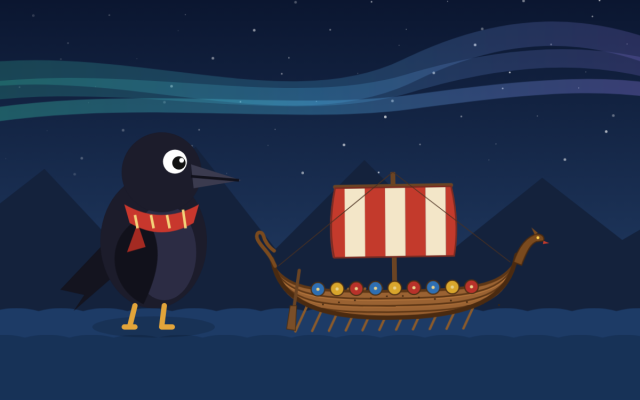
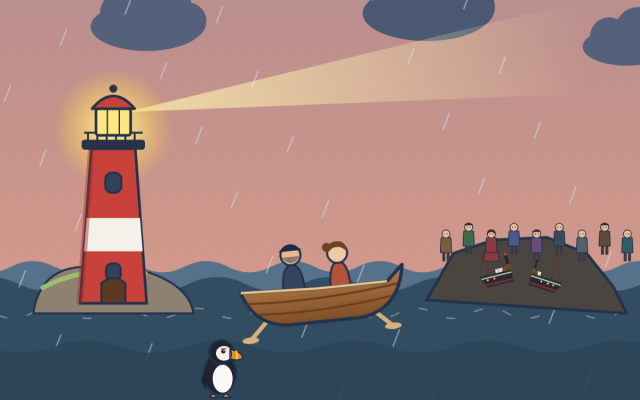
Meet the Angles, Saxons, Jutes and Frisians in their homelands, sort real reasons for migration from false ones, row across the North Sea and decide whether they were invaders or settlers.
Discover that the Scots came from Ireland, paddle a curragh to Argyll to found Dál Riata, map where Picts, Scots, Britons and Anglo-Saxons lived, and visit Dunadd and Iona.
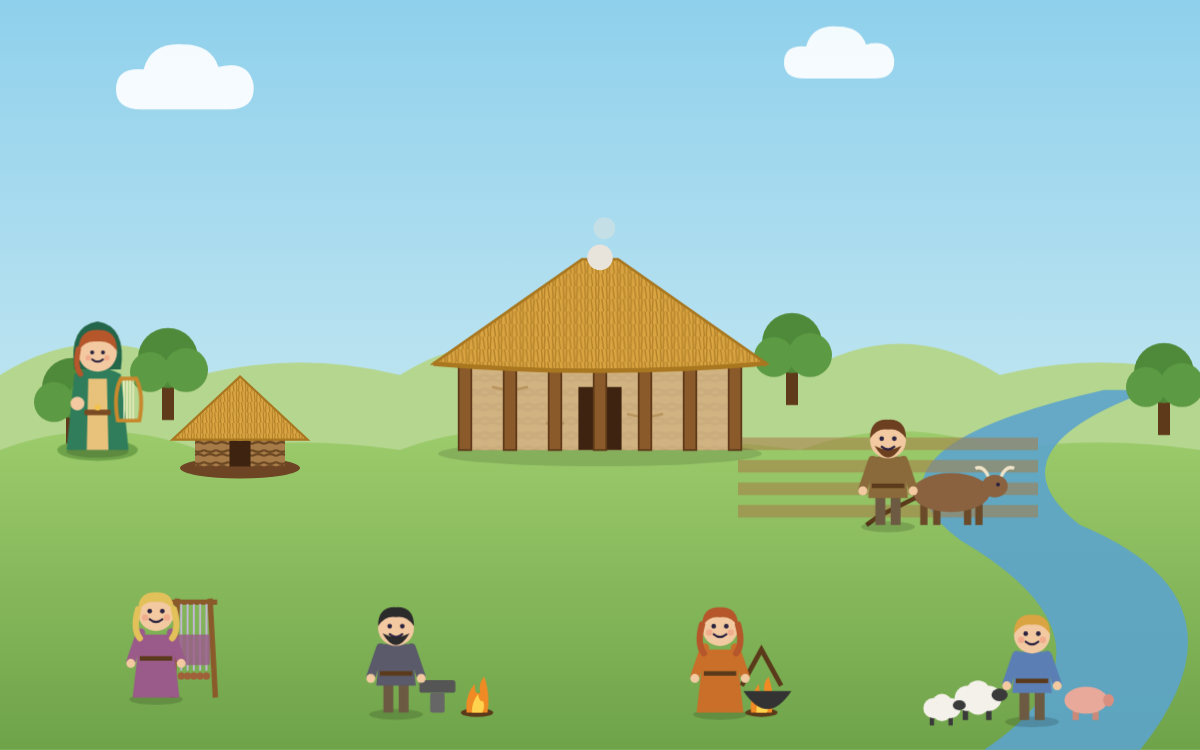
Choose a good site for a settlement, build a hall with posts, wattle and daub and thatch, dig a pit house and meet villagers who farm, weave, cook and work iron.
Place the seven kingdoms of Northumbria, Mercia, East Anglia, Essex, Kent, Sussex and Wessex on a map, then use Old English endings such as -ham, -ton, -ford, -ing, -ley and -bury as evidence of settlement.
Match Tiw, Woden, Thunor and Frige to the days named after them, see Augustine arrive in Kent in AD 597, and excavate the Sutton Hoo ship burial to learn what artefacts reveal.
What the chapters cover in the national curriculum in England:
Years 3–6 history: Britain's settlement by Anglo-Saxons and Scots. Examples (non-statutory): Roman withdrawal from Britain in c. AD 410 and the fall of the western Roman Empire; Scots invasions from Ireland to north Britain (now Scotland); Anglo-Saxon invasions, settlements and kingdoms: place names and village life; Anglo-Saxon art and culture; Christian conversion – Canterbury, Iona and Lindisfarne
About this adventure
Anglo-Saxons and Scots is an interactive history game that teaches children aged 7–11 who the Anglo-Saxons and Scots were, why they settled in Britain after the Romans left around AD 410, and how they lived.
Guided by Wyn, a travelling storyteller, players send the Roman army home, drag raiders onto a map, pack a boat with the real reasons the Angles, Saxons and Jutes crossed the North Sea, and paddle a curragh from Ireland to Argyll, where the Scots founded the kingdom of Dál Riata.
They then build a wooden hall with wattle and daub and a thatched roof, place the seven Anglo-Saxon kingdoms, decode place-name endings such as -ham, -ton and -ford, match the old gods to the days of the week, meet Augustine in AD 597 and excavate the Sutton Hoo ship burial. A ten-question Saga Quiz checks what they remember.
Questions and answers
Why did the Anglo-Saxons come to Britain?
The Anglo-Saxons came to Britain for good farmland, because rising seas flooded their homes, and because some were paid to fight for British leaders. With the Roman army gone after AD 410, Britain was easier to settle.
Where did the Scots come from?
The first Scots came from Ireland. Around the 400s and 500s they crossed the sea to Argyll on the west coast of what is now Scotland and set up the kingdom of Dál Riata. Scotland is named after them.
What were Anglo-Saxon houses like?
Most Anglo-Saxon homes were wooden halls with walls of wattle and daub and thatched roofs of straw or reeds. A fire burned in the middle, and small pit houses nearby were used for weaving and storage.
What age is this Anglo-Saxons and Scots game for?
The game is designed for children aged 7 to 11 in Years 3 to 6, and fits the KS2 history unit on Britain's settlement by Anglo-Saxons and Scots, usually taught in Year 5.
What does the game include and how long does it take?
The game has six interactive chapters with narration, maps, building and digging activities and quick checks, plus a ten-question Saga Quiz. Playing everything takes about 35 minutes, and chapters can be played separately.
We count visits to make TapLearn better.We use one cookie, only on this site, to see how families find and use it. No adverts, and nothing is shared.One cookie, only on this site. No adverts.How we measure


 TapLearn