Learn about Ancient Sumer, one of the first civilisations: farm with canals, build a mud-brick city and ziggurat, and write in cuneiform.
Online game, chapter 1 free · Years 3 to 6 (KS2) · ages 7–11 · national curriculum in England · no adverts · plays on a phone, tablet or computer · no sign-up to start.
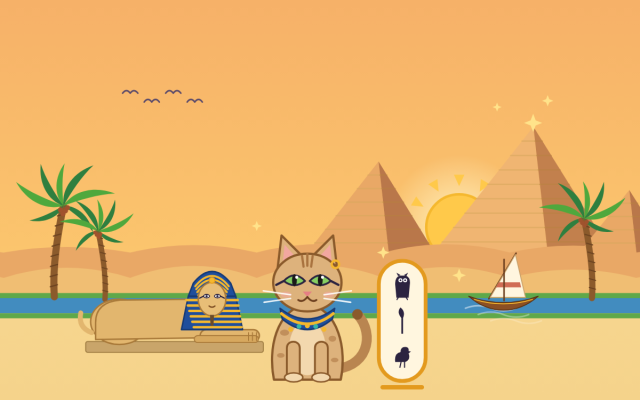
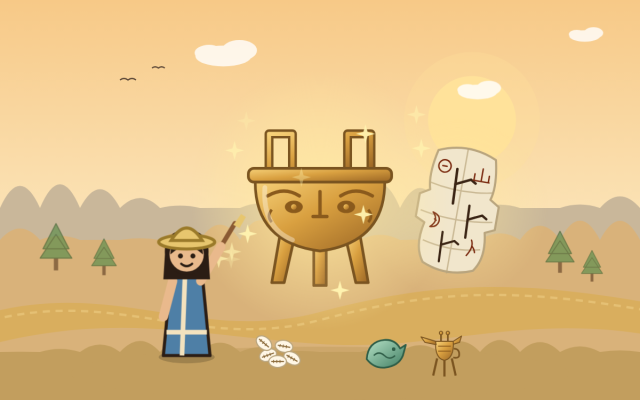
An online history game for Years 3 to 6 (KS2). It covers the national curriculum in England, Years 3–6 history: “The achievements of the earliest civilizations – an overview of where and when the first civilizations appeared and a depth study of one of the following: Ancient Sumer; The Indus Valley; Ancient Egypt; The Shang Dynasty of Ancient China”.
4 short chapters, about 30 minutes in all. Children can stop after any chapter.
Start playing for free. Plays in the browser on phones, tablets and computers: no app, no adverts.
Free for teachers: every chapter on the whiteboard with a free teacher account.
Last updated · Checked against the national curriculum in England by the TapLearn team
What you'll learn
Where Mesopotamia was and what its name means
How to order Sumer, Egypt, the Indus Valley and Shang by date
How irrigation canals and the shaduf watered crops in a dry land
Why a food surplus let cities and new jobs grow
What a ziggurat was and why it was not a tomb
How cuneiform began as record-keeping on clay tablets
Find Sumer, Ancient Egypt, the Indus Valley and the Shang on a map beside their rivers, label the Tigris and Euphrates, and order the first civilisations on a BC timeline.
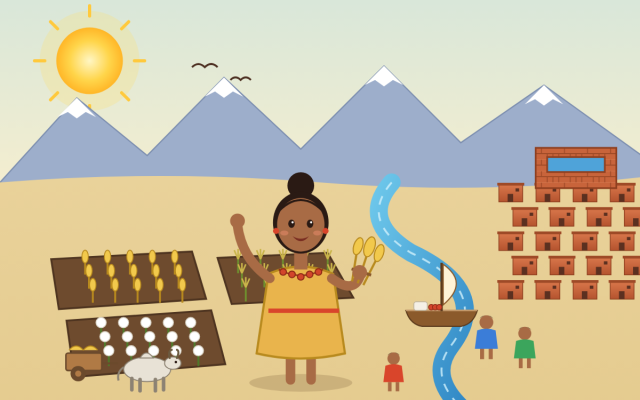
Learn why Sumer needed irrigation by flooding a field, digging canals, lifting water with a shaduf, ploughing with an ox and harvesting barley to see how a food surplus was made.
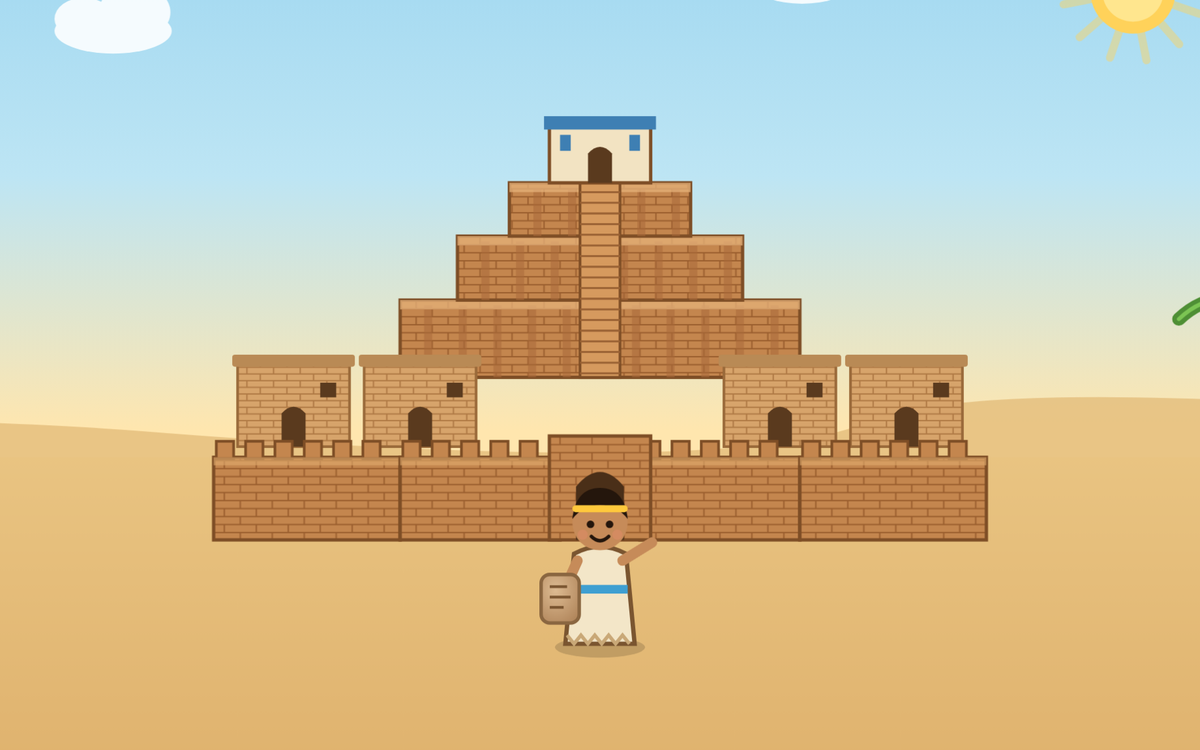
See how a surplus allowed new jobs, then make mud bricks and build a walled city with a stepped ziggurat, and visit the city-states of Ur, Uruk, Eridu, Lagash, Kish and Nippur.
Follow writing from clay tokens to pictures on tablets to wedge-shaped cuneiform pressed with a reed stylus, read a tablet's number signs and discover the tablet house where scribes trained.
What the chapters cover in the national curriculum in England:
Years 3–6 history: The achievements of the earliest civilizations – an overview of where and when the first civilizations appeared and a depth study of one of the following: Ancient Sumer; The Indus Valley; Ancient Egypt; The Shang Dynasty of Ancient China
About this adventure
Ancient Sumer: Tabi's Journey to the First Cities is an interactive history game that teaches children aged 7–11 where and when the first civilisations began and what Ancient Sumer achieved in farming, cities and writing.
Guided by Tabi, a young scribe from Ur, players find the first civilisations beside the Nile, Indus, Yellow River, Tigris and Euphrates, then order them on a BC timeline. They flood, irrigate and plough a field to grow a surplus of barley, pay potters and scribes, make mud bricks and build a city wall and a stepped ziggurat.
Finally they swap clay tokens for pictures on a tablet, press wedge-shaped cuneiform signs with a reed stylus and read a tablet that records a flock of sheep. A ten-question Master Challenge checks everything they have learned.
Questions and answers
What was Ancient Sumer?
Ancient Sumer was one of the world's first civilisations, in southern Mesopotamia, which is now part of Iraq. From about 3500 BC its people built cities such as Uruk and Ur, farmed with canals and invented cuneiform writing.
Why did the first civilisations begin beside rivers?
The first civilisations began beside big rivers because rivers gave water and rich soil for farming. Sumer grew between the Tigris and Euphrates, Ancient Egypt by the Nile, the Indus Valley by the Indus and the Shang by the Yellow River.
What was a ziggurat used for?
A ziggurat was a huge stepped tower of solid mud brick with a temple on top for the city's god. Unlike an Egyptian pyramid it was not a tomb; nobody was buried inside, and it was a place of worship.
What age is this Ancient Sumer game for?
The game suits children aged 7 to 11 and is pitched at Key Stage 2 history, mainly Year 4. Short spoken instructions and hands-on tasks mean younger or less confident readers can follow along too.
What does the game include and how long does it take?
It has four chapters on rivers and timelines, farming, cities and writing, plus a ten-question Master Challenge. Playing everything takes about 30 minutes, and children can start from any chapter on the map.
We count visits to make TapLearn better.We use one cookie, only on this site, to see how families find and use it. No adverts, and nothing is shared.One cookie, only on this site. No adverts.How we measure
 TapLearn