Indus Valley Civilisation: Explore Cities by the River
Learn where the Indus Valley civilisation grew and how its people lived, as you plan a brick city, weigh trade goods and sail to Sumer.
- Ages 7–10
- About 45 min
- Easy start
- World Civilisations
Learn where the Indus Valley civilisation grew and how its people lived, as you plan a brick city, weigh trade goods and sail to Sumer.
Years 3–6 history · 1
Years 3–6 history · 1
Years 3–6 history · 1
Years 3–6 history · 1
Years 3–6 history · 1
What the chapters cover in the national curriculum in England:
Indus Valley Civilisation is an interactive history game that teaches children aged 7–11 where and when the first civilisations appeared, and what the Indus Valley achieved in its planned cities, trade and daily life. It follows the KS2 History study of the earliest civilisations, pitched mainly at Year 4.
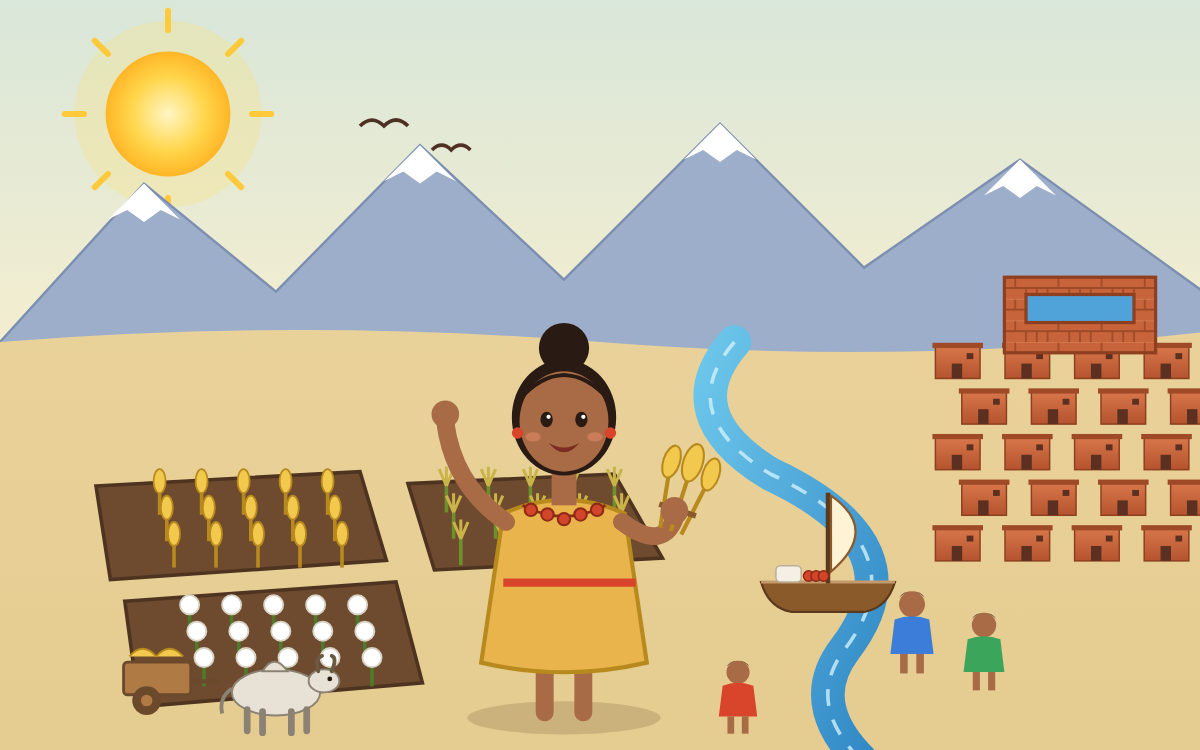
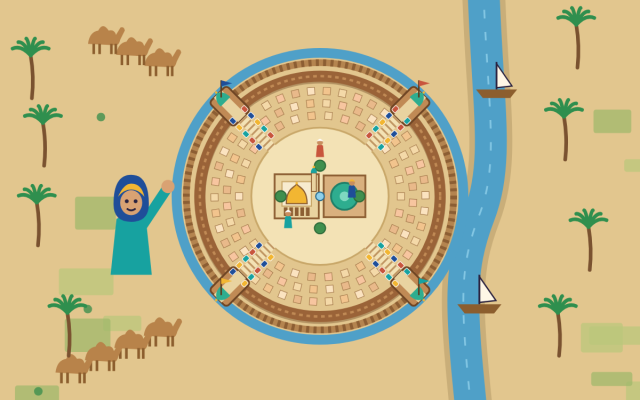
Guided by Mina, a girl from Mohenjo-daro, players match Sumer, Ancient Egypt, the Indus Valley and the Shang Dynasty to their rivers and order them on a BC timeline. They flood the River Indus to leave silt, lay grid streets, bake bricks in a kiln and connect covered drains.
Later they balance a scale with stone weights, stamp a seal on clay, and explore homes, toys and the Indus script, which nobody can read yet. Every line is read aloud, and a ten-question final challenge checks what has stuck.
The Indus Valley civilisation was one of the world's first civilisations, growing beside the River Indus in what is now Pakistan and north-west India from about 3300 BC. Its people built large planned cities such as Harappa and Mohenjo-daro.
Indus cities were planned before they were built, with main streets laid out in a grid, same-shaped baked bricks, hundreds of wells and covered drains under the streets. This kept them cleaner and better organised than most ancient towns.
Indus traders swapped goods rather than paying with coins. They used stone cube weights to weigh goods fairly, stamped seals into clay to label them, and carried them by ox-cart and by boat as far as Sumer.
The game suits children aged about 7 to 10 and is pitched at Year 4, where the Indus Valley is usually taught in KS2 History. Every line is read aloud, so less confident readers can follow along.
It has five chapters plus a ten-question final challenge, and takes about 45 minutes to play through. Children can start at any chapter, and each one opens with a short animated introduction.



 TapLearn
Getting it ready…
Great work on chapter 1! To open the next chapters, ask a grown-up to take a look.
To play this game, ask a grown-up to take a look. There are lots of free games you can play right now too!
Create a free family account and your child can play every chapter of every game for 7 days, with no card needed. Their progress is kept. After that, the free plan is free for ever, and membership is £6.99 a month if you'd like to keep every chapter.
That's all the learning time for today. Great work! Flip will be ready to play again tomorrow.