What you'll learn
- Nouns are naming words for people, places, animals and things
- Join two words to make a compound noun, like sunflower
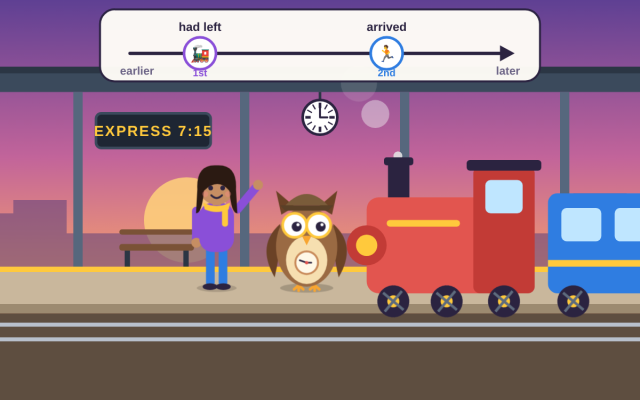
- Verbs are doing words, in the present or past tense
- Adjectives describe nouns and help build noun phrases
- Adverbs tell us how a verb is done, often ending in -ly
- Name each word's job and use grammar words to discuss writing
Chapter by chapter
- Nouns: naming words and compound nouns Free to try
Year 2 english · 1
- Verbs: doing words in the present and past tense
Year 2 english · 1
- Adjectives: describing words, noun phrases and the suffixes -ful and -less
Year 2 english · 1 Year 2 english · 2
- Adverbs: how a verb is done, with the suffix -ly
Year 2 english · 1
- Word jobs: naming nouns, verbs, adjectives and adverbs in our writing
Year 2 english · 2 Year 2 english · 1
- Word Park grammar challenge (10 questions)
What the chapters cover in the national curriculum in England:
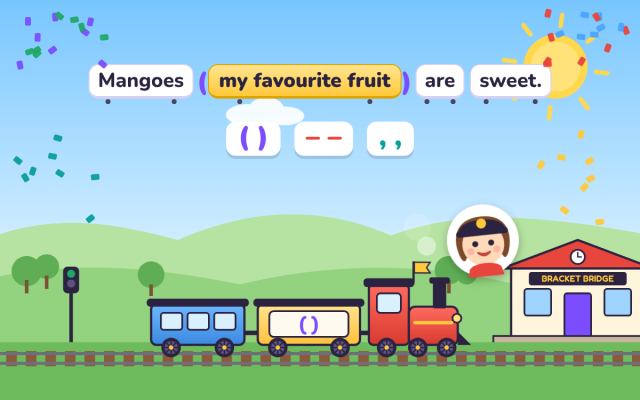
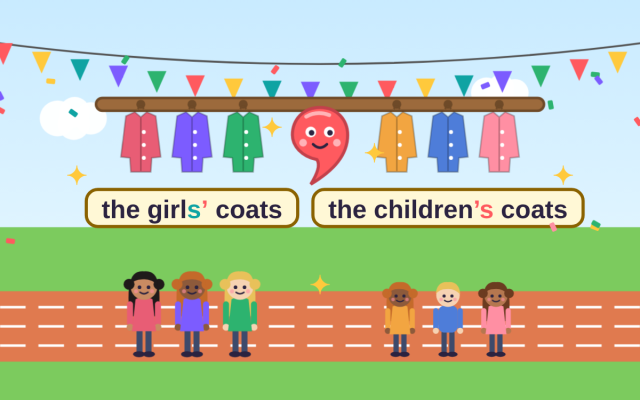
- Year 2 english: Terminology: noun, noun phrase, statement, question, exclamation, command, compound, suffix, adjective, adverb, verb, tense (past, present), apostrophe, comma
- Year 2 english: Use and understand the grammatical terminology in English appendix 2 in discussing their writing
About this adventure
Nouns, Verbs, Adjectives and Adverbs is an interactive grammar game that teaches children aged 6–8 what each word class is and the job it does in a sentence. It follows Year 2 English in England, with Ollie the owl giving spoken instructions throughout.
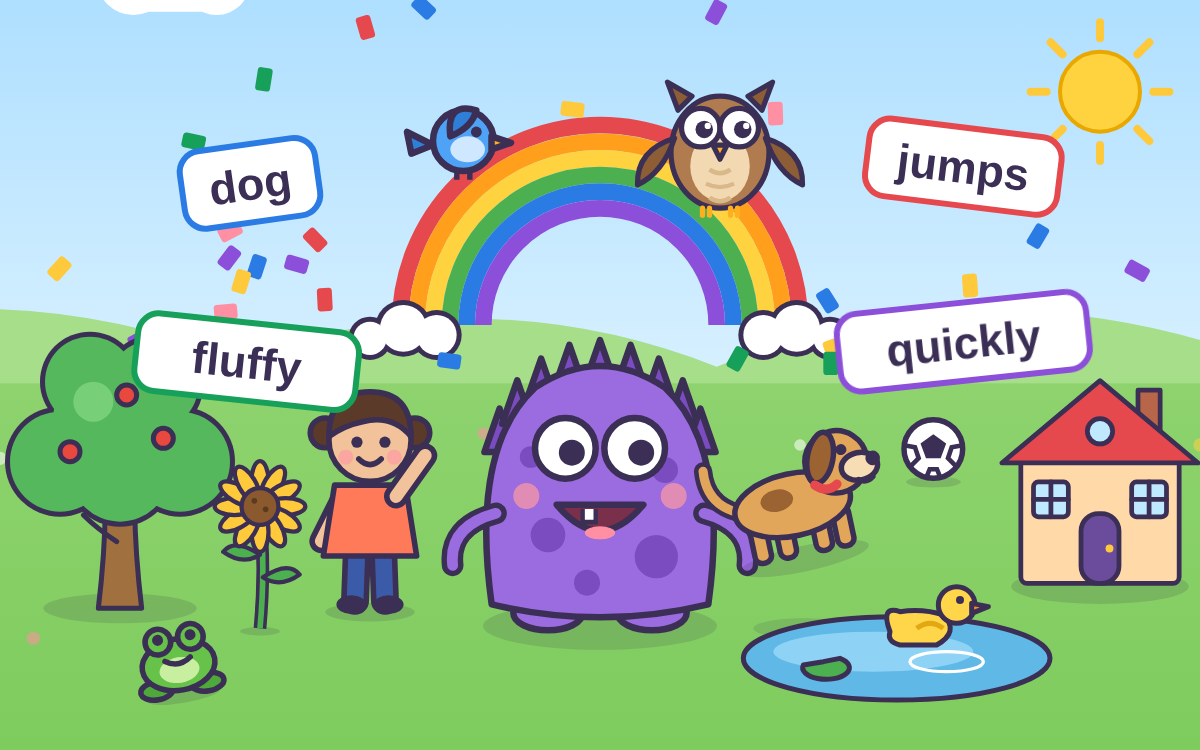
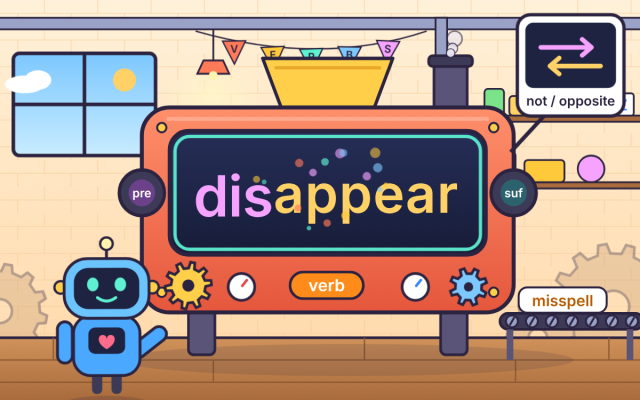
Children tap naming words to build a park, wake frozen characters with verbs, dress up a monster with adjectives and change how a rabbit hops with adverbs. Along the way they meet compound nouns (sun + flower = sunflower), noun phrases (the blue butterfly), present and past tense (jumps, jumped) and suffixes such as -ful, -less and -ly that change a word's job.
Each chapter opens with a short animated introduction, and a 10-question final challenge checks what has stuck.
Questions and answers
What are nouns, verbs, adjectives and adverbs, in simple words?
A noun names a person, place, animal or thing, and a verb is a doing word. An adjective describes a noun, like 'fluffy' in 'the fluffy cat', and an adverb tells us how a verb is done, like 'quickly'.
What is the difference between an adjective and an adverb?
An adjective describes a noun, while an adverb describes how a verb is done. In 'the slow snail crawls slowly', slow describes the snail and slowly describes how it crawls. Many adverbs are made by adding -ly to an adjective.
What is a noun phrase in Year 2?
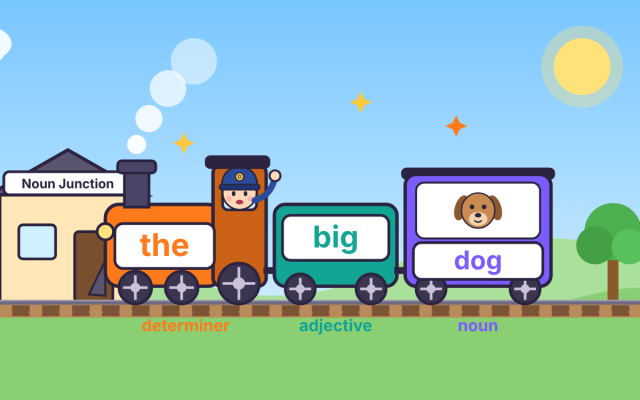
A noun phrase is a group of words built around a noun, such as 'the blue butterfly' or 'the big red ball'. In Year 2, children add adjectives to a noun so their writing describes things more clearly.
What age is this word class game for?
The game is designed for children aged 6 to 8, matching Year 2 English in England. Older children can use it to revise word classes, and the spoken instructions help younger readers follow along.
What does the game include and how long does it take?
The game has five chapters and a 10-question final challenge, and takes about 40 minutes to play in full. It includes animated introductions, spoken narration, short refreshers and tapping, sorting and sentence-building activities.
 TapLearn