Learn to solve measure word problems by changing units, comparing decimals and working with time, as you help Pip pack, cook and climb to the summit.
Online game, chapter 1 free · Year 6 (KS2) · ages 10–11 · national curriculum in England · no adverts · plays on a phone, tablet or computer · no sign-up to start.
An online maths game for Year 6 (KS2). It covers the national curriculum in England, Year 6 maths: “Solve problems involving the calculation and conversion of units of measure, using decimal notation up to 3 decimal places where appropriate”.
5 short chapters, about 50 minutes in all. Children can stop after any chapter.
Start playing for free. Plays in the browser on phones, tablets and computers: no app, no adverts.
Free for teachers: every chapter on the whiteboard with a free teacher account.
Last updated · Checked against the national curriculum in England by the TapLearn team
What you'll learn
Change measures to the same unit before adding or subtracting
Convert between kg and g, l and ml, km, m and cm
Compare and order measures with up to 3 decimal places
Multiply and divide measures to share, scale and fill containers
Change between hours, minutes and seconds, including 1.5 hours
Solve two-step measure problems and check the answer makes sense
Chapter by chapter
Change measures to the same unit, then add or subtractStart playing for free
Year 6 maths · 1
Compare and order measures in different units (up to 3 decimal places)
Year 6 maths · 1
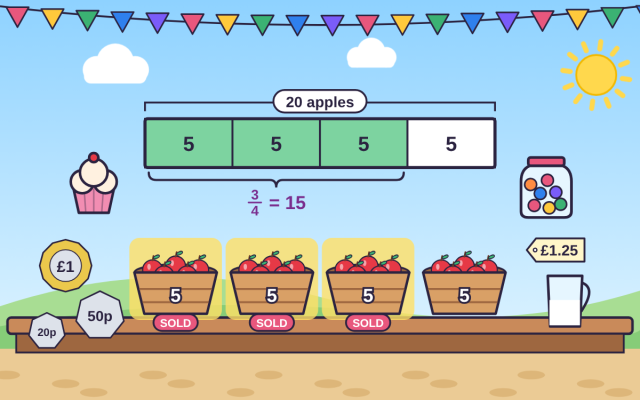
Multiply and divide measures to share, scale and fill
Year 6 maths · 1
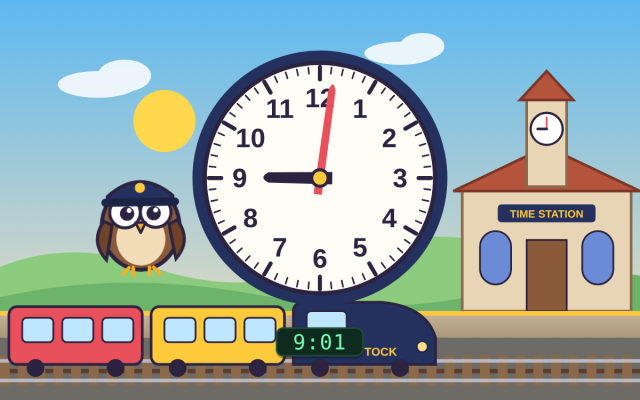
Time problems: change between hours, minutes and seconds
Year 6 maths · 1
Solve and check two-step measure problems
Year 6 maths · 1
Summit Challenge: mixed measure word problems (10 questions)
What the chapters cover in the national curriculum in England:
Year 6 maths: Solve problems involving the calculation and conversion of units of measure, using decimal notation up to 3 decimal places where appropriate
About this adventure
Measure Word Problems is an interactive maths game that teaches children aged 10–11 to solve Year 6 problems that calculate and convert units of measure, using decimals with up to 3 decimal places.
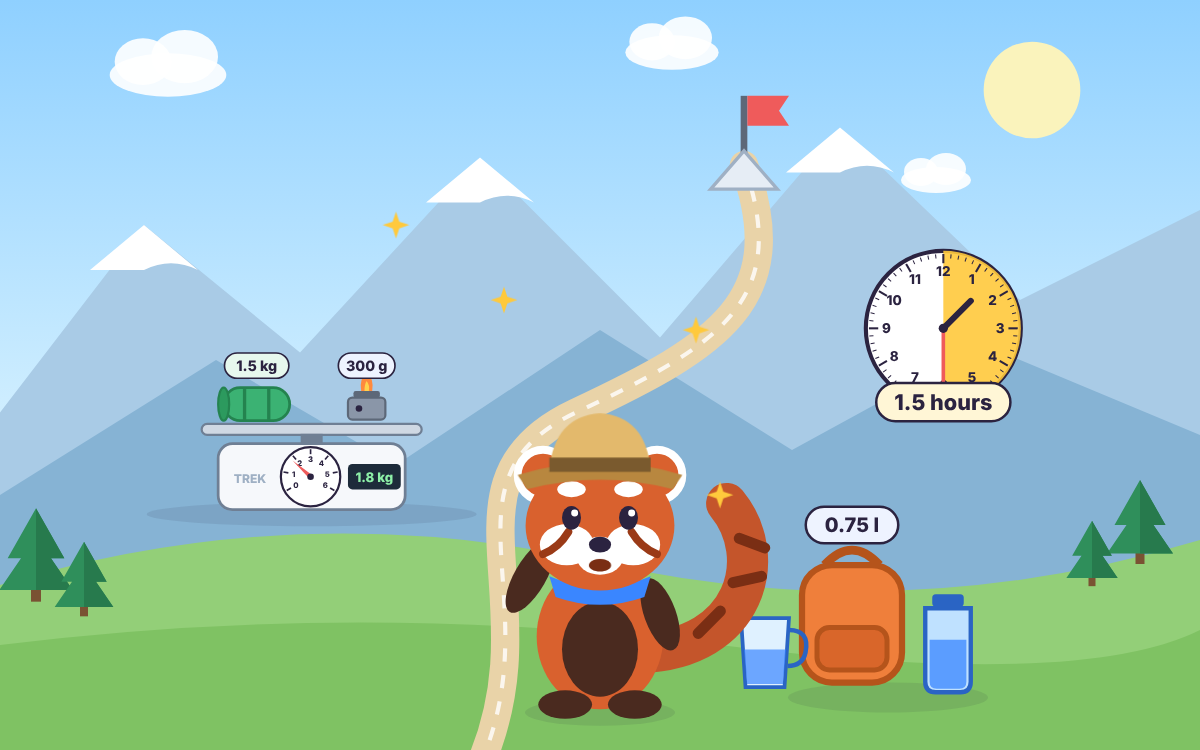
Players join Pip the red panda on a mountain trek. At each camp they weigh kit on scales, pour drinks, cut rope, share trail mix and plan a walking timetable, typing their answers on a keypad. Sam the hiker keeps making classic slips, such as adding 1.5 kg to 300 g and getting 301.5, so children learn to spot and fix them.
The key idea is to change amounts into the same unit before calculating, then answer in the unit the question asks for. Children also use a place value chart, where each thousandth of a kilogram is 1 gram, and learn why 1.5 hours is 1 hour 30 minutes.
Questions and answers
How do you solve a measure word problem with different units?
Change every amount into the same unit first, then add, subtract, multiply or divide. For example, 1.5 kg + 300 g becomes 1,500 g + 300 g = 1,800 g, which is 1.8 kg. Finally, give the answer in the unit the question asks for.
How do you convert kilograms to grams?
Multiply by 1,000, because 1 kilogram is 1,000 grams. So 2.5 kg is 2,500 g. To go the other way, from grams to kilograms, divide by 1,000, so 750 g is 0.75 kg.
Is 1.5 hours the same as 1 hour 50 minutes?
No, 1.5 hours is 1 hour 30 minutes. An hour has 60 minutes, not 100, so 0.5 of an hour is half of 60 minutes, which is 30 minutes. In the same way, 0.25 hours is 15 minutes.
What age is this measure word problems game for?
It is written for children aged 10–11 in Year 6, following the national curriculum for England. Confident Year 5 pupils can try it too, and a warm-up refresher on unit facts is there for anyone who needs it.
What is in the Summit Trek game and how long does it take?
There are five chapters, a 10-question Summit Challenge and an optional warm-up. Playing everything takes about 50 minutes, and each chapter can be played on its own in roughly 8 to 10 minutes.
We count visits to make TapLearn better.We use one cookie, only on this site, to see how families find and use it. No adverts, and nothing is shared.One cookie, only on this site. No adverts.How we measure

 TapLearn