Hear them read, little and often
Short, regular reading usually works better than one long session a week. Around ten minutes most days is plenty for many children, and some days it might just be two pages before bed. Pick a time that suits your family: after tea, at bath time, on the bus.
When your child gets stuck on a word:
- Pause and give them a few seconds before stepping in.
- For younger readers, point to the word and say "Sound it out", so they use the phonics they have learned at school.
- If the word can't easily be sounded out, just tell them and carry on. Keeping the story flowing matters more than every single word.
- Praise effort, specifically: "You went back and checked that word. That's good reading."
Most schools send home a reading record. A short note about how it went helps the teacher, and it's an easy way to ask a question.
Decodable books in Reception and Year 1
In the early stages, your child will probably bring home books that are "decodable". Almost every word uses letter sounds they have already been taught, plus a few tricky words they have practised. These books can look very simple, but they do an important job: your child gets to read a whole book successfully by sounding out, rather than guessing from the pictures.
If a book seems too easy, that's often the point. Ask them to read it again the next day, because rereading builds speed, expression and confidence (what schools call fluency). If it seems too hard, mention it to the teacher. Alongside these books, keep sharing richer stories that you read to them.
For more on how phonics works, see how to help with phonics at home.
Keep reading to them, even when they can read
Reading aloud to your child is one of the most useful things you can do, and it doesn't need to stop once they can read alone. Children can understand stories well above the level they can read themselves. Listening to you gives them new words, shows how punctuation and expression sound, and lets them enjoy longer, more complex books. Many children in Years 5 and 6 still love a chapter at bedtime, a funny poem or a news story you share.
You don't need to perform. Read at a steady pace, stop to wonder about something together, and let them see that you enjoy it too.
Choosing books and talking about them
Let your child choose often, even if it's comics, joke books, football annuals or the same series again. Non-fiction about a favourite topic is real reading. Libraries are free, and 2026 is the National Year of Reading, with many libraries and schools running events, so it's a good year to get a library card if you don't have one.
A few questions turn reading into a conversation. One or two per session is enough:
- "What do you think will happen next? Why?"
- "How do you think she feels now? How can you tell?"
- "What do you think that word means?"
- "Which bit did you like most?"
- "Can you tell me what happened in that chapter in one sentence?"
If your child reads the words fluently but finds questions like these hard, our guide to reading comprehension has more ideas.
Keep it enjoyable
Enjoyment matters. The National Literacy Trust's 2026 survey found that reading enjoyment among 5 to 8-year-olds has fallen for the third year in a row, so it's worth protecting:
- Take turns: you read a page, they read a page.
- Stop while it's still going well, rather than pushing on when they're tired.
- Avoid making reading a punishment or a chore to tick off.
- Let them see you reading, whether that's a novel, a recipe or the football results.
If reading feels like a battle most days, or you're unsure about progress, have a chat with the class teacher. They hear your child read in school and can tell you what to focus on. Our guide Is my child behind? may also help.
Where TapLearn fits
TapLearn's phonics and word games give extra short practice with letter sounds, letter teams, tricky words and vocabulary. They are a top-up alongside books from school, not a replacement for sharing real books. Our weekly email also suggests one thing to try at home.
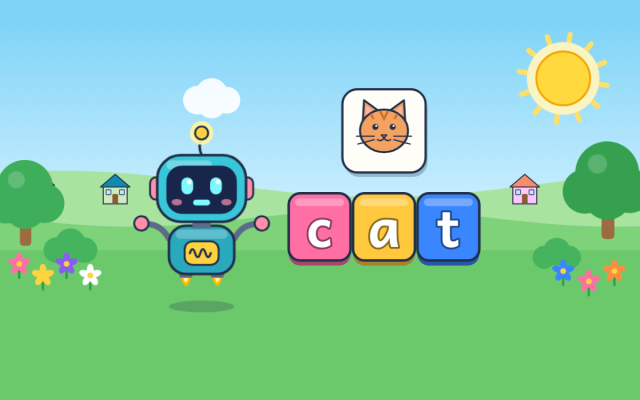
Letter Sounds and Blending: Read Words with Bip the Robot
Learn letter sounds and blending: match letters to sounds, hear first sounds and push sounds together to read…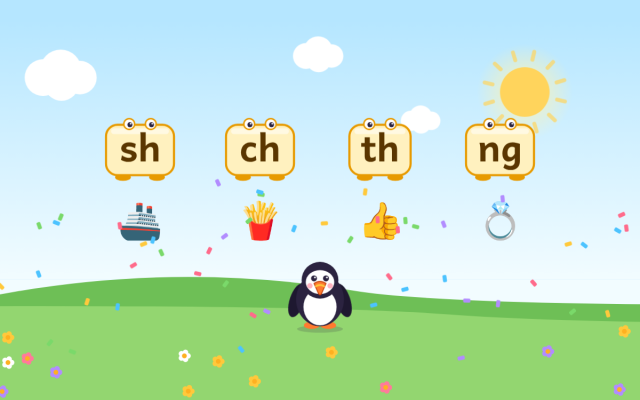
Phonics Digraphs: Two Letters, One Sound with Pip
Learn phonics digraphs such as sh, ch, ai and igh. Drag letters into teams, tap sound buttons and blend words…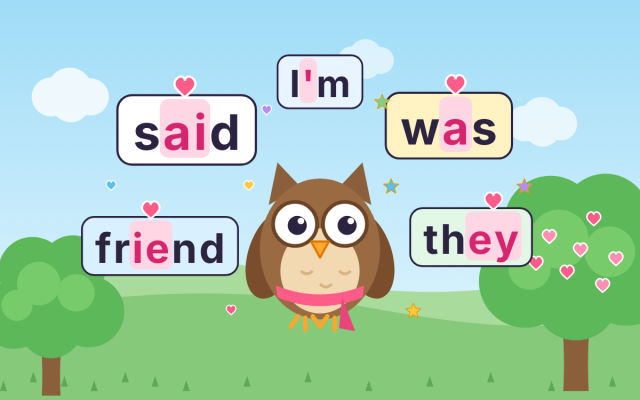
Year 1 Tricky Words: Heart Words and Days of the Week
Learn to read and spell Year 1 tricky words and the days of the week, find each word's tricky part and read I…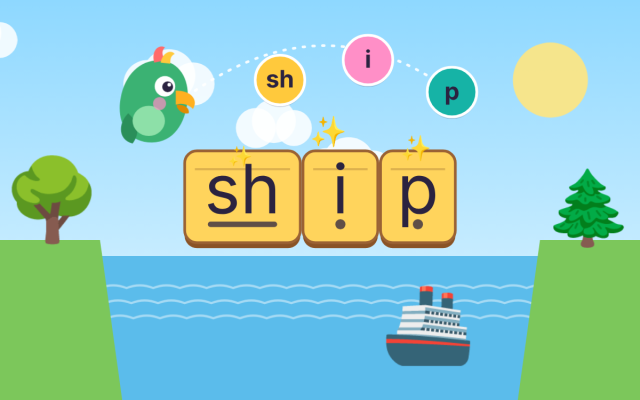
Year 2 Phonics: Blend, Read and Spell on Word Island
Learn Year 2 phonics: blend new words, try alternative sounds, read long words and suffixes, and spell with n…
 TapLearn