What you'll learn
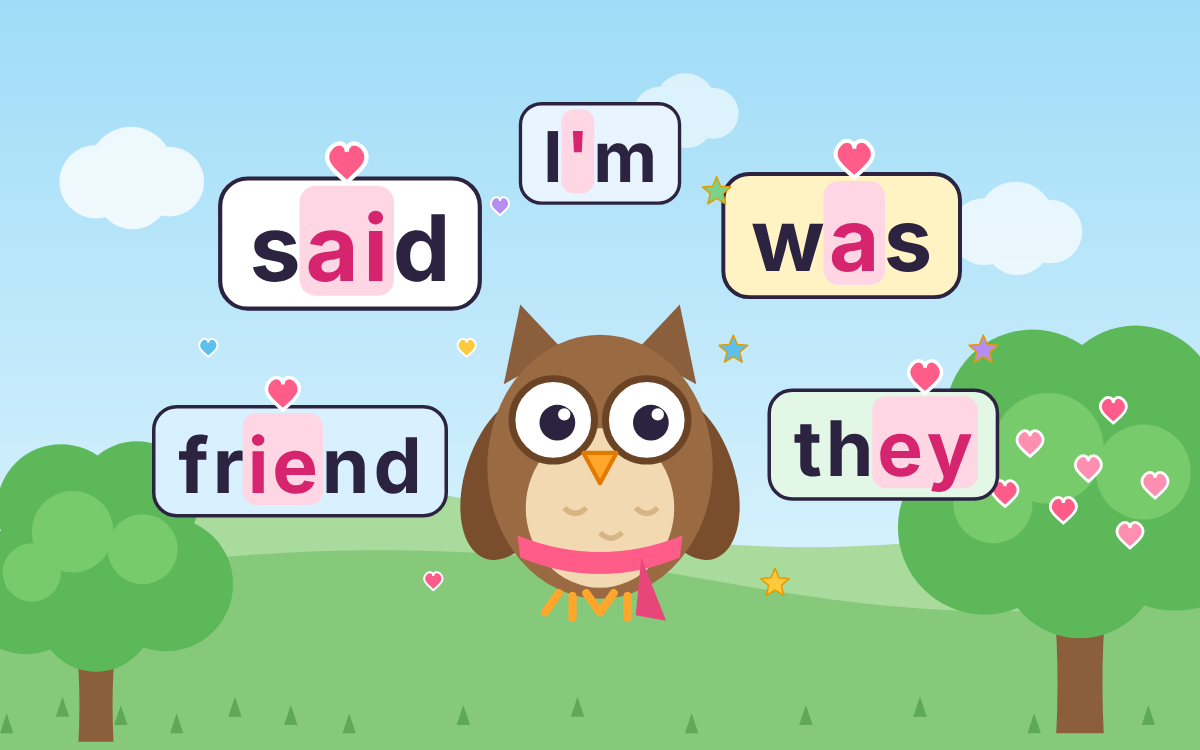
- Read Year 1 common exception words such as said, they and friend
- Find the tricky part of a word and say where it sits
- Spell tricky words by remembering the part that breaks the phonics rules
- Spell the seven days of the week, each with a capital letter
- Read I'm, I'll and we'll and know the apostrophe marks missing letters
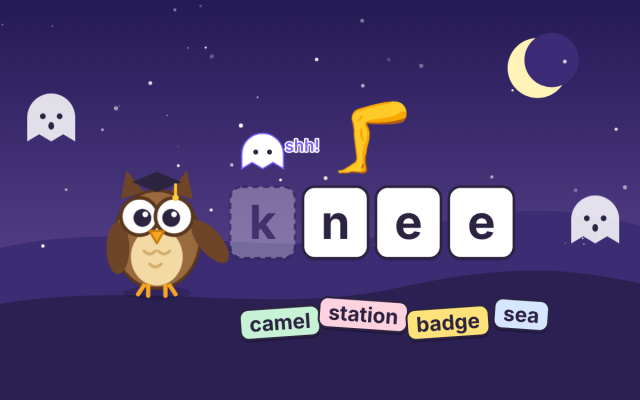
- Why Wednesday has a quiet d and where day names come from
Chapter by chapter
- Reading common exception words: spot the tricky part Free to try
Year 1 english · 1
- Common exception words: tricky parts at the start, middle or end
Year 1 english · 1
- Spelling common exception words
Year 1 english · 2
- Days of the week: reading and spelling Monday to Sunday
Year 1 english · 3
- Contractions: I'm, I'll, we'll and the apostrophe for missing letters
Year 1 english · 4
- Tricky words challenge (10 questions)
What the chapters cover in the national curriculum in England:
- Year 1 english: Read common exception words, noting unusual correspondences between spelling and sound and where these occur in the word
- Year 1 english: Spell: common exception words
- Year 1 english: Spell: the days of the week
- Year 1 english: Read words with contractions, and understand that the apostrophe represents the omitted letter(s)
About this adventure
Year 1 Tricky Words is an interactive game that teaches children aged 5–7 to read and spell the Year 1 common exception words and the days of the week, and to read contractions such as I'm and we'll.
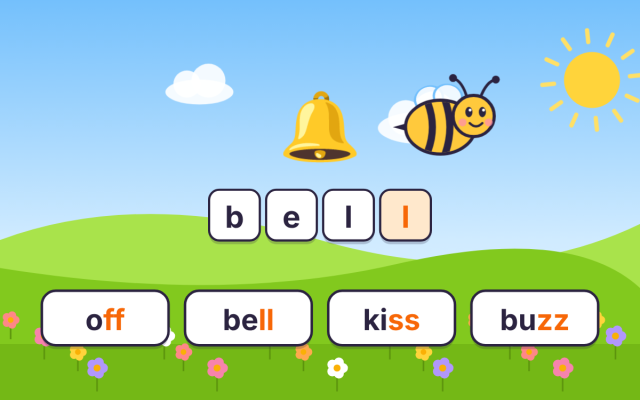
Common exception words, often called tricky words, have a part that doesn't follow the usual phonics, such as the ai in said. Hoot the owl guides children round a village where they put a heart on that part, sort words that are tricky in the same way and build spellings from letter tiles. A Heart Word Wall holds all 45 Year 1 words.
On the Week Train children put the days in order and learn that each starts with a capital letter. At the Squeeze Machine they see an apostrophe drop in where letters were left out. Every instruction is read aloud.
Questions and answers
What are tricky words in Year 1?
Tricky words, also called common exception words, are everyday words with a part that doesn't follow the usual phonics rules, such as the a in was. Children in England learn to read and spell 45 of them in Year 1.
Why is said a tricky word?
Said is tricky because its a and i make a short e sound, as in bed, rather than the ai sound in rain. The s and d sound as expected, so children only need to learn that middle part by heart.
What does the apostrophe in I'm mean?
The apostrophe in I'm shows where a letter has been left out: I'm is short for I am, and the apostrophe sits where the a was. In I'll and we'll it stands for the missing w and i of will.
What age is this tricky words game for?
The game is made for children aged 5 to 7, matching Year 1 of the national curriculum in England, and it also works as revision early in Year 2. Spoken instructions mean children who are still learning to read can play.
How long does the tricky words game take and what is in it?
Playing everything takes about 40 minutes across five chapters and a 10-question challenge. There is also an optional sound-it-out warm-up, and children can start any chapter from the village map.
 TapLearn