Fact or Opinion: Sort Statements with Checko the Robot
Learn to tell a fact from an opinion, spot hidden opinion words and back up your views, by helping Checko the robot test statements in his lab.
Online game, chapter 1 free · Years 5 and 6 (KS2) · ages 9–11 · national curriculum in England · no adverts · plays on a phone, tablet or computer · no sign-up to start.
An online thinking skills game for Years 5 and 6 (KS2). It covers the national curriculum in England, Years 5–6 english: “Distinguish between statements of fact and opinion”, and 1 more statement listed under the chapters.
5 short chapters, about 30 minutes in all. Children can stop after any chapter.
Start playing for free. Plays in the browser on phones, tablets and computers: no app, no adverts.
Free for teachers: every chapter on the whiteboard with a free teacher account.
Last updated · Checked against the national curriculum in England by the TapLearn team
What you'll learn
A fact can be checked by measuring, counting, observing or looking it up
An opinion is what someone thinks, feels or believes
Judging words like best, amazing and should signal an opinion
A wrong fact is still a statement of fact, not an opinion
Why adverts and reviews mix facts with opinions
How to back up a view with 'because' and evidence
Chapter by chapter
Tell a fact from an opinion: can it be checked?Start playing for free
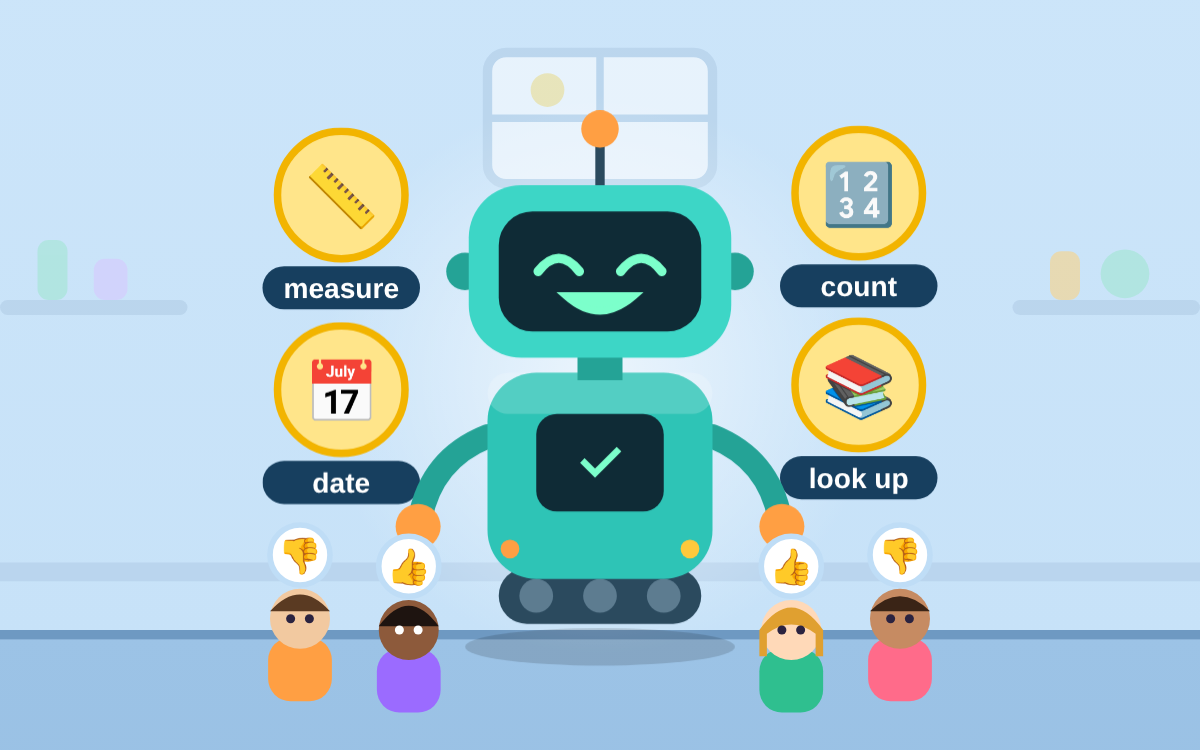
Learn that a statement of fact can be checked by measuring, counting, observing or looking it up, while an opinion is what someone thinks or feels, by choosing Checko's checking tools and sorting statements.
Years 5–6 english · 1
Spot opinion words, even without ‘I think’
Find the thinking, judging and telling words that give an opinion away, tell measurable words like fastest from judging words like best, and see why a number doesn't turn an opinion into a fact.
Years 5–6 english · 1
Sort tricky statements: wrong facts and mixed sentences
Discover that a wrong fact is still a statement of fact, tap the opinion hidden inside a sentence that also contains a fact, and swap an opinion for something checkable.
Years 5–6 english · 1
Find facts and opinions in leaflets, adverts and reviews
Tick fact or opinion for each sentence of a holiday leaflet and a book review, as in a reading test, and learn why adverts mix opinions with facts to persuade readers.
Years 5–6 english · 1
Back up your view with reasons and evidence
Give reasoned justifications for a view: build an 'I think… because…' answer, sort strong reasons from weak ones like 'everyone says so', and choose evidence from a story to support an opinion.
What the chapters cover in the national curriculum in England:
Years 5–6 english: Distinguish between statements of fact and opinion
Years 5–6 english: Provide reasoned justifications for their views
About this adventure
Fact or Opinion is an interactive game that teaches children aged 9–11 how to tell statements of fact from opinions, and how to back up their own views with reasons.
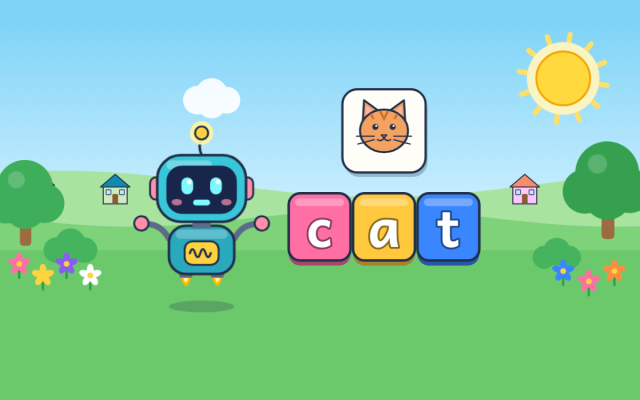
Players join Checko, a robot who can measure, count and look things up, but can't check what people think. They pick his checking tools, sort statements, tap the words that give an opinion away, crack tricky sentences and tick fact or opinion for each line of a leaflet and a book review.
Along the way they meet the key ideas: a fact can be checked, even when it turns out to be wrong; an opinion is what someone thinks, feels or believes; judging words such as best and should are clues; and a strong view uses 'because' plus evidence. A 10-question challenge checks everything at the end.
Questions and answers
What is the difference between a fact and an opinion?
A fact is a statement that can be checked, by measuring, counting, observing or looking it up in a trusted source. An opinion is what someone thinks, feels or believes, so people can agree or disagree with it, but nobody can prove it.
How can children spot an opinion when there's no 'I think'?
Look for judging words such as best, worst, beautiful or boring, and telling words such as should or must. 'Poison dart frogs are beautiful' is an opinion even without 'I think', because beautiful can't be measured or checked.
Is a fact that turns out to be wrong an opinion?
No. 'Spiders are insects' is still a statement of fact because it can be checked, and checking shows it is wrong: spiders are arachnids. Children often call wrong facts opinions, so the game practises this on purpose.
What age is the fact or opinion game for?
It is designed for children aged 9 to 11. Telling statements of fact from opinion is part of the national curriculum for English reading in Years 5 and 6, and the game practises the tick-box fact or opinion questions found in KS2 reading papers.
What does the game include and how long does it take?
It has five chapters, from Checko's checking tools and opinion words to real-style leaflets and reasoned answers, plus a 10-question challenge. Playing everything takes about 30 minutes, and each chapter can be played on its own.
We count visits to make TapLearn better.We use one cookie, only on this site, to see how families find and use it. No adverts, and nothing is shared.One cookie, only on this site. No adverts.How we measure



 TapLearn