What you'll learn
- When Queen Victoria reigned and why the 1800s are the 19th century
- How rich and poor Victorian children's lives contrasted
- What scavengers, trappers and climbing boys did, and the Acts that protected them
- How the Education Acts of 1870, 1880 and 1891 changed school
- Why the railways were a turning point, and other Victorian inventions
- How to describe change using trend, contrast, connection and continuity
Chapter by chapter
- When were the Victorians? Queen Victoria's reign on the timeline after 1066 Free to try
Years 3–6 history · 1 Years 3–6 history · 2
- Childhood in Victorian Britain: contrasts between rich and poor children
Years 3–6 history · 1 Years 3–6 history · 2
- Children at work: mills, mines, chimney sweeps and the laws that changed them
Years 3–6 history · 1 Years 3–6 history · 2
- Victorian schools: slates, the three Rs and the Education Acts of 1870, 1880 and 1891
Years 3–6 history · 1 Years 3–6 history · 2
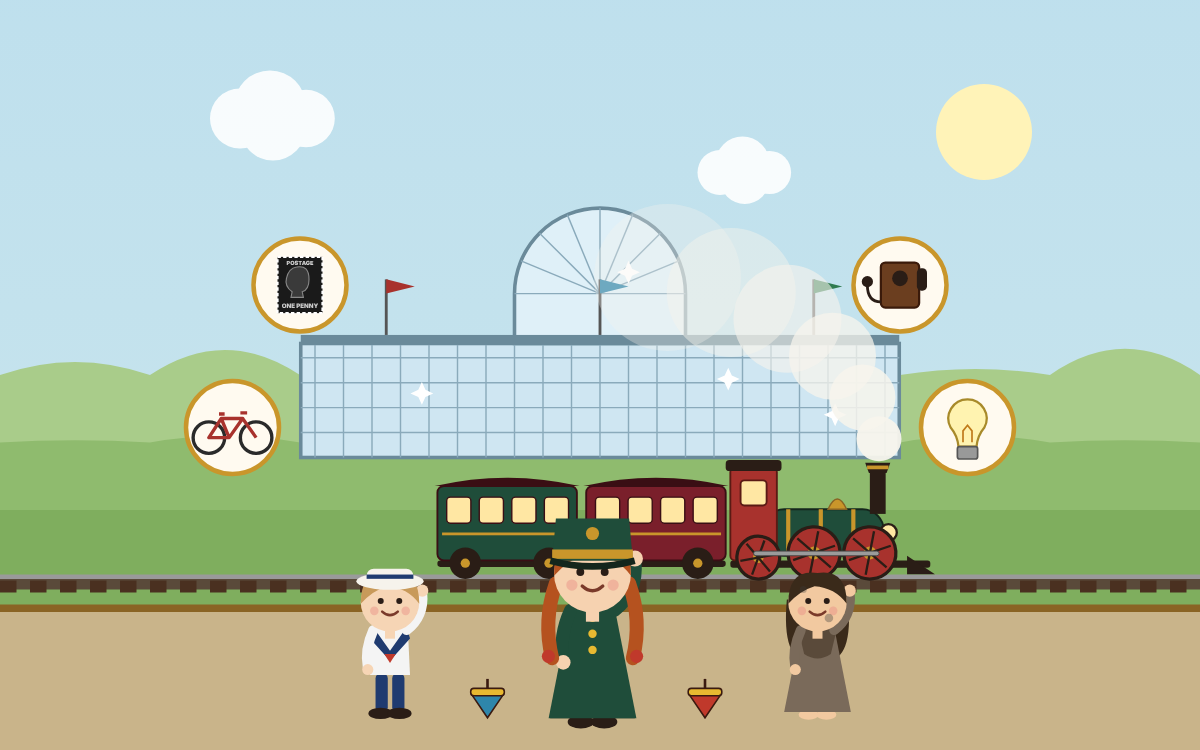
- New Victorian inventions: railways as a turning point, the Penny Black, the telephone and the light bulb
Years 3–6 history · 1 Years 3–6 history · 2
- Change over time: trends, contrasts, connections and continuity from 1837 to 1901
Years 3–6 history · 2 Years 3–6 history · 1
- The Grand Victorian Challenge (10 questions)
What the chapters cover in the national curriculum in England:
- Years 3–6 history: A study of an aspect or theme in British history that extends pupils' chronological knowledge beyond 1066. Examples (non-statutory): the changing power of monarchs using case studies such as John, Anne and Victoria; changes in an aspect of social history, such as crime and punishment from the Anglo-Saxons to the present or leisure and entertainment in the 20th Century; the legacy of Greek or Roman culture (art, architecture or literature) on later periods in British history, including the present day; a significant turning point in British history, for example, the first railways or the Battle of Britain
- Years 3–6 history: Note connections, contrasts and trends over time and develop the appropriate use of historical terms
About this adventure
Victorian Britain: the Time Train is an interactive history game for children aged 8–11 that teaches how childhood, work, school and inventions changed during Queen Victoria's reign, from 1837 to 1901. It follows the KS2 history theme that takes British history beyond 1066.
Guided by Ada, a train conductor, players place the Victorian era on a timeline, compare a rich and a poor child's home, and take on the jobs of a mill scavenger, a coal-mine trapper and a climbing boy. They see how reformers and new Acts of Parliament changed the law, write on a slate and lay railway track.
Children also practise the words historians use for change: a trend (a change that keeps going one way), a contrast (a big difference), a connection (one thing leading to another) and continuity (something that stays the same).
Questions and answers
When was the Victorian era?
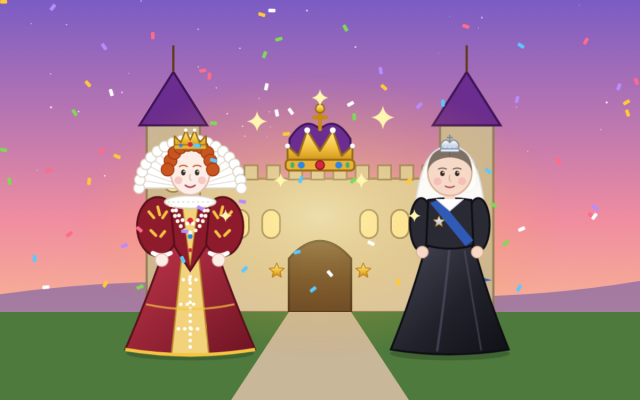
The Victorian era lasted from 1837 to 1901, the years Queen Victoria reigned over Britain. She became queen at 18 and ruled for 63 years, so the Victorians lived in the 19th century, more than 700 years after the Battle of Hastings in 1066.
What jobs did Victorian children do?
Many poor Victorian children worked in cotton mills, coal mines and chimneys, or sold matches and flowers in the street. Scavengers crawled under mill machines, trappers opened mine doors for coal carts, and climbing boys swept chimneys. New laws in 1833, 1842 and 1875 slowly made this work safer.
What was school like for Victorian children?
Victorian school was strict, with classes of 60 or more children learning the three Rs: reading, writing and arithmetic. Children wrote on slates. The Education Acts built board schools in 1870, made school compulsory for ages 5 to 10 in 1880 and made it free in 1891.
What age is this Victorians game for?
The game is made for children aged 8 to 11 and is pitched at Year 5, where the Victorians are usually taught in KS2 history. Younger children can play along with a grown-up, as every instruction is read aloud and shown on screen.
What is in the Victorian Time Train game and how long does it take?
The game has six chapters and a ten-question final challenge, and takes about an hour to play in full. Each chapter takes around ten minutes, so children can play one at a time and pick any chapter from the station map.
 TapLearn