Hot and Cold Places: Fly Pole to Pole with Bobby
Learn where the hot and cold places of the world are, from the North and South Poles to the Equator, by flying a hot-air balloon round the globe.
- Ages 5–7
- About 30 min
- Easy start
- Weather & Climate
Learn where the hot and cold places of the world are, from the North and South Poles to the Equator, by flying a hot-air balloon round the globe.
Years 1–2 geography · 1
Years 1–2 geography · 1
Years 1–2 geography · 1
Years 1–2 geography · 1
What the chapters cover in the national curriculum in England:
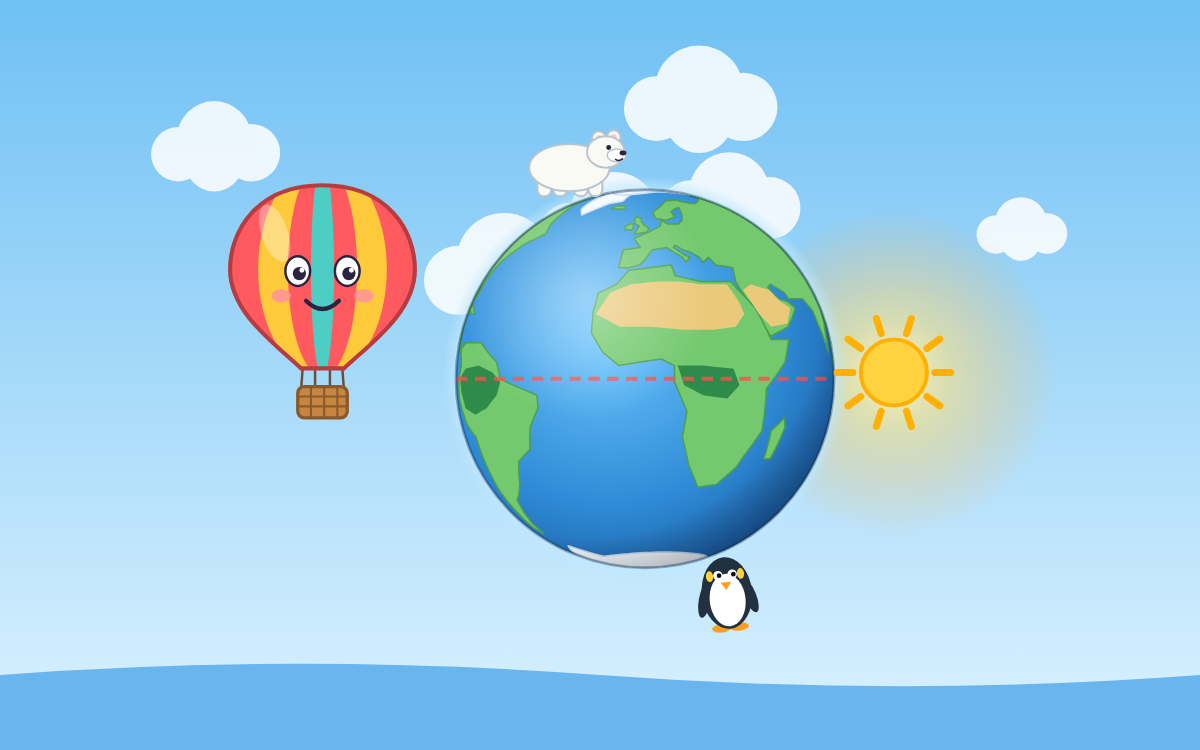
Hot and Cold Places is an interactive geography game that teaches children aged 5–7 where the hot and cold areas of the world are, in relation to the Equator and the North and South Poles. It follows the KS1 Geography curriculum and is pitched at Year 2.
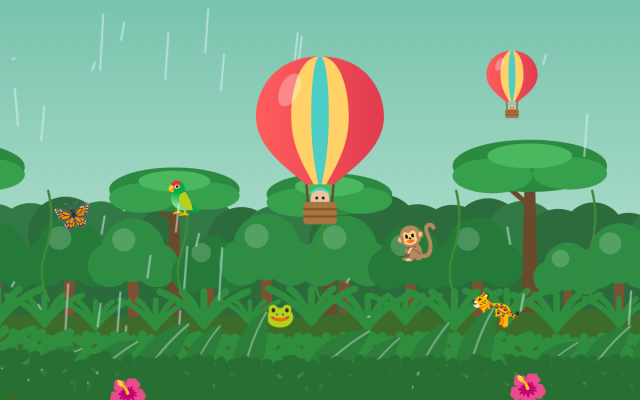
Guided by Bobby the Balloon, children spin a globe, plant flags at both Poles and draw the Equator, the imaginary line around the middle of the Earth. They watch a thermometer drop as they float from the Equator towards a Pole, colour a world map in hot and cold stripes, and decide whether mystery places are hot or cold.
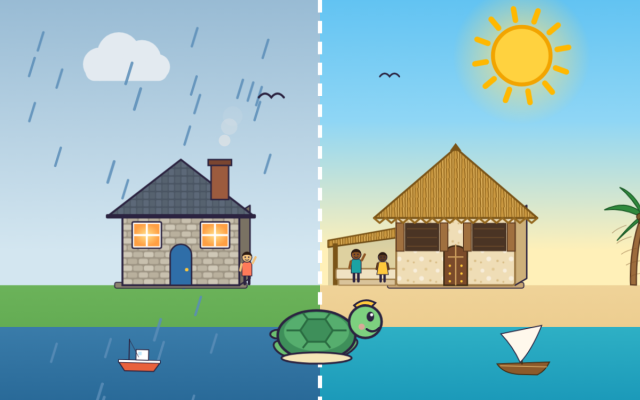
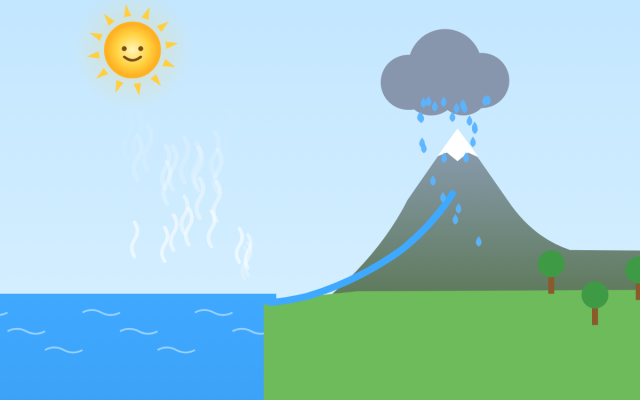
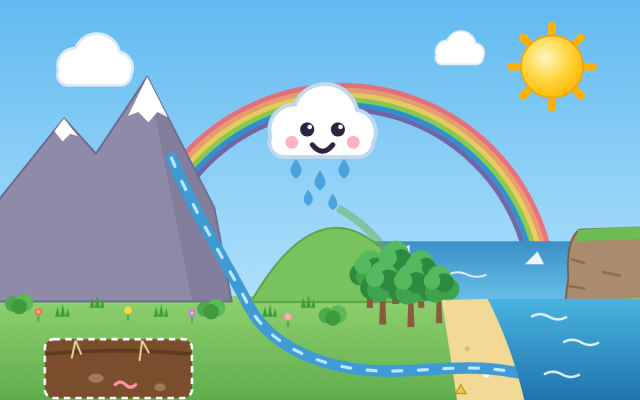
Back home, they explore the UK's four seasons and how the weather changes through a single day. Every instruction is spoken aloud with captions, so children who are still learning to read can play on their own.
It is hot at the Equator because the Sun shines high in the sky there, so its light is strong all year round. Near the North and South Poles the sunshine arrives low and weak, so those places stay cold.
The Equator is an imaginary line that goes all the way round the middle of the Earth, halfway between the North Pole and the South Pole. You cannot see it on the ground; it is only drawn on maps and globes.
No, polar bears and penguins live at opposite ends of the Earth and never meet in the wild. Polar bears live in the Arctic, around the North Pole, while penguins live in the southern half of the world, including Antarctica.
The game is made for children aged 5 to 7 and matches KS1 Geography in England, where hot and cold places are usually taught in Year 2. Instructions are spoken aloud with on-screen captions, so early readers can play independently.
The game has four short chapters on the Poles, the Equator, hot and cold areas of the world and UK weather, plus a 10-question challenge at the end. Playing everything takes about 30 minutes, and children can start any chapter from the chapter menu.
 TapLearn
Getting it ready…
Great work on chapter 1! To open the next chapters, ask a grown-up to take a look.
To play this game, ask a grown-up to take a look. There are lots of free games you can play right now too!
Create a free family account and your child can play every chapter of every game for 7 days, with no card needed. Their progress is kept. After that, the free plan is free for ever, and membership is £6.99 a month if you'd like to keep every chapter.
That's all the learning time for today. Great work! Flip will be ready to play again tomorrow.