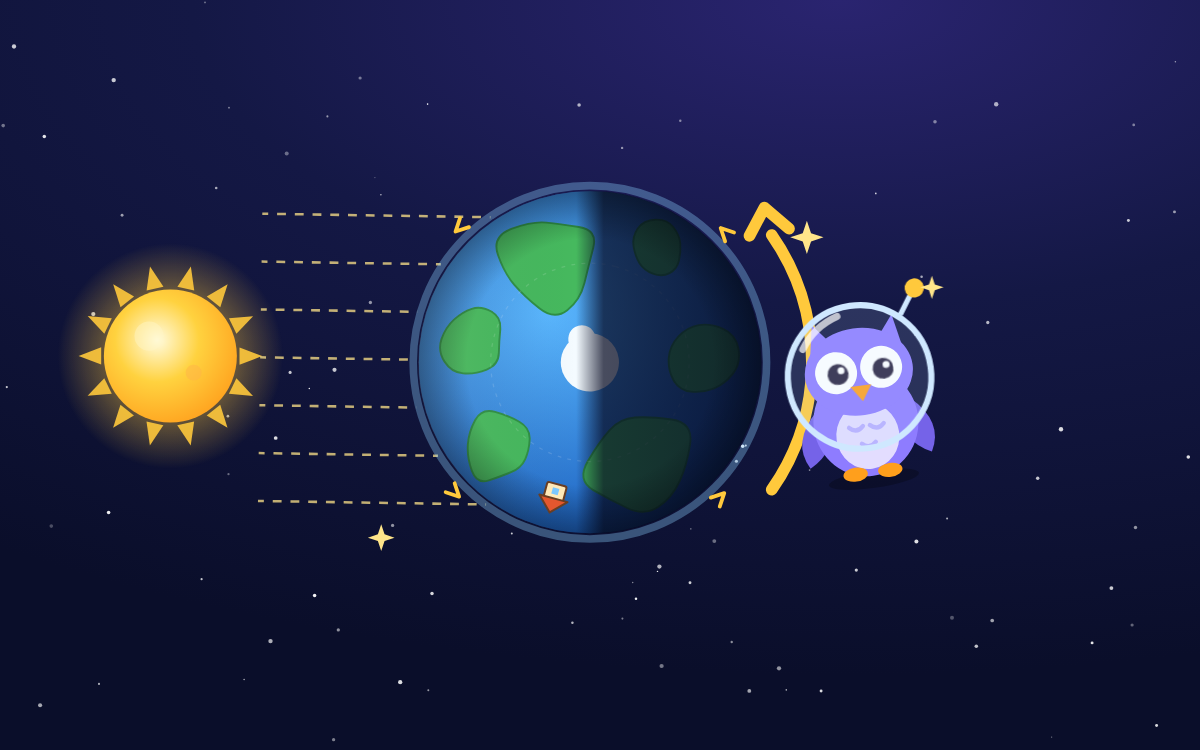
What you'll learn
- The Sun is a star at the centre of our solar system
- Earth and seven other planets orbit the Sun in a set order
- One orbit of the Sun takes the Earth about 365 days: one year
- The Earth rotates on its axis once every 24 hours, making one day
- Why Earth's rotation causes day on one half and night on the other
- Why the Sun seems to rise in the east, set in the west
Chapter by chapter
- The solar system: the Sun and the planets that orbit it Free to try
Year 5 science · 1
- Orbits and years: one orbit of the Sun is one year
Year 5 science · 1
- Rotation: one spin of the Earth on its axis is one day
Year 5 science · 2
- Day and night: how the Earth's rotation makes them
Year 5 science · 2
- Why the Sun appears to move across the sky
Year 5 science · 2 Year 5 science · 1
- Grand Space Challenge (10 questions) (10 questions)
What the chapters cover in the national curriculum in England:
- Year 5 science: Describe the movement of the Earth and other planets relative to the sun in the solar system
- Year 5 science: Use the idea of the Earth's rotation to explain day and night and the apparent movement of the sun across the sky
About this adventure
Earth and Sun is an interactive game that teaches children aged 8–11 how the Earth's spin makes day and night and how its orbit of the Sun makes a year. It follows the Year 5 Earth and space objectives in the national curriculum in England, with Nova the space owl reading every step aloud.
Players build the solar system, drag the Earth along its orbit while a day counter climbs to 365, and spin a globe on its axis as a 24-hour clock fills. Looking down on the North Pole, they turn a house in the UK from daylight into darkness and back.
A split screen puts the Earth seen from space beside the sky at home, so children watch the Sun stay still while the Earth's rotation makes it seem to rise in the east and set in the west. Typed answers and a 10-question challenge check understanding.
Questions and answers
Why do we have day and night?
We have day and night because the Earth spins on its axis once every 24 hours. The half of the Earth facing the Sun has daytime, while the half facing away has night, and the spin carries each place from one to the other.
Why does the Sun seem to move across the sky if it stays still?
The Sun only appears to move because the Earth is spinning from west to east. As our part of the Earth turns, the Sun seems to rise in the east, climb highest around midday and set in the west.
How long does it take the Earth to go around the Sun?
The Earth takes about 365 days, or one year, to orbit the Sun once. More exactly it takes about 365 and a quarter days, which is why an extra day, 29 February, is added every four years in a leap year.
What age is this Earth and Sun game for?
It is designed for children aged 8 to 11 and matches the Year 5 Earth and space objectives in the national curriculum in England. Younger children can enjoy it with an adult, as every line is read aloud.
What does the game include and how long does it take?
It has five stations, a 10-question final challenge and two optional warm-ups on shadows and compass points, taking about 45 minutes in total. Children can play the stations in any order and come back to them later.
More to explore
See all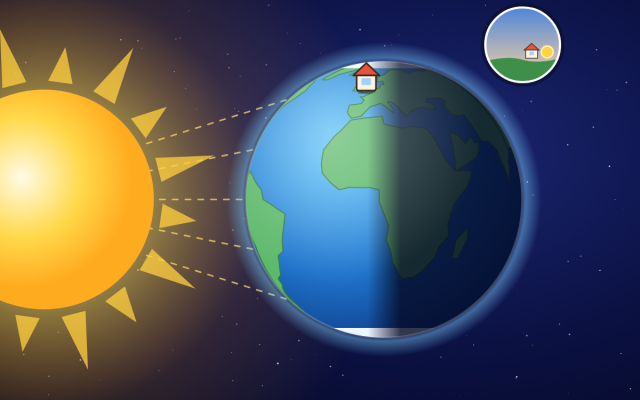
Day and Night: Spin the Earth to See Why the Sun Moves
Learn why we have day and night and why the Sun seems to cross the sky, by spinning the Earth and following o…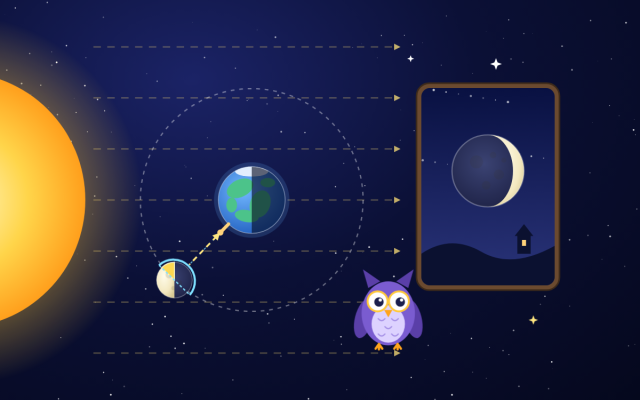
Phases of the Moon: A Moonwatch Adventure with Nova
Discover the phases of the Moon and why it seems to change shape: drag the Moon round the Earth, watch its su…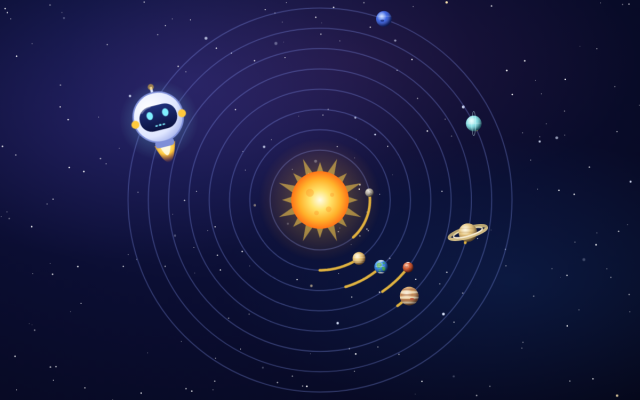
The Solar System: Ride the Earth Around the Sun
Learn how the Earth and planets move around the Sun and why the Sun, Earth and Moon are spheres by building t…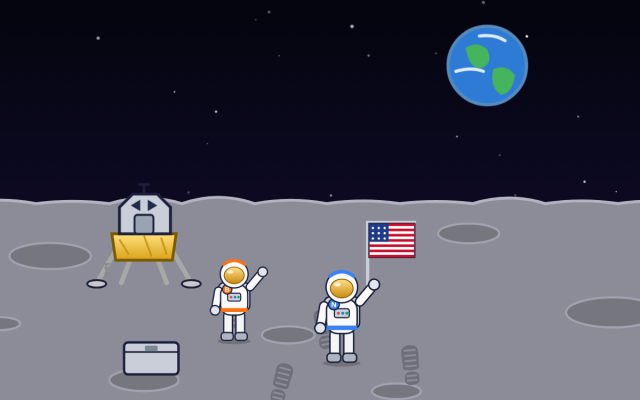
The Moon Landing: Blast Off with Apollo 11 and Columbus
Learn about the Moon landing in 1969 and the Apollo 11 crew, then sail with Columbus in 1492 and build a time…
Animal Life Cycles: Grow a Frog, Butterfly, Robin and Rabbit
Learn how animal life cycles work by helping a frog, butterfly, robin and rabbit grow, from egg or birth to a…
Skeletons and Muscles: Build a Body with Skelly
Learn how skeletons and muscles work together: build a skeleton, test how bones protect you, and make an arm…
The Heart and Circulatory System: Ride with Rosie
Learn how the heart and circulatory system work, then guide Rosie the red blood cell round the body, build yo…
 TapLearn