What you'll learn
- Why swapping things (barter) was so tricky
- Why people chose shells, salt and metal as money
- How the first coins and paper money worked
- How goldsmiths became the first banks
- Where new money comes from today
- Why prices go up over time (inflation)
- What happens when you pay with a card or phone
What's inside
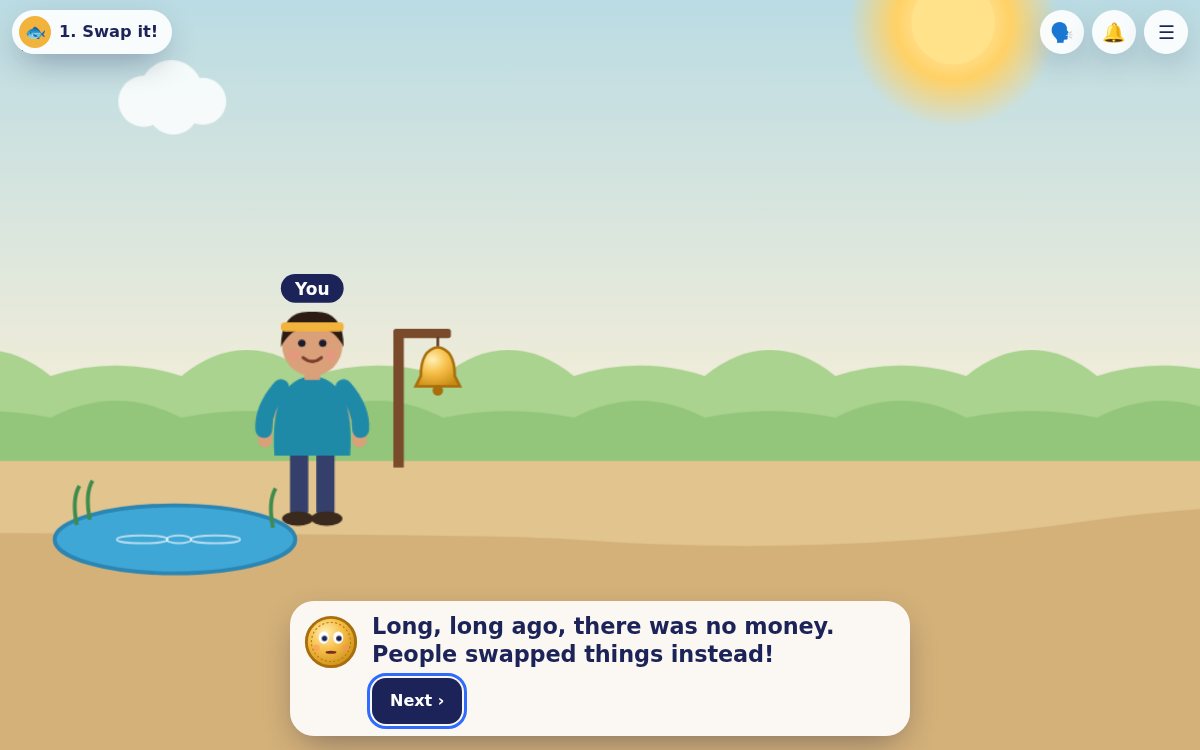
- Swap it! Free to try
- Things everyone wanted
- The first coins
- Paper money
- Goldsmiths become banks
- Money built on trust
- Where new money comes from
- Why prices go up
- Money goes digital
- Money Master quiz (8 questions)
About this adventure
How Money Works is an interactive game that teaches children aged 7 to 12 the history of money and how today's money system works.
Follow Penny the coin through ten short chapters. Swap goods at a market to see why barter is hard, press your own coins, watch goldsmiths become the first banks, and find out where new money comes from when banks lend.
Along the way you meet inflation (why prices go up) and digital payments (what happens when you tap a card), then test yourself in the 8-question Money Master quiz.
Questions and answers
Where did money come from?
Money began as a way round the problems of barter, where people swapped goods directly. Communities first used useful things such as shells, salt and metal, then the first coins appeared in Lydia about 2,600 years ago, followed by paper money and banks.
How do banks create new money?
Most new money is created when banks make loans. When a bank lends, it adds new money to the borrower's account, so the total amount of money in the economy grows. In the game you watch this happen step by step.
What is inflation, in simple words?
Inflation means prices slowly go up, so the same money buys a bit less than before. In the game you see it happen at a market stall when more money chases the same goods.
What age is How Money Works for?
It is made for children aged about 7 to 12. Younger children enjoy it with a grown-up reading along, and it works well on a classroom whiteboard.
How long does it take, and does it have sound?
About 20 minutes for all ten chapters, and you can stop and replay any chapter. A narrator reads every instruction aloud, with sound effects you can turn off.
More to explore
See all
Converting Units of Measure: Explore Measure Town with Milli
Learn converting units of measure, from km to m and hours to minutes, then estimate, compare and work out cha…
Year 4 Decimals: Chop, Count and Shop with Dot the Robot
Learn Year 4 decimals: tenths, hundredths, rounding and comparing. Chop a chocolate slab, roll cars down Roun…
UK Coins and Notes: Penny's Money Street Adventure
Learn to recognise UK coins and notes and what each one is worth, by sorting coins, paying in Penny's shop an…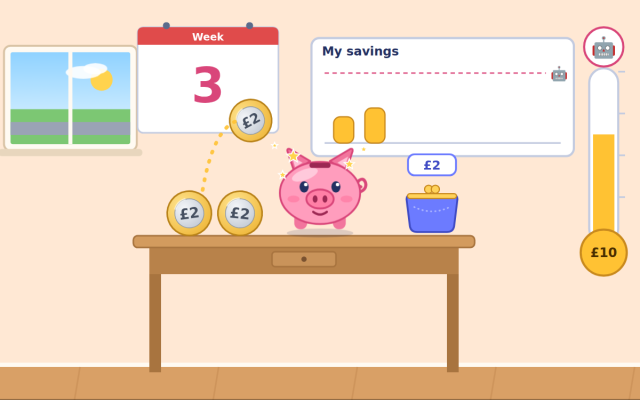
Saving Money: A Piggy Bank Adventure with Penny
Learn how saving money works: earn pocket money, choose a goal, make a weekly plan and watch your savings gro…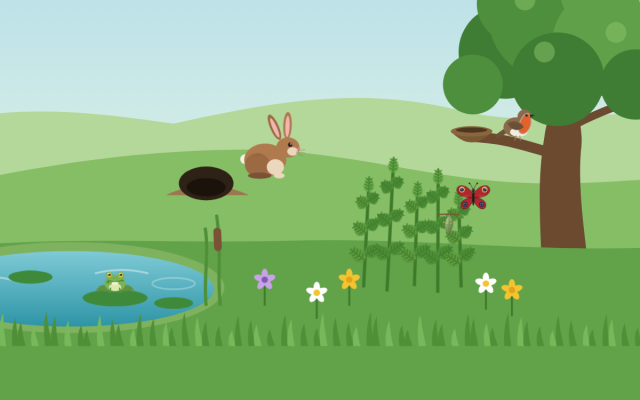
Animal Life Cycles: Grow a Frog, Butterfly, Robin and Rabbit
Learn how animal life cycles work by helping a frog, butterfly, robin and rabbit grow, from egg or birth to a…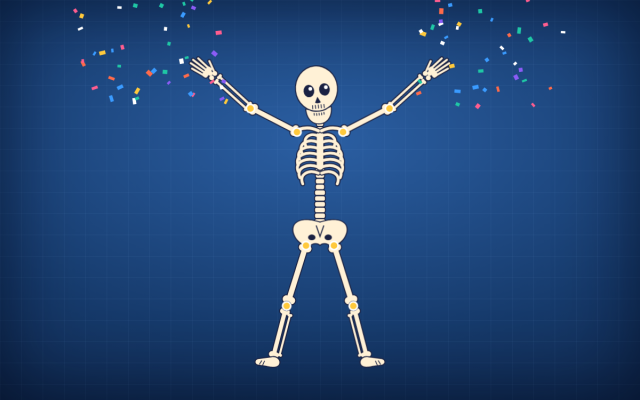
Skeletons and Muscles: Build a Body with Skelly
Learn how skeletons and muscles work together: build a skeleton, test how bones protect you, and make an arm…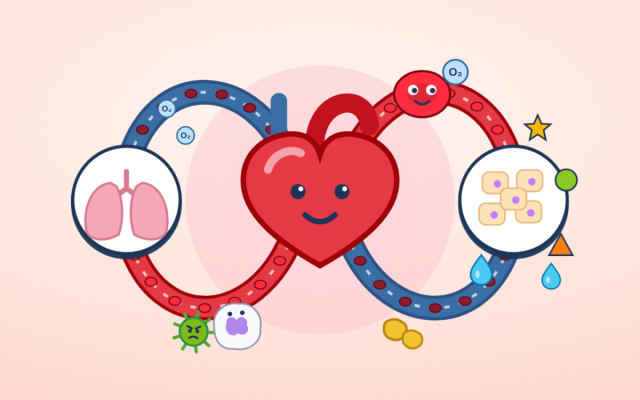
The Heart and Circulatory System: Ride with Rosie
Learn how the heart and circulatory system work, then guide Rosie the red blood cell round the body, build yo…
 TapLearn