Diet, Exercise and Lifestyle: Body Boost with Zing
Learn how diet, exercise, drugs and lifestyle affect the way your body works by balancing a plate, racing Sam round the park and planning a healthy day.
Online game, chapter 1 free · Year 6 (KS2) · ages 9–11 · national curriculum in England · no adverts · plays on a phone, tablet or computer · no sign-up to start.
An online science game for Year 6 (KS2). It covers the national curriculum in England, Year 6 science: “Recognise the impact of diet, exercise, drugs and lifestyle on the way their bodies function”.
5 short chapters, about 35 minutes in all. Children can stop after any chapter.
Start playing for free. Plays in the browser on phones, tablets and computers: no app, no adverts.
Free for teachers: every chapter on the whiteboard with a free teacher account.
Last updated · Checked against the national curriculum in England by the TapLearn team
What you'll learn
How to balance meals using the five Eatwell Guide food groups
How free sugar causes tooth decay, and how to count sugar cubes
Why fibre and calcium matter for your gut, bones and teeth
How exercise changes heart rate, breathing, muscles and bones
Why medicines are drugs, and the rules for using them safely
How much sleep children need and what the body does overnight
Chapter by chapter
Balancing your plate with the Eatwell GuideStart playing for free
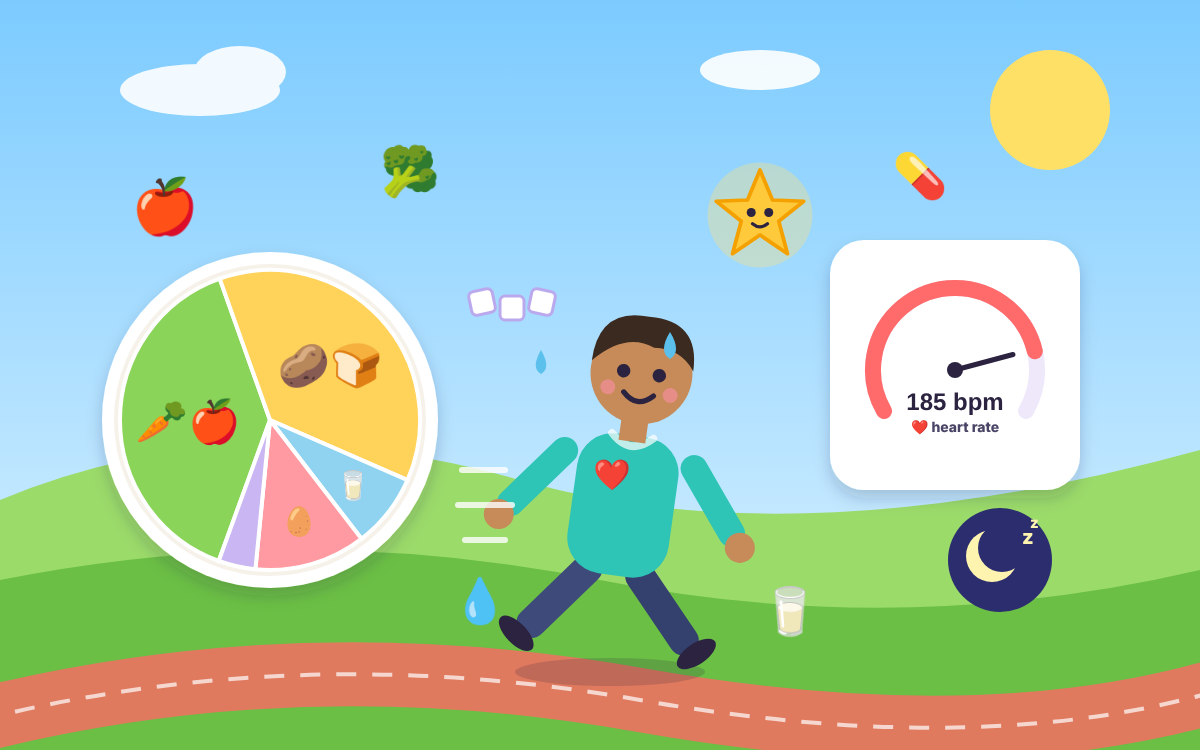
Learn the five Eatwell Guide food groups and how much of each makes a balanced diet, by sorting foods onto the plate, spotting the most balanced meal and filling the 6 to 8 daily drinks.
Year 6 science · 1
How sugar, fibre and calcium affect your body
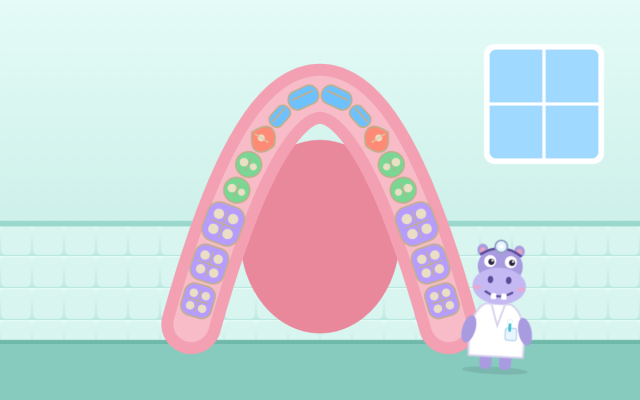
Discover how diet affects the body: count free sugar cubes, see how sugar causes tooth decay, watch fibre keep the gut moving, power up bones with calcium and balance energy in with energy used.
Year 6 science · 1
What exercise does to your heart, lungs, muscles and bones
Make Sam walk, jog and sprint to see heart rate, breathing and warmth change, read his pulse results, sort short-term from long-term effects of exercise and check his week against the 60-minute guideline.
Year 6 science · 1
Medicines and drugs: helpful or harmful?
Learn that a drug is any substance that changes how the body or mind works, sort a medicine cabinet, decide which medicine choices are safe, and find out about caffeine, legal and illegal drugs and who can help.
Year 6 science · 1
How sleep, screens and sitting still affect your body
Explore how lifestyle affects the body: set a bedtime that gives 9 to 12 hours of sleep, discover the body's night shift, see why screens before bed matter and plan a healthy day for Sam.
Year 6 science · 1
Body Boss challenge: diet, exercise and lifestyle (10 questions)
What the chapters cover in the national curriculum in England:
Year 6 science: Recognise the impact of diet, exercise, drugs and lifestyle on the way their bodies function
About this adventure
Diet, Exercise and Lifestyle: Body Boost is an interactive science game that teaches children aged 9–11 how food, physical activity, medicines and everyday habits change the way the body works, matching the Year 6 curriculum in England.
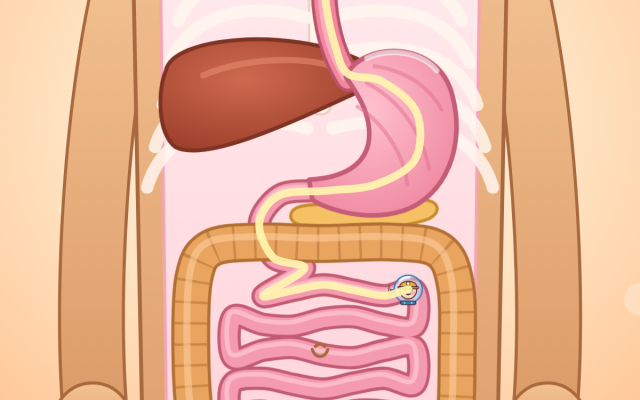
Guided by Zing, players sort foods onto the Eatwell Guide, count the free sugar cubes in drinks, watch fibre move food through the gut and power up bones with calcium. They make Sam walk, jog and sprint to see his heart rate and breathing rise, then read his pulse results and add up a week of active minutes.
Later chapters explain that a drug is any substance that changes how the body or mind works, so medicines are drugs too, and set out the rules for using them safely. Finally, players set a bedtime for 9 to 12 hours of sleep and plan a day that keeps every body meter in the green.
Questions and answers
How does exercise affect your body, in simple words?
Exercise makes your heart beat faster and your breathing quicken so your muscles get more oxygen, and you get warm and sweaty. If you are active often, your heart, muscles and bones get stronger, and it helps your mood and sleep too.
What is a balanced diet for children?
A balanced diet follows the Eatwell Guide: fruit and vegetables and starchy foods each make up just over a third of what you eat, with some protein and dairy, a little unsaturated oil and 6 to 8 drinks a day. Foods high in fat, salt or sugar are for less often.
How much sugar can a 10-year-old have a day?
Children aged 7 to 10 should have no more than 24 g of free sugars a day, about 6 sugar cubes, and from age 11 the limit is 30 g, about 7 cubes. Free sugars include sugar added to food and the sugar in juice, honey and syrups.
What age is this diet and exercise game for?
The game is written for children aged 9 to 11 and matches Year 6 science in England, where pupils learn how diet, exercise, drugs and lifestyle affect the way their bodies function. Younger children can enjoy it with a grown-up alongside.
What does Body Boost include and how long does it take?
There are five chapters, from balancing a plate to planning a healthy day, plus a ten-question final challenge. Playing everything takes about 35 minutes, and each chapter can be played on its own in five to ten minutes.
We count visits to make TapLearn better.We use one cookie, only on this site, to see how families find and use it. No adverts, and nothing is shared.One cookie, only on this site. No adverts.How we measure
 TapLearn