What you'll learn
- Where Darwin sailed on HMS Beagle and the clues he collected
- How fossils form and why deeper rock layers are usually older
- Why offspring are the same kind as their parents but not identical
- How adaptations help animals and plants survive in their habitats
- How variation and survival can lead to evolution over many generations
- Why an animal cannot grow new adaptations in its own lifetime
Chapter by chapter
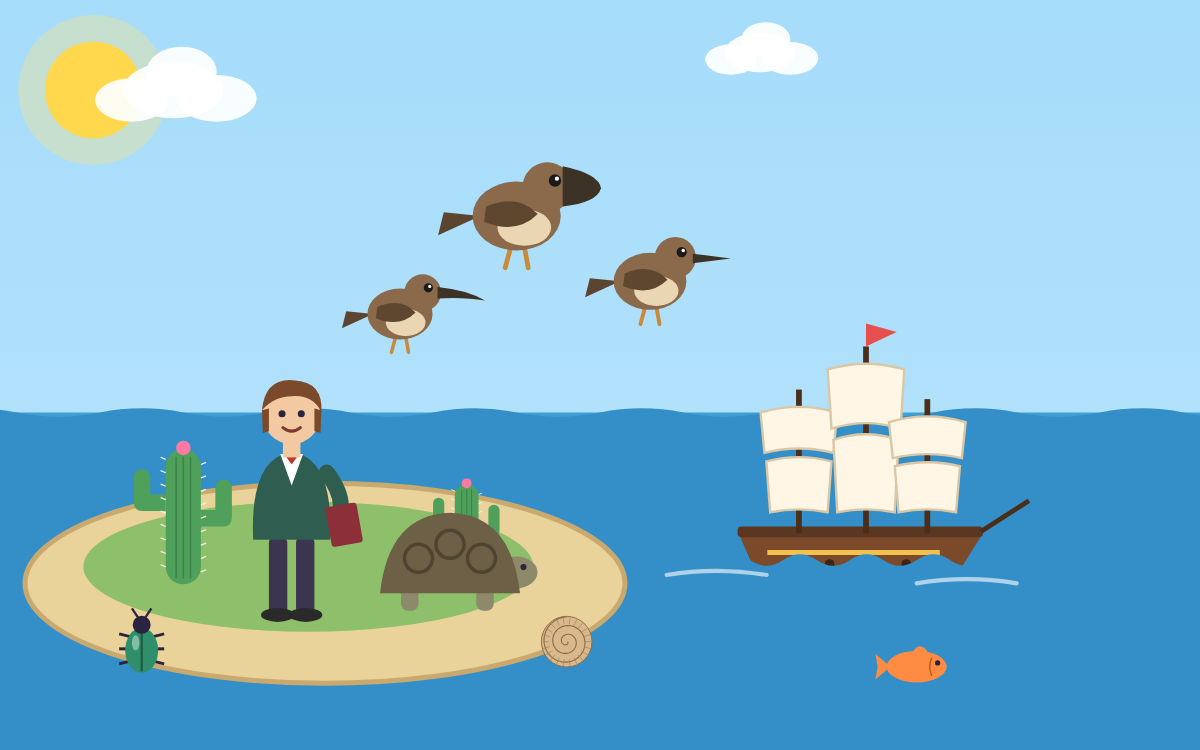
- Charles Darwin's voyage on HMS Beagle Free to try
Year 6 science · 1 Year 6 science · 2
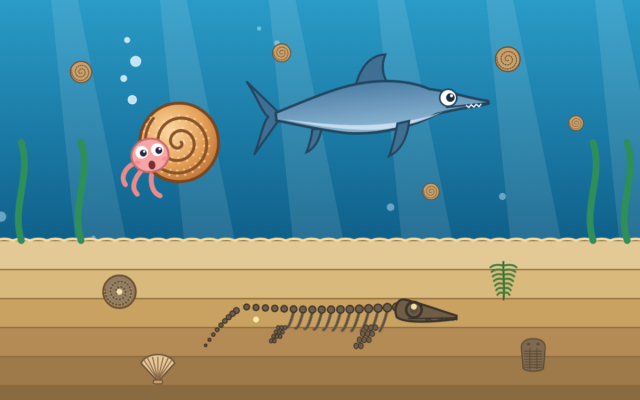
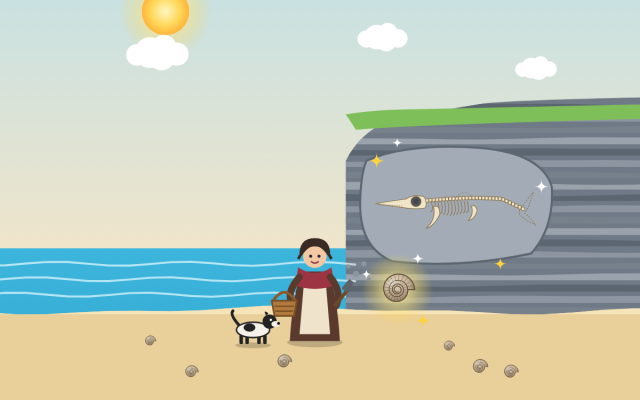
- Fossils: clues that living things have changed over time
Year 6 science · 1
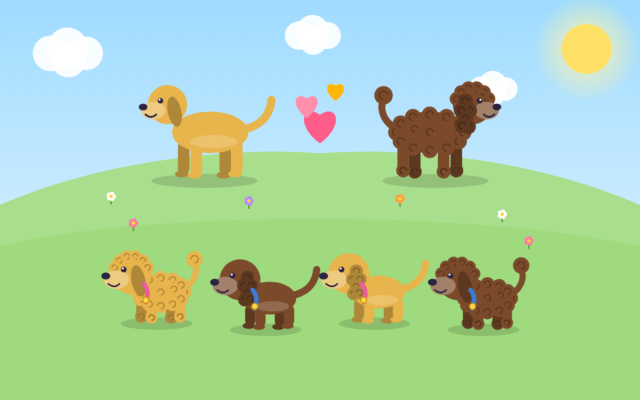
- Offspring: like their parents, but not identical
Year 6 science · 3
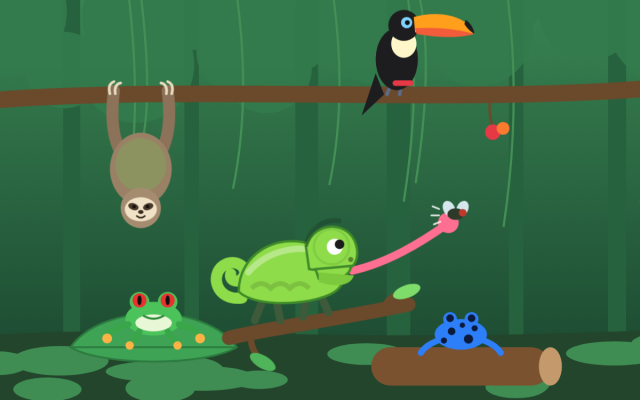
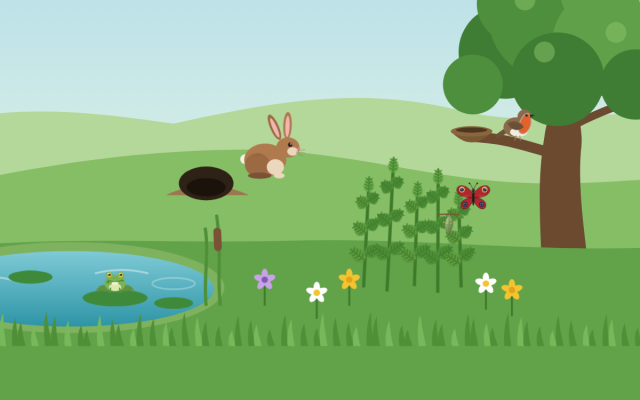
- Adaptation: how animals and plants suit their environment
Year 6 science · 2
- How adaptation may lead to evolution
Year 6 science · 2 Year 6 science · 3 Year 6 science · 1
- Darwin's big challenge quiz (10 questions)
What the chapters cover in the national curriculum in England:
- Year 6 science: Recognise that living things have changed over time and that fossils provide information about living things that inhabited the Earth millions of years ago
- Year 6 science: Identify how animals and plants are adapted to suit their environment in different ways and that adaptation may lead to evolution
- Year 6 science: Recognise that living things produce offspring of the same kind, but normally offspring vary and are not identical to their parents
About this adventure
Charles Darwin and Evolution is an interactive game that teaches children aged 9–11 how living things vary, adapt and evolve over time, following the Year 6 Evolution and inheritance curriculum. Fitz, a Galápagos finch, guides players through five narrated chapters full of animations and hands-on tasks.
Players sail HMS Beagle around the world, dig giant fossils out of a cliff and read rock layers from oldest to youngest. They compare parents with their offspring to spot variation and match adaptations to habitats, such as a camel's fat-storing hump or a cactus's spines. Then they run a drought on a finch island and watch big beaks become more common.
Along the way they meet key ideas such as natural selection, inheritance and extinction, and find out why a giraffe could never stretch its way to a longer neck.
Questions and answers
What is evolution in simple words?
Evolution is the slow change in living things over many generations. Because offspring vary, the ones best suited to their environment are more likely to survive and pass on their features. Over millions of years whole kinds of living things change, as fossils show.
What did Charles Darwin discover on the Galápagos Islands?
On the Galápagos Islands in 1835, Darwin collected finches and other animals that differed from island to island. The finches' beaks suited different foods, such as hard seeds or insects. Clues like these helped him develop his theory of evolution by natural selection, which he published in 1859.
Why are offspring not identical to their parents?
Offspring inherit a mix of features from both parents, so they are the same kind of living thing but usually vary from each other and from their parents. For example, puppies in one litter can have different coat colours and textures.
What age is this Charles Darwin game for?
The game is designed for children aged 9 to 11 and follows the Year 6 Evolution and inheritance topic in the national curriculum for England. Short optional refreshers on fossils and habitats help less confident players keep up.
What does the game include and how long does it take?
The game has five narrated chapters and a 10-question final quiz, and takes about 45 minutes to play all the way through. Children can pick any chapter from the map. Each chapter starts with an animated introduction and ends with a quick recap.
 TapLearn