Why Exercise Matters: Move It with Roo the Kangaroo
Discover why exercise matters for kids: make Roo sprint to see your heart race, fill a 60-minute activity ring and plan an active week.
Online game, chapter 1 free · Years 2 to 5 (KS1 and KS2) · ages 6–10 · national curriculum in England · no adverts · plays on a phone, tablet or computer · no sign-up to start.
An online healthy me game for Years 2 to 5 (KS1 and KS2). It covers the national curriculum in England, Years 1–6 relationships and health education: “The characteristics and mental and physical benefits of an active lifestyle”, and 3 more statements listed under the chapters.
5 short chapters, about 25 minutes in all. Children can stop after any chapter.
Start playing for free. Plays in the browser on phones, tablets and computers: no app, no adverts.
Free for teachers: every chapter on the whiteboard with a free teacher account.
Last updated · Checked against the national curriculum in England by the TapLearn team
What you'll learn
How the heart, breathing and body temperature change when you move
The talk test: moderate versus vigorous activity
How exercise strengthens the heart, muscles and bones
How endorphins and active days help mood and sleep
Aim for an average of at least 60 active minutes a day
When to stop and which trusted adults to tell
Chapter by chapter
What happens to your body when you moveStart playing for free
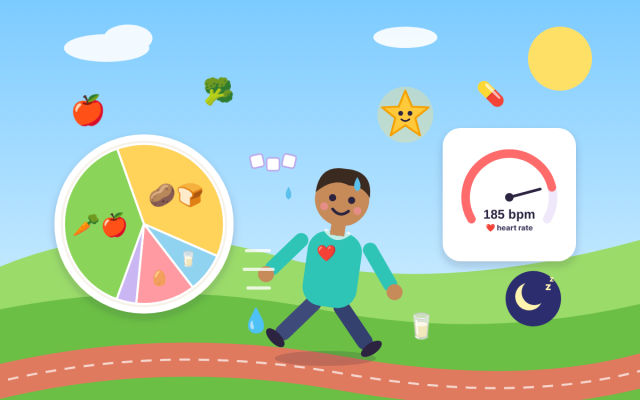
Learn the signs of an active body: a faster heartbeat, quicker breathing and feeling warmer. Children speed Roo up from rest to sprint, then use the talk test to sort moderate and vigorous activities.
Years 1–6 relationships and health education · 1
How moving helps body and mind (and why too much sitting doesn't)
Discover the physical and mental benefits of an active lifestyle for the heart, lungs, muscles, bones, brain, sleep and mood, and the risks of an inactive lifestyle, including obesity, through a body power-up and myth-busting.
Years 1–6 relationships and health education · 1Years 1–6 relationships and health education · 2
How much activity you need each day
Find out that children should aim for an average of at least 60 active minutes a day, by filling an activity ring with short bursts and boosting the quiet days on a week chart.
Years 1–6 relationships and health education · 3
Ways to be active every day and every week
Build regular physical activity into daily and weekly routines, such as walking or scooting to school and dancing in advert breaks, then plan an active week that includes muscle and bone strengthening.
Years 1–6 relationships and health education · 3
When to stop and who to tell about your health
Learn to tell normal puffing from warning signs like chest pain or dizziness, and which adults in school and at home to speak to when worried about their health.
What the chapters cover in the national curriculum in England:
Years 1–6 relationships and health education: The characteristics and mental and physical benefits of an active lifestyle
Years 1–6 relationships and health education: The risks associated with an inactive lifestyle, including obesity
Years 1–6 relationships and health education: The importance of building regular physical activity into daily and weekly routines and how to achieve this; for example, walking or cycling to school, a daily active mile or other forms of regular, moderate and/or vigorous physical activity
Years 1–6 relationships and health education: How and when to seek support including which adults to speak to in school if they are worried about their health
About this adventure
Why Exercise Matters is an interactive game that teaches children aged 6 to 10 how being active helps the heart, muscles, bones, sleep and mood, and how much activity they need each day.
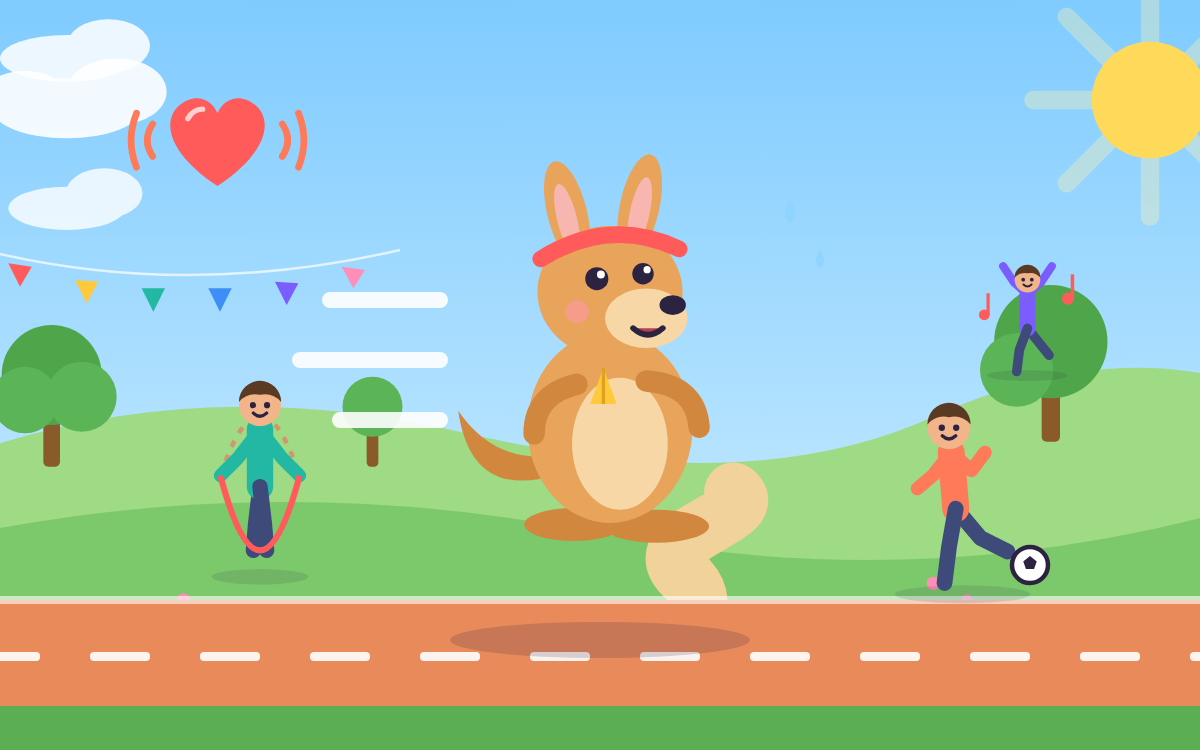
Players hop around Move-It Park with Roo. They speed Roo up from resting to sprinting and watch the heart rate, breathing and body temperature climb, then use the talk test to tell moderate activity (you can still chat) from vigorous activity (too puffed to chat). They power up a body diagram, bust myths, and see what too much sitting can do, including obesity.
They learn the UK Chief Medical Officers' guideline of an average of at least 60 active minutes a day, swap sitting for active travel and play, plan a week that includes muscle and bone strengthening, and practise telling normal puffing apart from warning signs that mean stop and tell a trusted adult.
Questions and answers
Why is exercise important for kids?
Exercise makes a child's heart, muscles and bones stronger, helps them sleep better and lifts their mood through feel-good chemicals called endorphins. Being active also helps children concentrate and keeps their body at a healthy weight.
How much exercise do children need each day?
UK Chief Medical Officers advise that children aged 5 to 18 aim for an average of at least 60 minutes of moderate to vigorous activity a day across the week. Short bursts such as walking to school, playtime games and PE all add up.
What happens to your body when you exercise, in simple words?
When you exercise, your heart beats faster to pump more blood to your muscles, you breathe faster to take in more air, and you feel warmer. These are normal signs that your body is working hard.
What age is the Why Exercise Matters game for?
The game is designed for children aged 6 to 10, covering Years 2 to 5 in England. It links to the statutory RSHE guidance on physical health and fitness, with short spoken instructions so younger players can follow along.
What does the game include and how long does it take?
The game has five chapters and a ten-question Champion Challenge, and takes about 25 minutes to play through. Children can start any chapter from the park map and come back to it at any time.
We count visits to make TapLearn better.We use one cookie, only on this site, to see how families find and use it. No adverts, and nothing is shared.One cookie, only on this site. No adverts.How we measure

 TapLearn