What you'll learn
- How to describe two amounts with 'for every' and the ratio symbol
- Why adding the same to both amounts changes a ratio
- How to find missing values by multiplying or dividing both amounts
- What a scale factor is and how to enlarge a shape
- How to find the scale factor between two similar shapes
- How to share an amount in a ratio using a bar model
Chapter by chapter
- Ratio language: 'for every' and the ratio symbol a : b Free to try
Year 6 maths · 1
- Missing values in ratios: scaling recipes with multiplication and division
Year 6 maths · 1
- Scale factors: enlarging shapes by multiplying every side
Year 6 maths · 2
- Similar shapes: finding scale factors and missing lengths
Year 6 maths · 2
- Ratio and fractions: unequal grouping with fractions and multiples
Year 6 maths · 3 Year 6 maths · 1
- Unequal sharing: sharing amounts in a ratio with a bar model
Year 6 maths · 3
- Captain's Challenge (10 questions) (10 questions)
What the chapters cover in the national curriculum in England:
- Year 6 maths: Solve problems involving the relative sizes of 2 quantities where missing values can be found by using integer multiplication and division facts
- Year 6 maths: Solve problems involving similar shapes where the scale factor is known or can be found
- Year 6 maths: Solve problems involving unequal sharing and grouping using knowledge of fractions and multiples
About this adventure
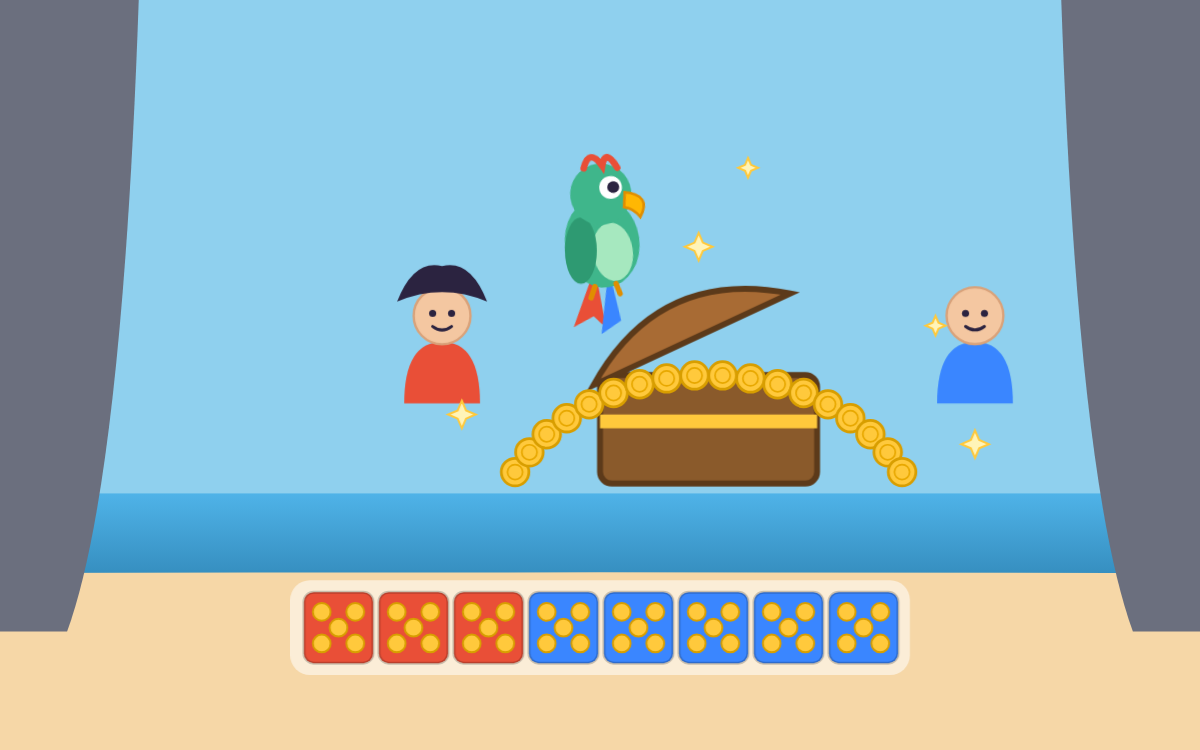
Ratio Island is an interactive ratio and proportion game that teaches children aged 9–11 how to compare amounts, find missing values, use scale factors with similar shapes and share amounts unequally, following the Year 6 maths curriculum in England. Pip the parrot reads every line aloud.
Players build pancake batches to see that a ratio such as 2 : 3 means 'for every 2 cups of flour, 3 eggs', then scale recipes in ratio tables by multiplying or dividing both amounts. They enlarge flags on a grid, where a scale factor multiplies every side, and divide matching sides to find how much bigger one similar shape is. Bar models help them link ratios to fractions and share treasure fairly.
Answers are typed on a number pad or chosen from options, with spoken hints when a child is stuck. Two optional warm-ups and a 10-question Captain's Challenge round it off.
Questions and answers
What is a ratio, in simple words?
A ratio compares two amounts and shows how many of one thing there are for every amount of another. For example, 2 cups of flour for every 3 eggs is written 2 : 3, and the order matters, so 3 : 2 would mean something different.
How do you share an amount in a given ratio?
Add the parts of the ratio to find how many equal boxes there are, divide the total by that number, then multiply for each share. To share 40 coins in the ratio 3 : 5, there are 8 boxes of 5 coins, so the shares are 15 and 25.
What is a scale factor?
A scale factor tells you how many times bigger every length of a shape becomes when it is enlarged. With scale factor 3, a rectangle 2 cm by 1 cm becomes 6 cm by 3 cm, and the two shapes are similar because every side was multiplied by the same number.
What age is this ratio and proportion game for?
The game is for children aged 9 to 11 and matches the Year 6 ratio and proportion objectives in the KS2 maths curriculum for England. Every line is read aloud and shown as a caption, so less confident readers can follow along.
What does the Ratio Island game include and how long does it take?
It includes six chapters with animated introductions, hands-on activities and typed or multiple-choice questions, two optional warm-ups on times tables and fractions, and a 10-question Captain's Challenge. Playing everything takes about an hour, and children can pick any chapter from the island map.
More to explore
See all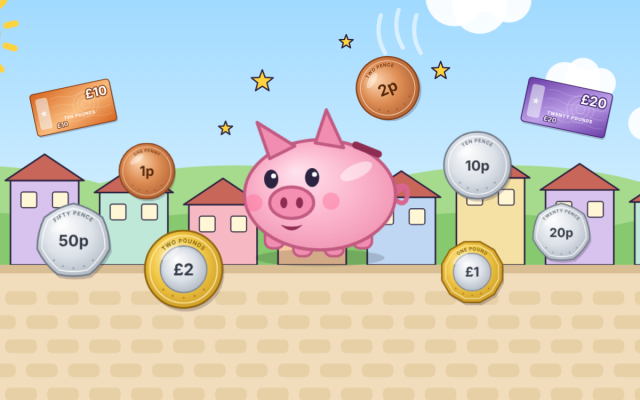
UK Coins and Notes: Penny's Money Street Adventure
Learn to recognise UK coins and notes and what each one is worth, by sorting coins, paying in Penny's shop an…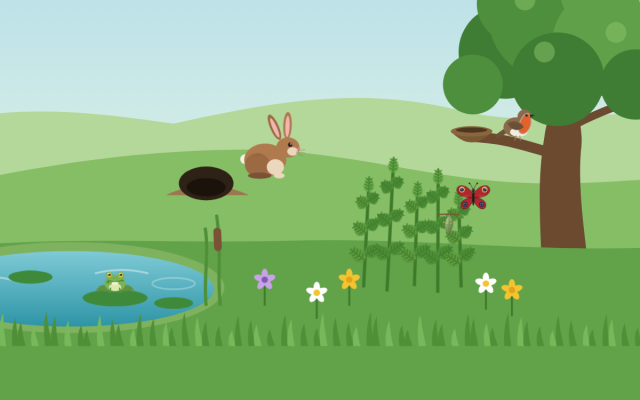
Animal Life Cycles: Grow a Frog, Butterfly, Robin and Rabbit
Learn how animal life cycles work by helping a frog, butterfly, robin and rabbit grow, from egg or birth to a…
Skeletons and Muscles: Build a Body with Skelly
Learn how skeletons and muscles work together: build a skeleton, test how bones protect you, and make an arm…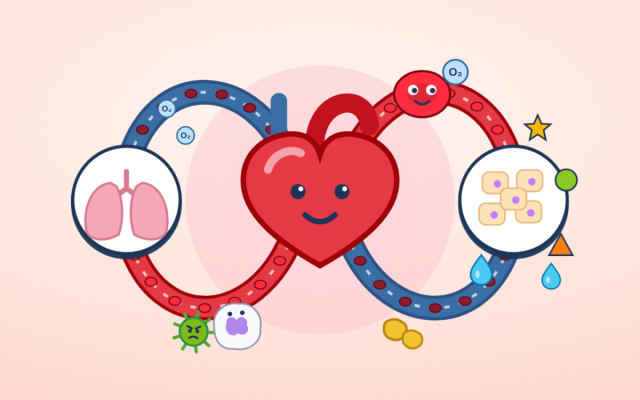
The Heart and Circulatory System: Ride with Rosie
Learn how the heart and circulatory system work, then guide Rosie the red blood cell round the body, build yo…
Adding and Subtracting: Hop Along with Hopper the Frog
Learn adding and subtracting with number bonds, number lines and columns, then tap, hop and exchange counters…
Letter Sounds and Blending: Read Words with Bip the Robot
Learn letter sounds and blending: match letters to sounds, hear first sounds and push sounds together to read…
Multiplication and Division: Share, Group and Grow a Garden
Learn multiplication and division with equal groups, sharing, grouping and arrays, then help Dotty the ladybi…
 TapLearn